Food & recipe
Is your idli batter failing to ferment due to the cold? These 8 simple, homegrown kitchen hacks will come in handy..
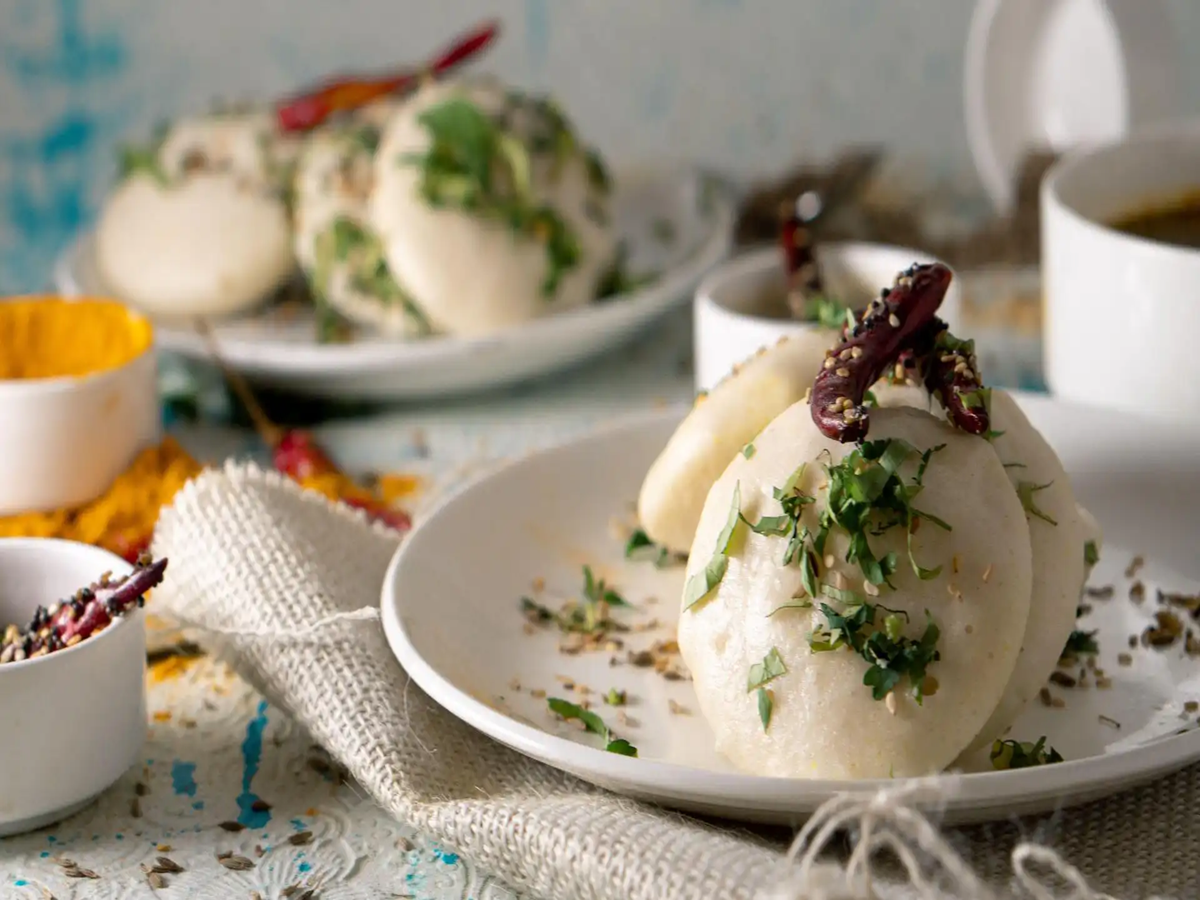
With the arrival of winter, several minor challenges tend to arise in our kitchens. One of the most common and frustrating issues is the failure of idli batter to ferment properly.
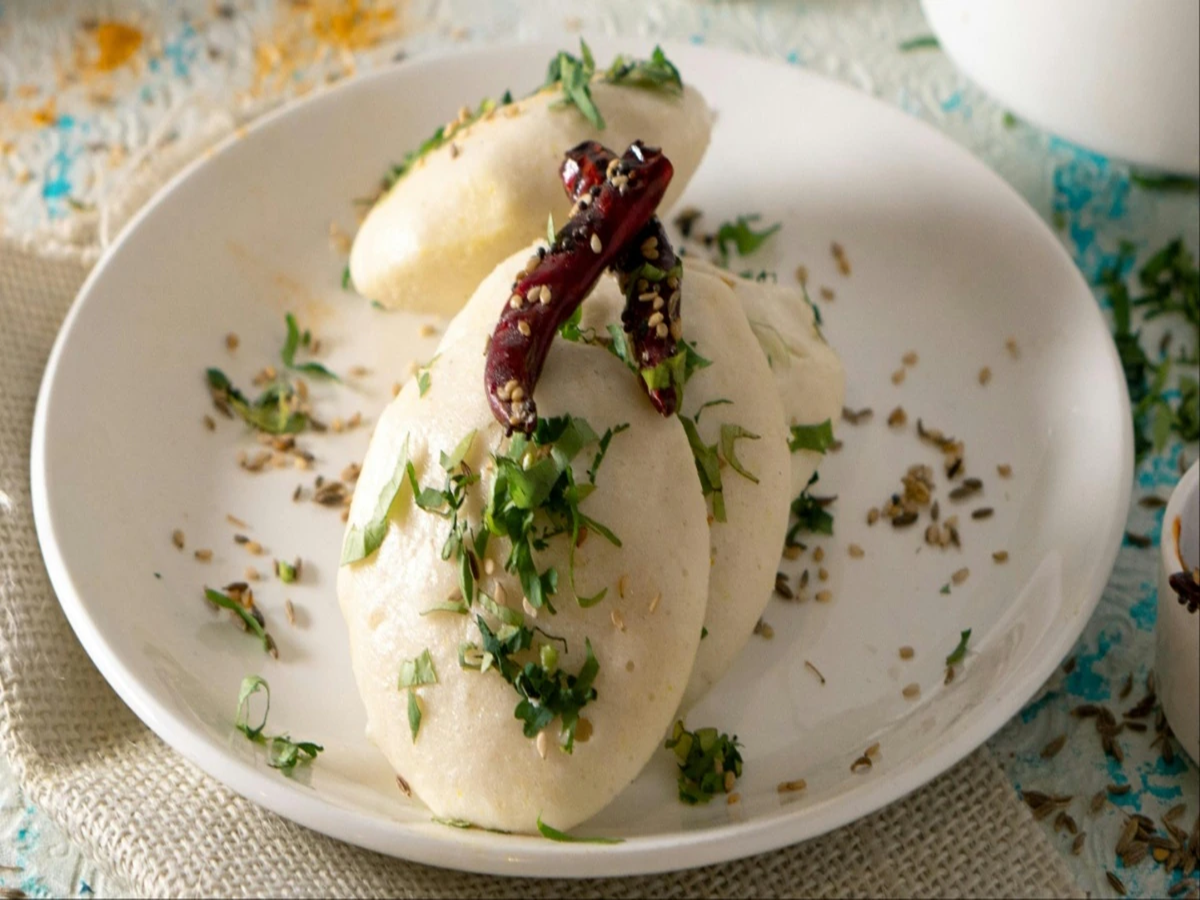
While the batter rises easily during the summer, the drop in temperature during winter significantly slows down the fermentation process. The beneficial bacteria responsible for fermentation require a bit of warmth to become active. Consequently, if fermentation doesn't occur correctly in winter, the resulting idlis turn out hard, heavy, and bland.
If you struggle with making idlis during the winter, there is no need to worry. Simply follow these easy and effective tips to prepare perfectly soft and spongy idlis at home.
Use lukewarm water
Avoid using very cold water when grinding the batter in winter. Instead, use slightly lukewarm water. This helps balance the temperature of the batter and accelerates the fermentation process. However, be careful to ensure the water is not too hot, as excessive heat could kill the beneficial bacteria needed for fermentation.
Place the batter in a warm spot.
During the colder months, store the batter in a warm corner of your kitchen. You could place it near the gas stove, on top of the refrigerator, or even inside a microwave or oven (with the light turned on). This consistent warmth helps the batter rise effectively.
Add a pinch of jaggery or sugar.
This tip works like magic! Simply add a pinch of jaggery or half a teaspoon of sugar to the batter. This provides an immediate boost to the bacteria, helping them become active quickly and speeding up the fermentation process. Best of all, this does not affect the taste of your idlis.
Grind fenugreek seeds (methi dana) with urad dal.
Fenugreek seeds are excellent for making idlis soft and light. Be sure to soak 1 to 2 teaspoons of fenugreek seeds along with the urad dal and grind them together. This naturally promotes fermentation.
Maintain the right ratio of dal to rice.
For perfect idlis, it is crucial to have the correct proportions of rice and urad dal. A ratio of 3:1 or 4:1 (rice to urad dal) is generally considered ideal. This ensures the batter has an excellent texture and rises well.
Allow for some airflow.
When setting the batter aside, do not use a completely airtight lid. Cover it loosely so that a little air can still circulate. This gentle airflow facilitates optimal fermentation.
Give the batter extra time.
Do not rush the process during the winter season. Due to the cold, fermentation can take anywhere from 10 to 14 hours. Therefore, allow sufficient time for the batter to ferment properly.
Add salt at the very end.
If it is very cold, add salt to the batter only after fermentation is complete. Salt can slow down the fermentation process, so it is wise to add it later.
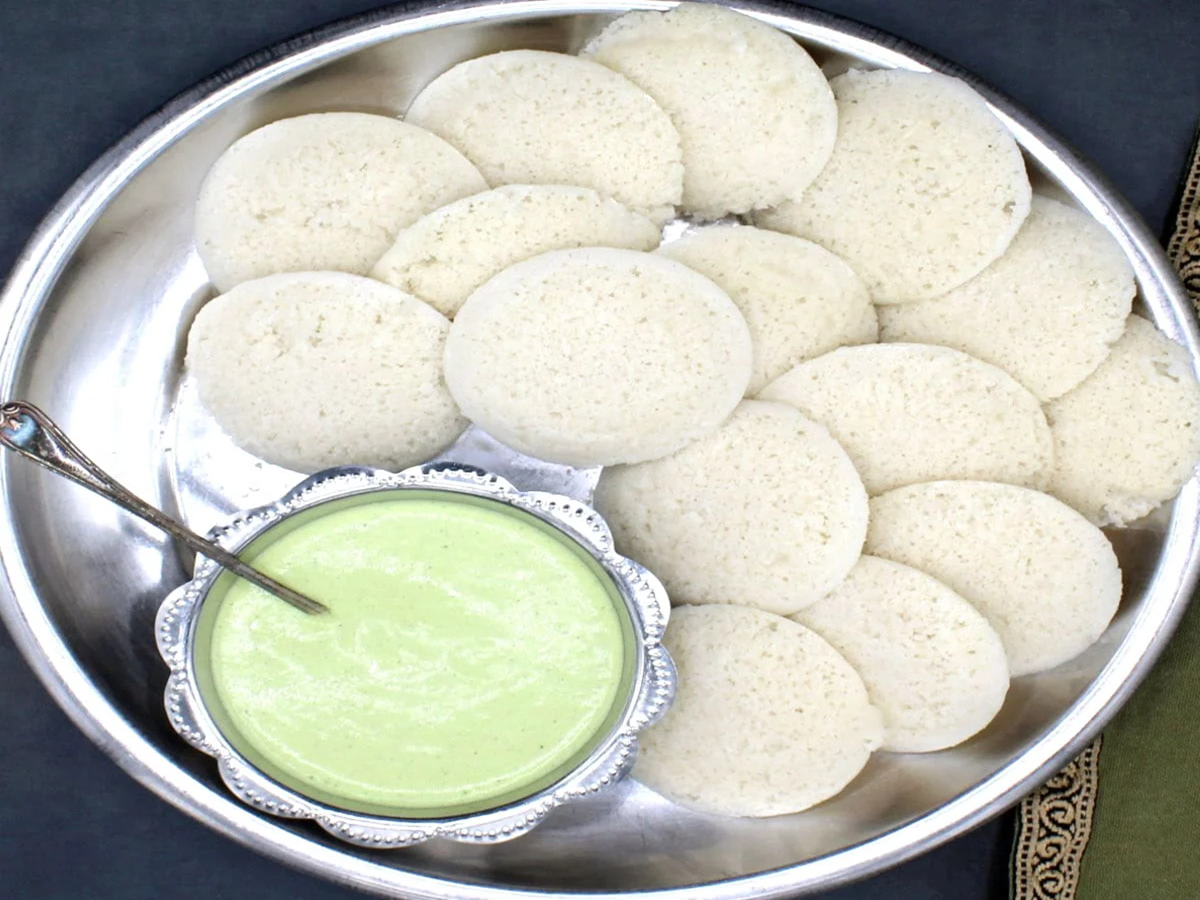
It is quite common for batter to fail to rise during winter, but with a little care and by using these specific techniques, you can ensure your idlis turn out perfectly soft, spongy, and delicious—even in the cold weather.
PC Social Media