LIFESTYLE
Jaundice spreads through contaminated water during the monsoon; here’s how to take care of your liver health..
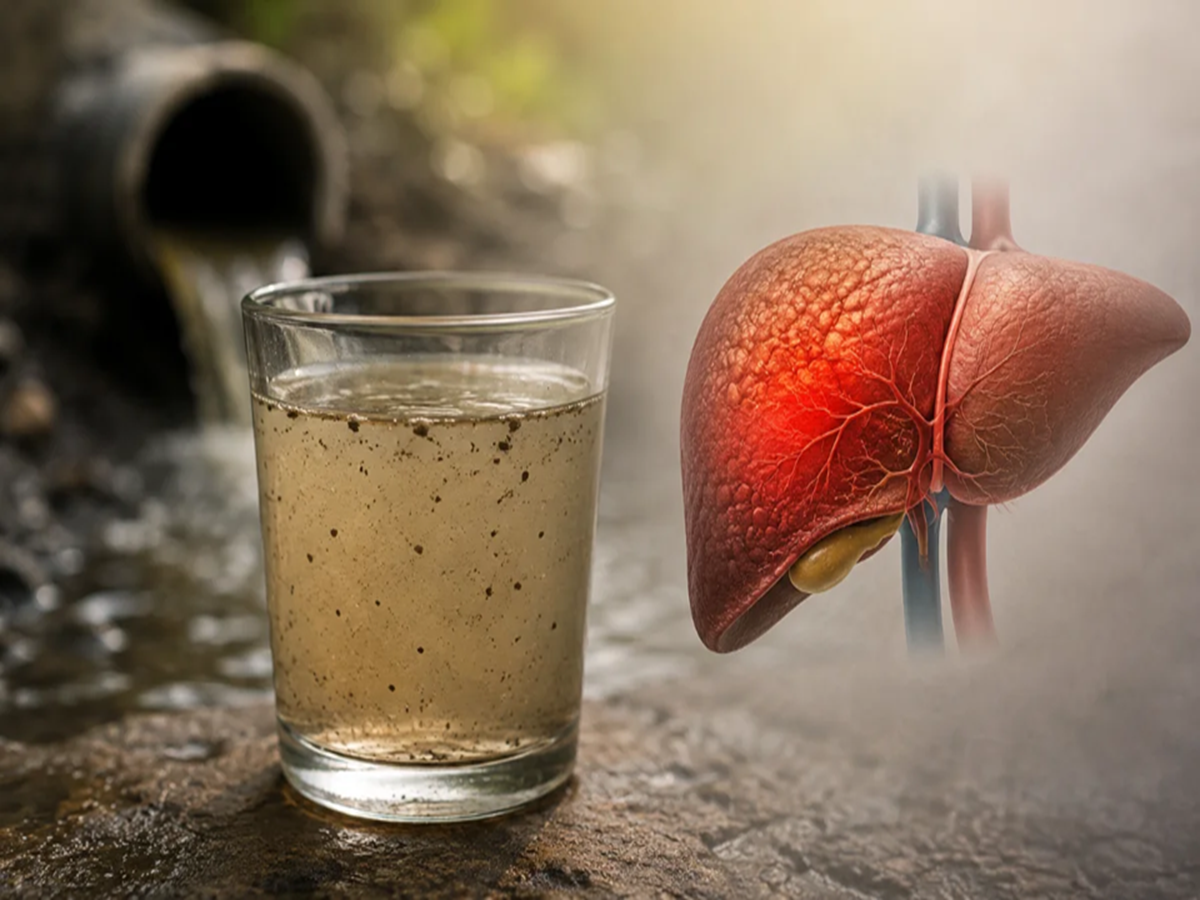
Monsoon Health Tips: While the arrival of the monsoon brings relief from the heat, it also invites various illnesses due to contaminated water and dietary negligence. Waterlogging, leaking sewer lines, and the contamination of drinking water pipelines increase the risk of infection during the rainy season. Consequently, people need to exercise extra caution regarding jaundice and liver-related issues. Notably, the Health Department has swung into action following reports of jaundice cases in the Shahzadpur area of Ambala. Meanwhile, civil hospitals are also seeing patients suffering from liver infections and jaundice during this period.
Speaking on this matter, Dr. Rajita, a homeopathic doctor at the Ambala City Civil Hospital, noted that contaminated water and poor hygiene are major causes of jaundice. During the monsoon, if sewage mixes with drinking water pipelines or the water supply becomes contaminated, the risk of infections like Hepatitis A and Hepatitis E rises significantly. Therefore, people should not be careless about their water consumption during the rainy season. She advised that even if a home has an RO system or water filter, boiling water before drinking is a safer practice; if there is any doubt about the quality of the incoming water supply, it is better to boil it rather than drink it directly.
Avoid street food and undercooked meals.
According to Dr. Rajita, viral and waterborne infections can spread rapidly during the monsoon. One should avoid food sold in the open, pre-cut fruits, and items prepared in unhygienic conditions. Vegetables and fruits purchased from the market should be washed thoroughly. She emphasized the importance of consuming well-cooked food, as undercooked meals or food stored for long periods can cause health problems. During this season, it is best to consume fresh, light, and home-cooked meals while avoiding fried and overly spicy foods. Key Symptoms of Jaundice:
Do Not Ignore Them
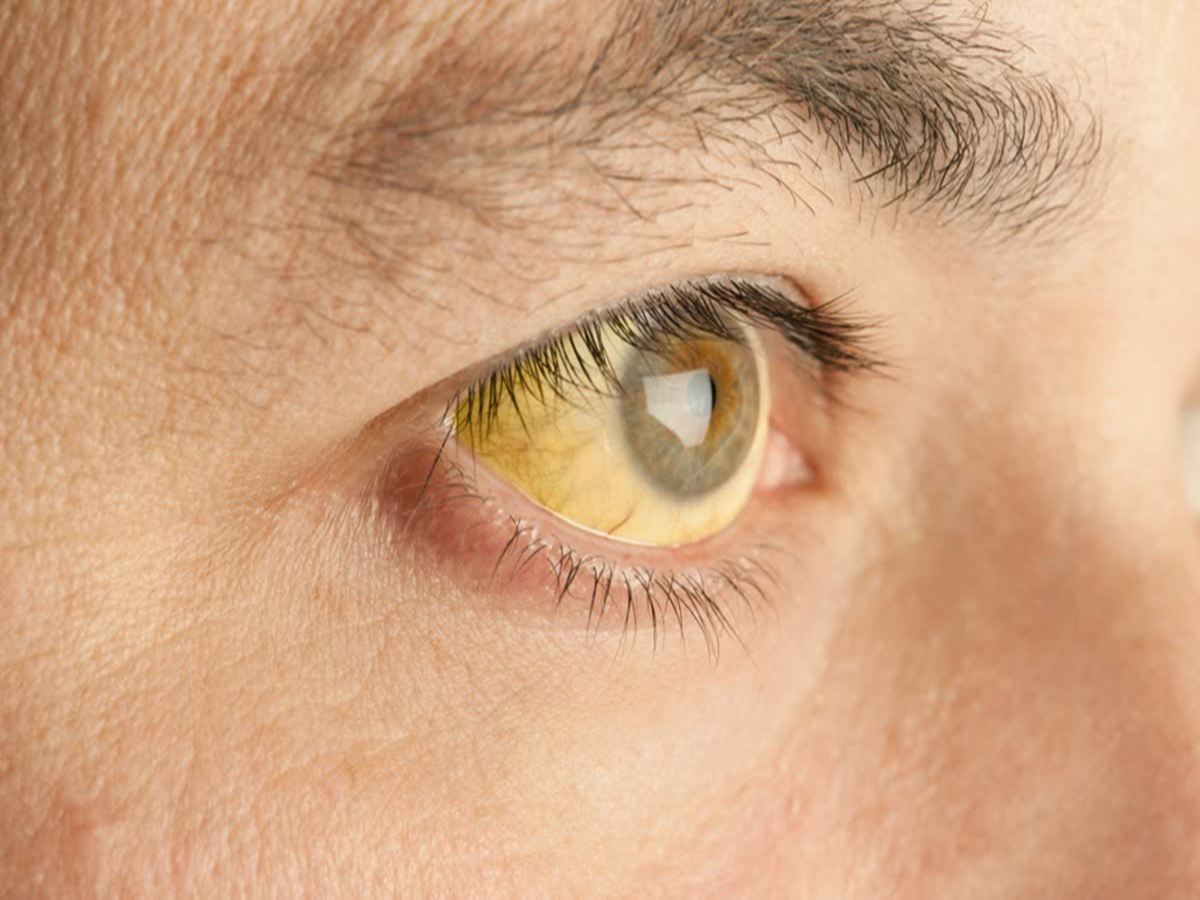
It is crucial to recognize the early symptoms of jaundice. Yellowing of the whites of the eyes and the skin are primary indicators. Additionally, symptoms can include urine that is darker than usual, loss of appetite, nausea, vomiting, fatigue, and weakness. Some patients may also experience mild pain in the upper right abdomen. If such symptoms appear, one should consult a doctor rather than relying on home remedies, as jaundice can stem from various causes, and treatment is determined based on the specific underlying cause.
Diet and Dietary Precautions for Jaundice
Dr. Rajita explained that during jaundice or a liver infection, the diet should be light and easily digestible. Foods such as *moong dal khichdi* (lentil and rice porridge), *daliya* (broken wheat porridge), light lentils, and fresh home-cooked meals are suitable. It is essential to consume adequate clean fluids to prevent dehydration; drinks like coconut water and plain lemonade are good options. However, sugarcane juice, raw vegetable juices, or home remedies should not be considered a cure for jaundice, as a lack of hygiene in commercially available drinks can increase the risk of infection.
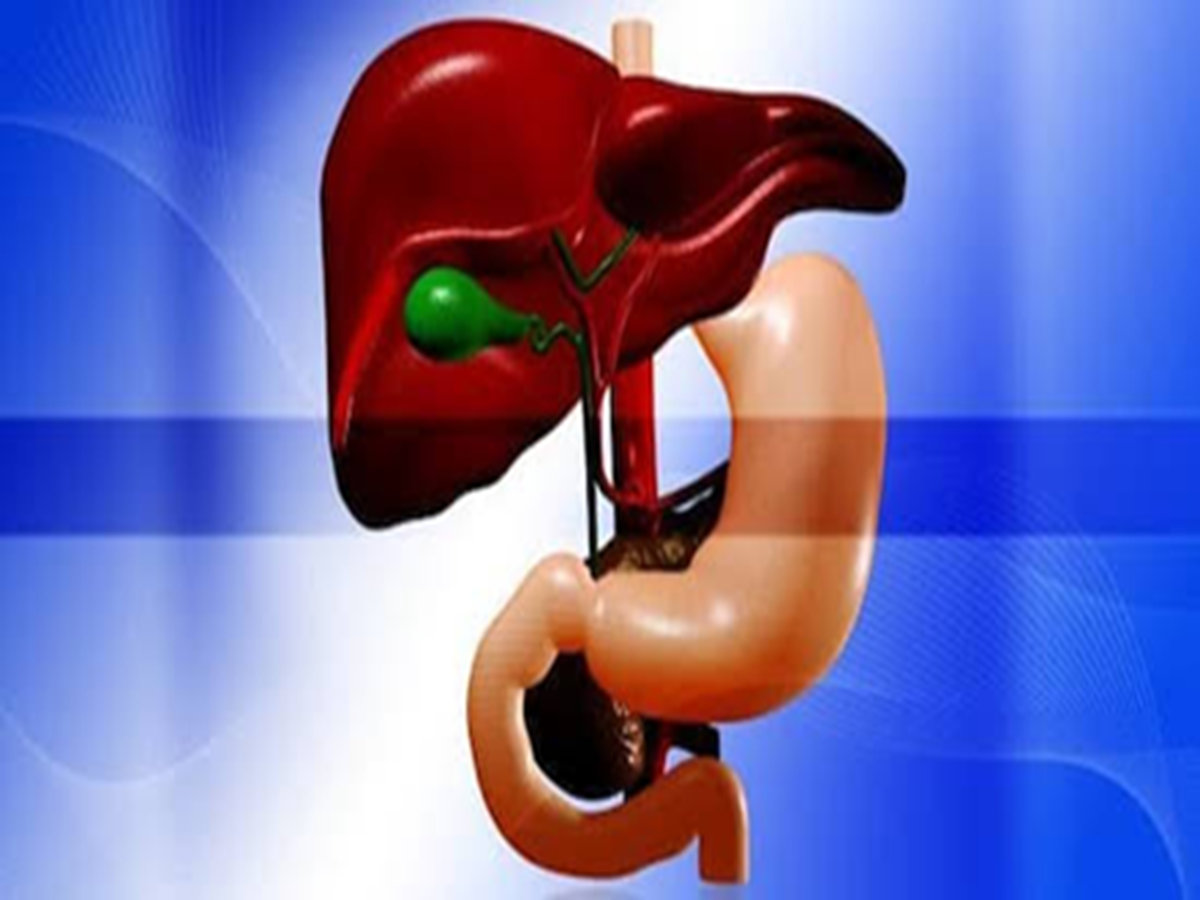
Prevention is the Best Cure: Doctor's Final Advice
She stated that the best way to prevent jaundice during the monsoon season is by ensuring access to clean water, hygienic food, and proper hand hygiene. Therefore, it is important to drink boiled water, avoid uncovered street food, thoroughly wash fruits and vegetables, and cook food completely. Furthermore, if yellowing of the eyes or skin is observed, or if urine remains persistently dark, one should seek medical advice immediately.
PC Social Media