LIFESTYLE
Jwala Gutta donated 30 liters of breast milk. What are the rules in India? Learn which women can donate..
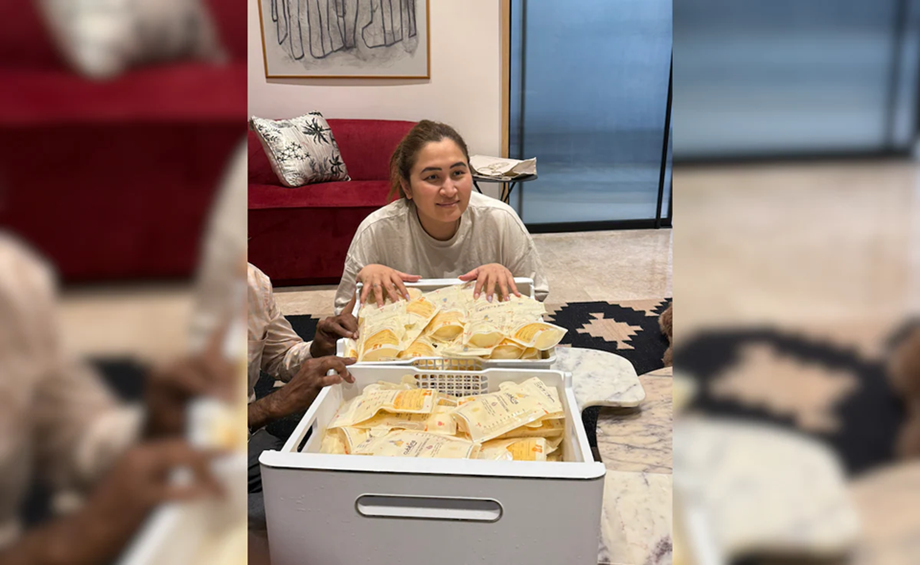
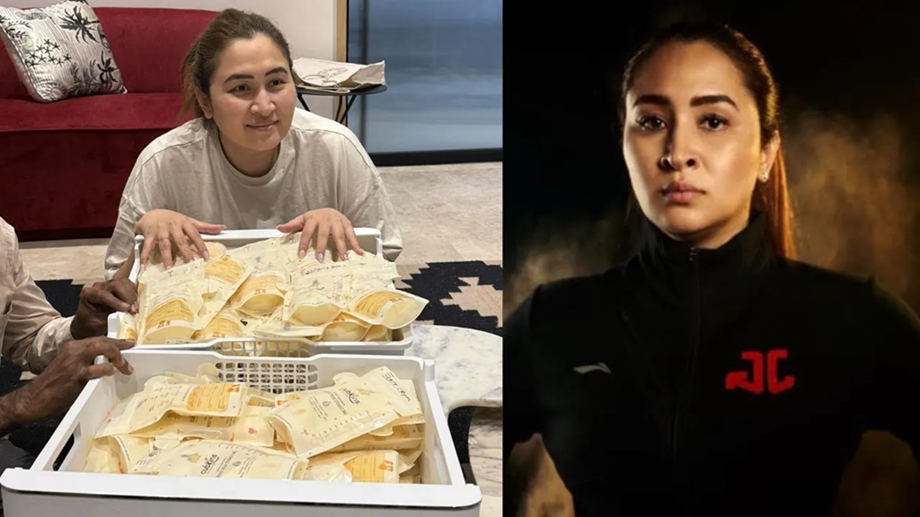
India's renowned badminton player, Jwala Gutta, is currently in the news. Recently, she has done something that has garnered widespread attention. Jwala has donated 30 liters of her breast milk. This information was shared by her husband, Vishnu Vishal, through a social media post. Jwala Gutta is a second-time mother, and this time, she has taken this step. She donated breast milk through the Amritam Foundation, which collects breast milk from mothers and distributes it to needy newborns.
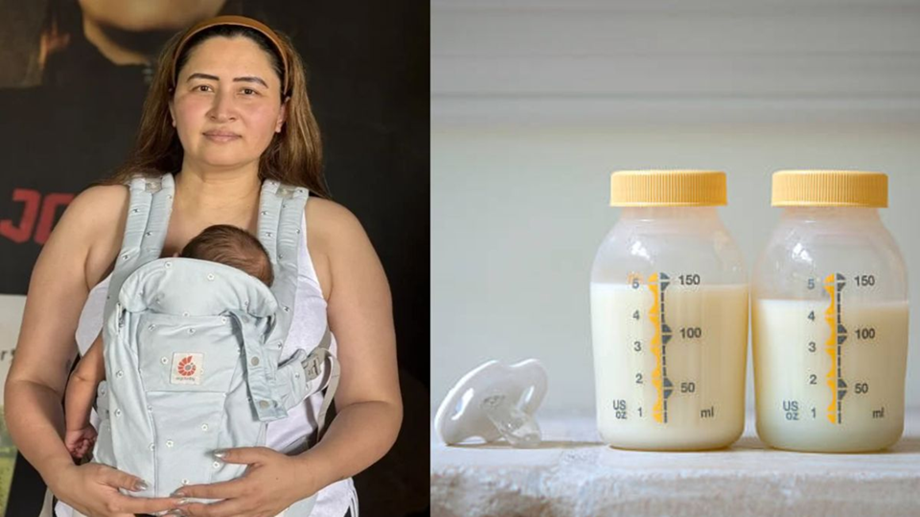
Everyone knows that mother's milk is considered "nectar" for a newborn baby. A newborn's development depends heavily on breast milk. However, there are many cases where a mother's milk supply is disrupted, hindering the baby's development. There are also cases where a mother's death leaves a newborn without breast milk. The concept of breast milk donation was introduced to ensure that infants receive breast milk and develop properly. Today, in this article, we will discuss this issue and learn from experts how breast milk is donated, the regulations in India, and the entire process.
Why is breast milk important for newborns?
First, let's understand why breast milk is so important for newborns and its benefits. According to the NCBI, breast milk contains all the nutrients needed for a 6-month-old baby. It is rich in fat, carbohydrates, proteins, vitamins, minerals, and water. Newborns can easily digest it. Breast milk also contains bioactive properties that help strengthen the baby's immature immune system and provide protection against infection.
Shashank Trivedi, a senior doctor at Apollo Spectra Hospital, Kanpur, also says that breast milk provides essential nutrients for a baby's proper development. It is beneficial for the growth of the baby's bones, muscles, and brain. Breast milk contains natural antibodies that protect the baby from infection. Therefore, it is recommended that your baby be breastfed for at least six months.
Breast Milk Fat Content - According to the National Center for Biotechnology Information, 100ml of breast milk contains approximately 3.5 grams of fat, which provides nearly half of the milk's energy. This fat is released in small droplets and increases in quantity as the baby continues to feed. Therefore, the milk left after feeding is rich in fat, which also changes its color. When a woman first starts breastfeeding, her milk is light yellow. However, as the fat content increases, the milk's color begins to turn white. Breast milk contains two types of fat that are not found in other milk: docosahexaenoic acid (DHA) and arachidonic acid (ARA). These fatty acids are important for the baby's neurological development.
Carbohydrate Content - The main carbohydrate is a special milk sugar called lactose, a disaccharide. 100 ml of breast milk contains approximately 7 grams of lactose, the highest amount compared to all other milks. Another type of carbohydrate found in breast milk is called oligosaccharides, which protect the baby from infection.
Protein Content - The protein found in breast milk differs from animal milk in quantity and quality. The protein found in breast milk has a balance of amino acids, making it suitable for the baby. In terms of quantity, 100 ml of breast milk contains 0.9 grams of protein, which is significantly lower than that of animal milk.
Vitamins and Minerals - Breast milk contains a good amount of vitamins, which provide the baby with all the essential vitamins, unless the mother herself is deficient in any vitamin. However, for vitamin D, the baby needs to spend some time in sunlight. This will enable the baby's body to produce vitamin D on its own. If sun exposure is not possible, vitamin D supplements are given. Minerals like iron and zinc are found in small amounts in breast milk, but they are well absorbed by the body.
What are the rules for donating breast milk in India?
According to Dr. Shashank Trivedi of Apollo Spectra, breast milk donation in India is extremely cautious. Numerous guidelines and regulations have been established to prevent any fraud. The sale of breast milk is completely banned in India. Any woman who wishes to donate breast milk undergoes a thorough process. First, tests are conducted to rule out serious medical conditions. We'll explain the specific tests women must undergo. Before that, let's understand the rules for donating breast milk. After testing, breast milk is collected and deposited in breast milk banks. The identity of the woman who donated the milk is kept confidential. Breast milk is pasteurized before storage. It's important to note that only nutritious milk is accepted by banks. This milk is then distributed to infants in need.
Which women should donate breast milk and which should not?
It's worth noting that any woman can donate breast milk. Rules have been established for this purpose. Dr. Nidhi Rajotiya, Unit Head at Artemis Hospitals, says only women who produce more milk than their child needs can consider donating. Furthermore, milk from women suffering from serious illnesses like cancer, diabetes, AIDS, or hepatitis is not accepted. Furthermore, increasing milk supply through supplements or medications is illegal. Therefore, only women who produce a lot of milk and are completely healthy can donate breast milk.
How much breast milk does a woman produce?
Dr. Shashank explains that the amount of breast milk a woman produces depends on the child's age, appetite, and the mother's health. Typically, approximately 600 to 900 ml of milk is produced daily during the first month. However, as the child grows older, the amount of milk produced increases along with the child's appetite. Milk production also depends on the mother's diet. Nutritional deficiencies in the diet can affect the quality and quantity of milk.
What tests are necessary before donating breast milk?
According to Dr. Nidhi Rajotiya, women are required to undergo certain tests before donating breast milk. Blood tests are the most important of these. Additionally, tests for serious diseases like HIV, hepatitis B and C, and tuberculosis are also performed. Blood pressure and blood sugar are also checked. During this process, the breast milk bank team and doctors monitor the entire process. After receiving the milk, it is also tested to detect any infections.
Which hospitals store breast milk?
When speaking with Dr. Nidhi Rajotiya, unit head of Artemis Hospitals, she explained that, in response to the needs of infants, breast milk banks have been established in many hospitals across India. Women can visit these banks to donate breast milk. The first human milk bank was established in 1989 at Lokmanya Tilak Municipal General Hospital (Sion Hospital) in Mumbai. Subsequently, this service was gradually expanded to include the Institute of Child Health Milk Bank in Kolkata, the Niloufer Hospital Milk Bank in Hyderabad, and the Divya Mother Milk Bank in Udaipur. Renowned hospitals such as AIIMS (All India Institute of Medical Sciences), Campus Hospital, Fortis, Medanta, and the National Institute of Child Health are among them. All these banks first test and store donated milk, then pasteurize it before distributing it to infants. The government and various health organizations are continuously promoting this service to ensure that more infants deprived of breast milk can benefit from it.
PC Social media