LIFESTYLE
Kerala News: Shigella and Nipah alert in Kerala—how many cases so far? Health Minister provides full details..

For the past month, Kerala has been grappling with various infectious diseases. Alongside Shigella and West Nile fever, there is growing public concern regarding Nipah virus infection. A report published in *Amar Ujala* previously highlighted a case involving a 43-year-old man infected with Nipah. The infection was detected in this individual after he was admitted to the Government Medical College Hospital in Kozhikode, Kerala, exhibiting symptoms of encephalitis.
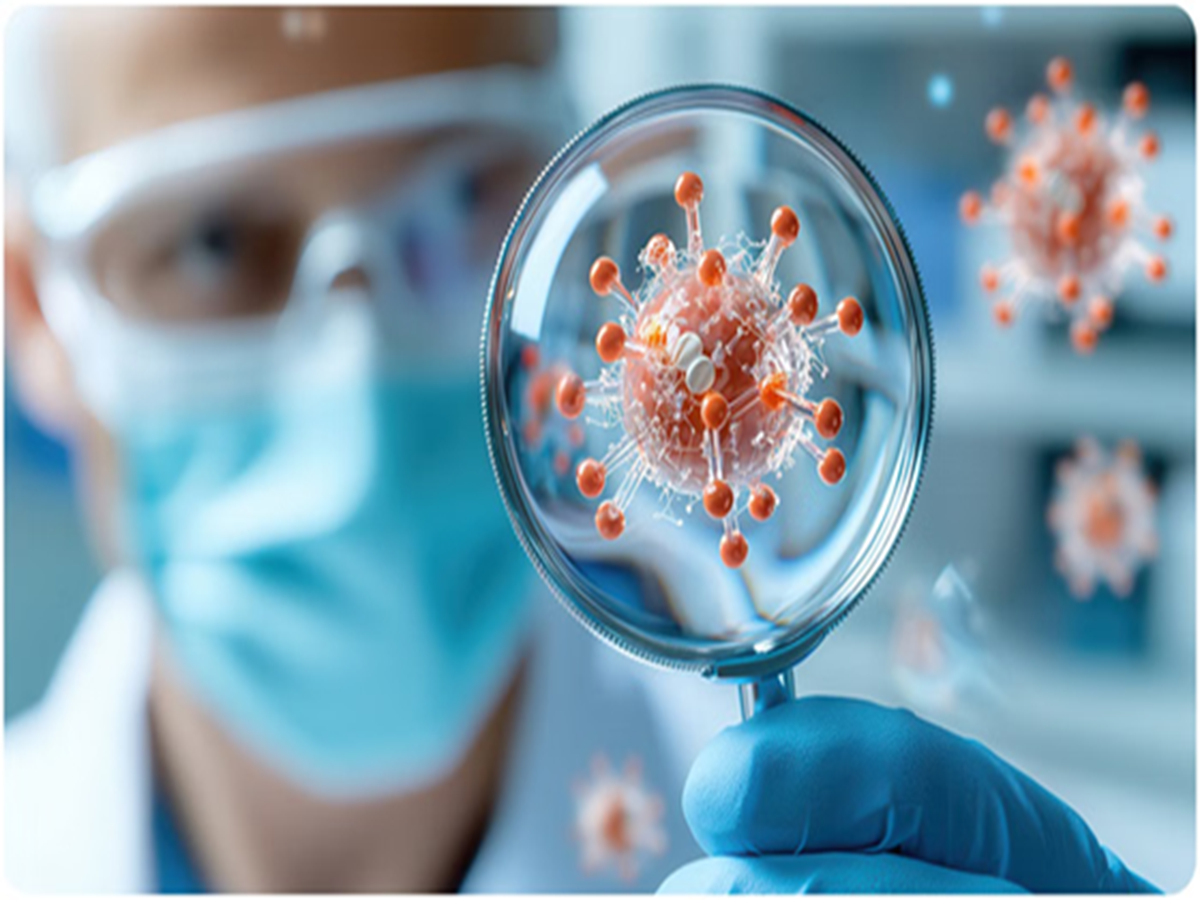
It is worth noting that Nipah virus infection can range from mild fever to severe brain infection (encephalitis). Its high mortality rate remains a major cause for concern. Apart from Nipah, there is also apprehension among the public regarding Shigella infections in various parts of the state.
On Tuesday (June 16), Kerala's Health Minister K. Muralidharan provided an update on the status of infectious diseases in the state.
What did the Health Minister say?
Addressing the Nipah virus and Shigella cases, Health Minister K. Muralidharan stated that 70 cases of Shigella have been reported this month, bringing the total number of cases to 146 so far. Five people have died due to this infection.
"We have constituted a committee to curb viral and amoebic diseases, chaired by Dr. S.S. Lal, a consultant for the World Health Organization (WHO). We will hold weekly meetings to review the situation and issue relevant directives to officials. The committee will also research ways to permanently prevent such diseases."
The Health Minister expressed confidence that the government would succeed in preventing the spread of the Nipah virus this year. Out of more than 38 samples sent to the laboratory, only one person tested positive, and that patient is currently on a ventilator in the hospital.
What measures are being taken to prevent the infection?
The Health Minister noted that the patient was in critical condition when admitted to the hospital on the 10th. Doctors stated that the next 24 hours are critical; although five days have passed and there is slight improvement in the patient's condition, they remain on a ventilator.
We are continuously working to prevent such infectious diseases. In collaboration with residents, health workers, and the Food Safety Department, we are working to clean up sources of contamination and potential infection vectors to prevent the spread of disease.
We had also received several complaints regarding clean drinking water. Strict instructions have been issued to the Food Safety Authority in this regard. Cleaning rivers and water bodies is a major priority for us, as it can help reduce the risk of various diseases. The Health Minister stated that there are currently no reported cases of cholera.
Learn about Shigella, West Nile Fever, and Nipah:
Shigella infection is a bacterial disease that spreads primarily through contaminated water and food. It affects the stomach and intestines and, in severe cases, can cause significant physical weakness. It spreads mainly via the fecal-oral route—meaning through contact with microorganisms present in the stool of an infected person.
West Nile virus is a mosquito-borne viral infection transmitted through the bite of infected mosquitoes; it can lead to conditions ranging from fever to brain inflammation. In severe cases, the virus can reach the brain, causing encephalitis or meningitis.

Similarly, Nipah is a zoonotic viral infection, meaning it can spread from animals to humans. According to the World Health Organization (WHO), the risk of transmission is considered highest from fruit bats. Initially, symptoms resemble a mild fever; however, in severe cases, it can lead to a brain infection (encephalitis). The mortality rate among infected individuals has been observed to range from 40% to 75%.
PC Social Media