LIFESTYLE
Kidney stones: Excess salt and calcium can cause kidney stones, know how to avoid this problem..
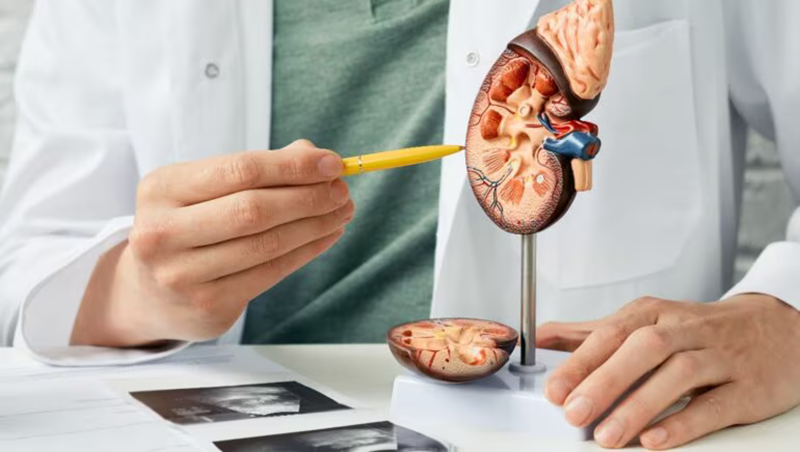
Unhealthy lifestyle can increase the risk of kidney related problems, one of them is kidney stone, which is a painful condition. Unbalanced routine and unhealthy eating habits lead to deposition of minerals and salt in the kidney. The risk of this problem increases manifold in those people who suffer from diabetes and high blood pressure. At the same time, not drinking water is also one of the main causes of this problem. Know the symptoms of kidney stones and also the ways to get relief from them.
What is Kidney Stone
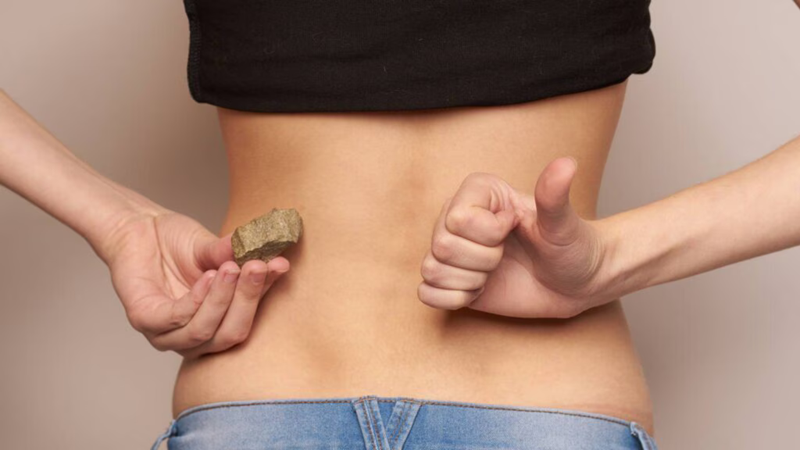
Dr Mohit Khirbat, Nephrology Consultant at CK Birla Hospital, Gurugram, explains that kidney function is affected by irregular eating habits. Kidney stones can cause severe pain and discomfort. They form when calcium, oxalate, and uric acid accumulate in very high amounts in the urine and form crystals. These crystals can then bind together to form stones. The size of kidney stones can range from small particles of sand to large stones the size of a golf ball. They can cause severe pain in the back, side, lower abdomen, or waist, as well as nausea and vomiting.
Signs of Kidney stone
Pain is experienced in the back, abdomen and while passing urine. This pain is quite intense, which keeps bothering you.
Blood starts coming while passing urine. Apart from this, the color of urine also appears dark yellow and light pink.
Apart from this, the sensation of vomiting persists. Those who suffer from this start feeling heaviness and do not feel like eating anything.
Tips to get relief from kidney stone
1. Drink plenty of water
Drinking water helps in hydration and helps in detoxifying the toxic substances present in the system. For this, one should drink 2 to 3 liters of water a day. But if the weather is hot and someone is dehydrated, then this need may increase. Therefore, drinking less water can increase dehydration and kidney related problems.
2. Avoid eating too much salt
The high amount of sodium in the body increases the risk of kidney stones. This increases the level of calcium in the urine, which takes the form of stone. The high amount of salt imbalances the balance of sodium and potassium in the body. This affects the functioning of the kidney. Consume salt in limited quantities.
3. Avoid smoking and drinking
Regular smoking causes protein to accumulate in the urine, which starts damaging the kidney. Along with this, smoking slows down the blood flow in the kidney. On the other hand, consuming alcohol increases the amount of uric acid, which proves to be the cause of many problems including swelling in the body.
4. Control the amount of calcium
According to research by Johns Hopkins Medicine, consuming calcium-rich products in large quantities increases the amount of calcium in the urine. In such a situation, when oxalate combines with calcium, it causes kidney stones. Such a condition is also called hypercalciuria. In this condition, calcium starts binding oxalate in the gut. In such a situation, avoid calcium supplements.
5. Avoid consuming oxalate-rich foods
According to the National Kidney Foundation, oxalate is found in many types of foods including spinach, almonds, ladyfinger, sweet potato and raspberry. Excessive increase in oxalate does not allow detoxification through urine, increasing the problem of kidney stones. According to the National Kidney Foundation, people suffering from kidney stones are advised to take 100 mg of oxalate throughout the day.
6. Take vitamin C-rich foods in limited quantities
Research in JAMA Internal Medicine has found that excessive intake of vitamin C can increase the risk of kidney stones. In fact, after reaching the body, vitamin C starts converting into oxalate, which increases the possibility of stone.
PC Social media