LIFESTYLE
Kidney:The eyes give 6 warning signs before kidney failure; be sure to check them as soon as you wake up in the morning..

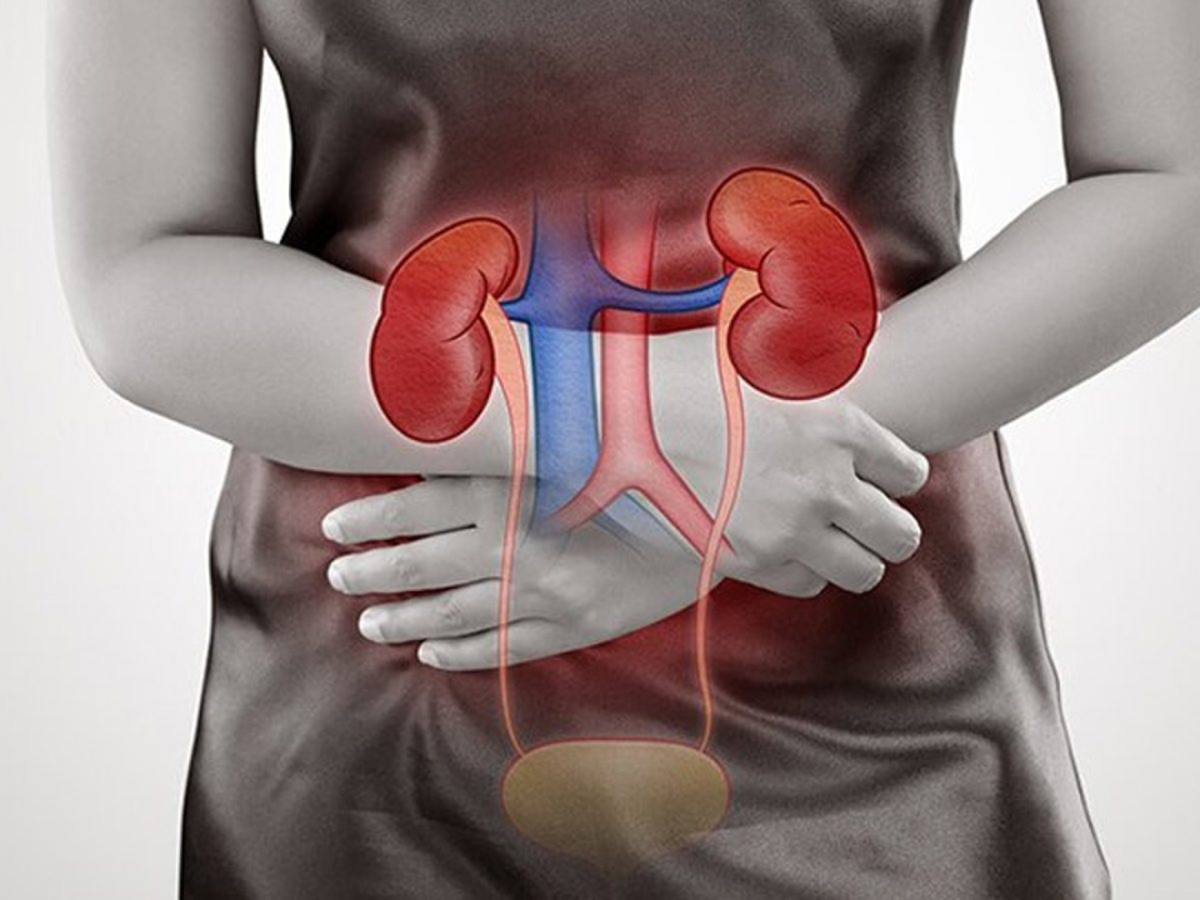
The kidneys are responsible for removing waste products from our bodies. Not only that, but they also maintain electrolyte balance and help control blood pressure. However, due to a poor lifestyle and diet, we unknowingly cause significant damage to our kidneys.
While most people believe that kidney problems can only be detected through changes in urine color or other urinary symptoms, this is not entirely true. In fact, some signs of kidney damage are visible in the eyes. Let's learn about the symptoms of kidney damage that appear in the eyes.
Swelling around the eyes
One of the earliest and most common symptoms of kidney problems is swelling under and around the eyes. This is called 'periorbital edema'. This occurs when the kidneys start releasing protein from the body through urine. This causes fluid to accumulate in the tissues, leading to swelling around the eyes. While slight swelling around the eyes immediately after waking up is normal, if it persists for a long time, it could be a sign of kidney damage.
Dryness and itching in the eyes
When the kidneys are damaged, the balance of minerals and nutrients in the body is disrupted. Abnormal levels of calcium and phosphorus in the blood directly affect the moisture in the eyes, which can lead to burning, dryness, and persistent itching.
Redness in the eyes
When the kidneys are not functioning properly, it disrupts the body's metabolism. Calcium and phosphate crystals can accumulate on the white surface of the eyes, causing the eyes to appear red. People often mistake this for a common allergy and ignore it, but it could be a sign of a serious kidney condition.
Blurred vision
One of the main causes of kidney damage is diabetes and high blood pressure. Both of these conditions damage the retina of the eyes. When the kidneys don't function properly, the fluid buildup in the body can alter the shape of the eye's lens, leading to blurred vision.
Impaired Peripheral Vision
Peripheral vision refers to the ability to see out of the corners of the eyes. High blood pressure associated with kidney problems can increase pressure on the optic nerves, which can be considered a form of glaucoma. This can gradually lead to a loss of peripheral vision.

Feeling Pressure or Pain in the Eyes
When the kidneys are unable to remove excess fluid from the body, fluid retention increases. This increased fluid can raise the internal pressure within the eyes. This may cause a feeling of heaviness, pressure, or mild pain in the eyes.
PC Social Media