LIFESTYLE
Kuldevta, Kshetrapal, Gram Devta, and Ishta Devta—who are they, and why are they significant to you?
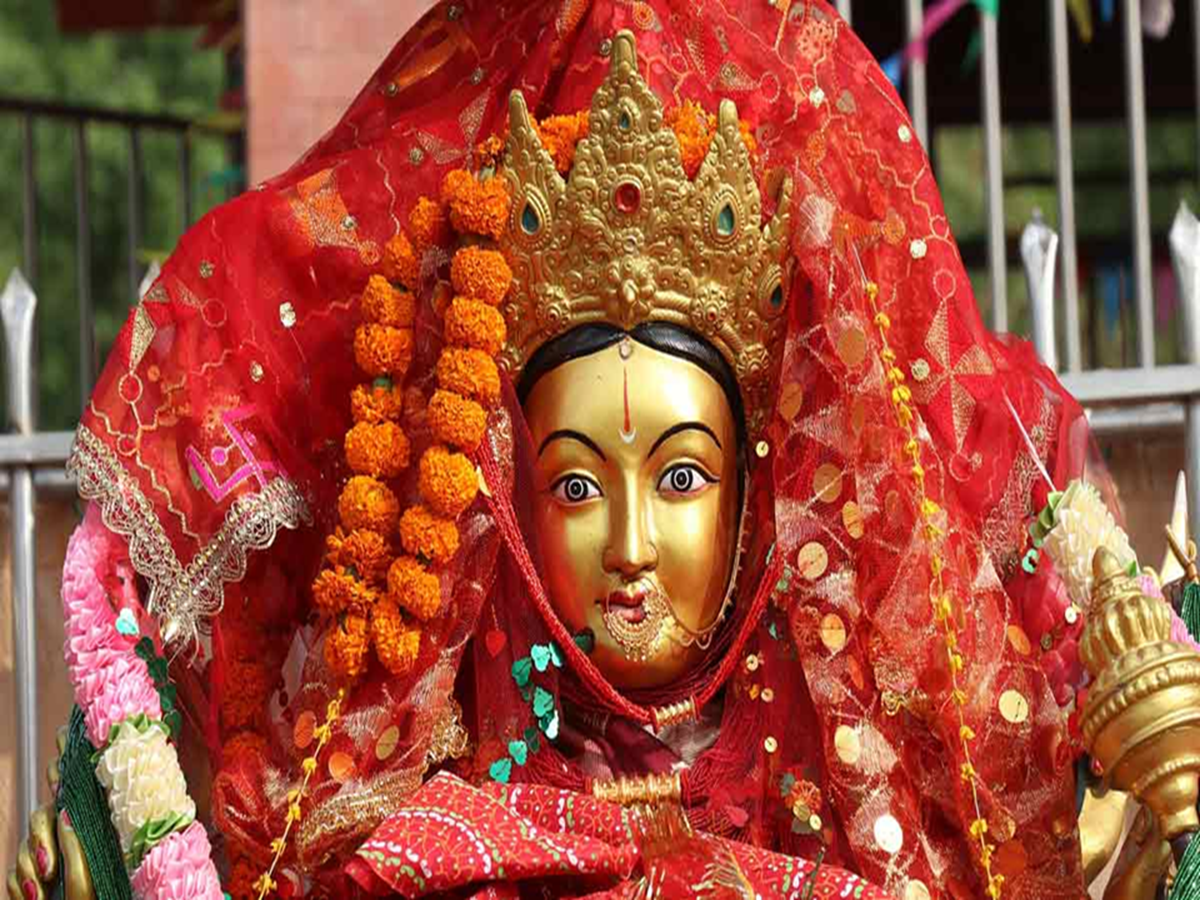
In the Indian Sanatan tradition, *Kuldevta* (family deity), *Gram Devta* (village deity), *Kshetrapal* (guardian of the region), and *Ishta Devta* (personal chosen deity) are not merely subjects of worship; rather, they are regarded as the spiritual identity of both the individual and society. It is believed that the *Kuldevta* protects the family, the *Gram Devta* acts as the guardian of the entire village's happiness and prosperity, while the *Kshetrapal* assumes the responsibility of overseeing and safeguarding a specific geographical region. Conversely, the *Ishta Devta* represents that divine power with whom an individual shares a deeply personal and emotional bond. In the realms of astrology and religious scriptures, the worship of these divine powers is described as the foundation for infusing positive energy into one's life, providing protection against adversities, and fostering mental peace. Amidst changing lifestyles, people are once again returning to their roots and traditional beliefs, a trend that appears to be further amplifying the significance of these divine traditions.
**Kuldevta (Family Deity)**
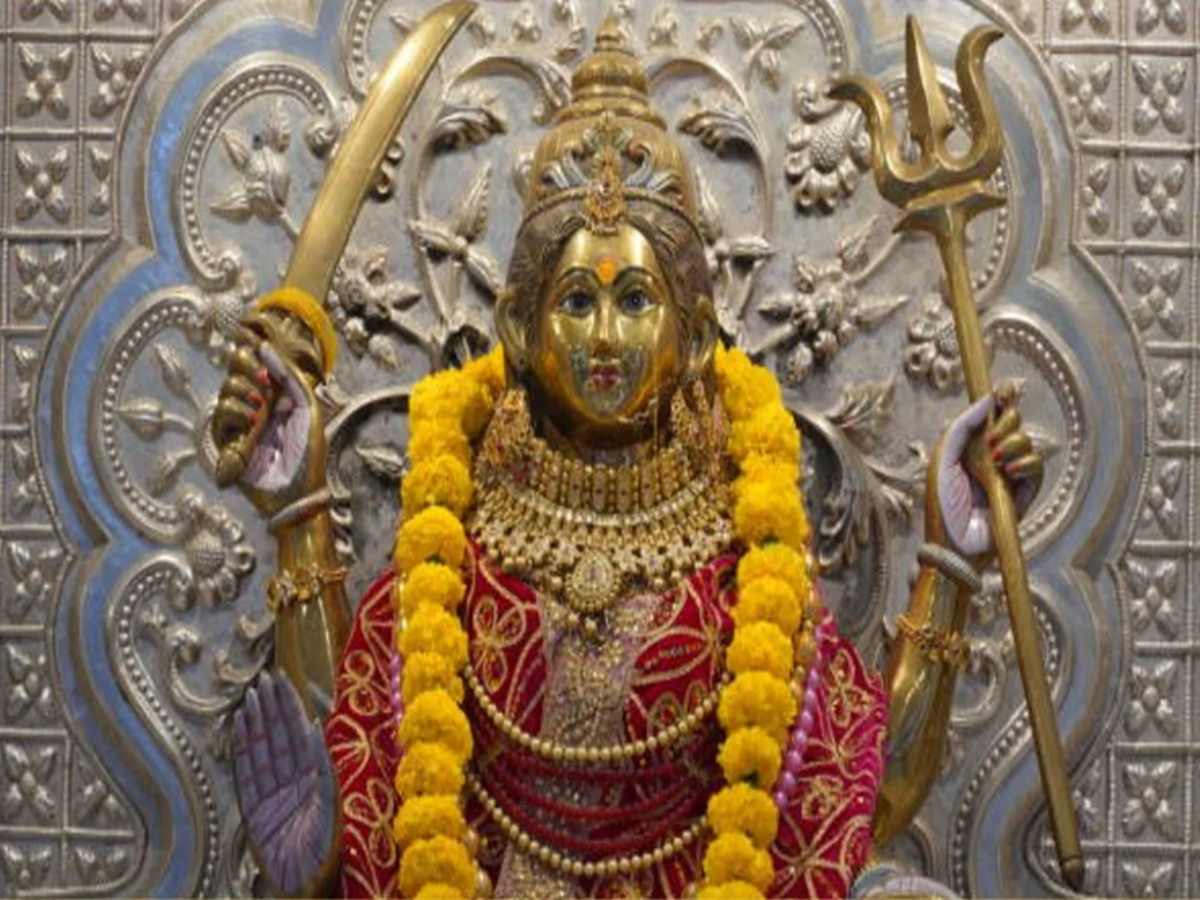
The *Kuldevta* (male deity) or *Kuldevi* (female deity) serves as the principal deity of a specific family or lineage. In Hindu culture, the *Kuldevta* or *Kuldevi* holds a distinct and special place within every family. The term *Kuldevta* is derived from *Kul* (meaning family or lineage) and *Devta* (meaning God or deity). This divine guardian acts to preserve and protect the lineage and ancestral traditions of the family. Worshipping the *Kuldevta* signifies paying homage to one's ancestors and acknowledging the spiritual protection afforded to the family. Every *Gotra* (clan) or lineage possesses its own specific deity—such as Lord Hanuman, Lord Bhairav, or the various manifestations of Goddess Durga. Significant life events—such as weddings, naming ceremonies (*Namkaran*), or housewarming rituals (*Griha Pravesh*)—are traditionally initiated only after seeking the blessings of the *Kuldevta*, thereby ensuring the continued presence of happiness, peace, and security within the family.
**How to Please Your Kuldevta:**
– Begin all significant undertakings—such as weddings, naming ceremonies, or housewarming rituals—by seeking the blessings of your *Kuldevta*.
– On auspicious days, light a lamp (*Diya*) in their name or perform a simple act of worship.
– Visit their temple (which is often located in the ancestral village); such a pilgrimage is regarded as a sacred spiritual journey for the entire family.
**Ishta Devta (Personal Chosen Deity)**
The *Ishta Devta* refers to that specific deity with whom an individual's soul shares a profound and unique connection. This is the particular God or Goddess toward whom an individual feels the strongest spiritual attraction—such as Lord Krishna, Goddess Durga, Lord Ganesha, or the "God of Gods," Lord Mahadev. An individual's relationship with their *Ishta Devata* (chosen deity) is deeply personal and spiritual—a bond that may even evolve. This connection to one's *Ishta Devata* is independent of one's family, lineage, or village affiliation.
**How to Please Your *Ishta Devata*:**
– Each *Ishta Devata* has specific mantras associated with it; chanting these mantras helps deepen the spiritual bond.
– Converse with your deity as you would with a family member, sharing your hopes, dreams, and expressions of gratitude.
**Gram Devata**
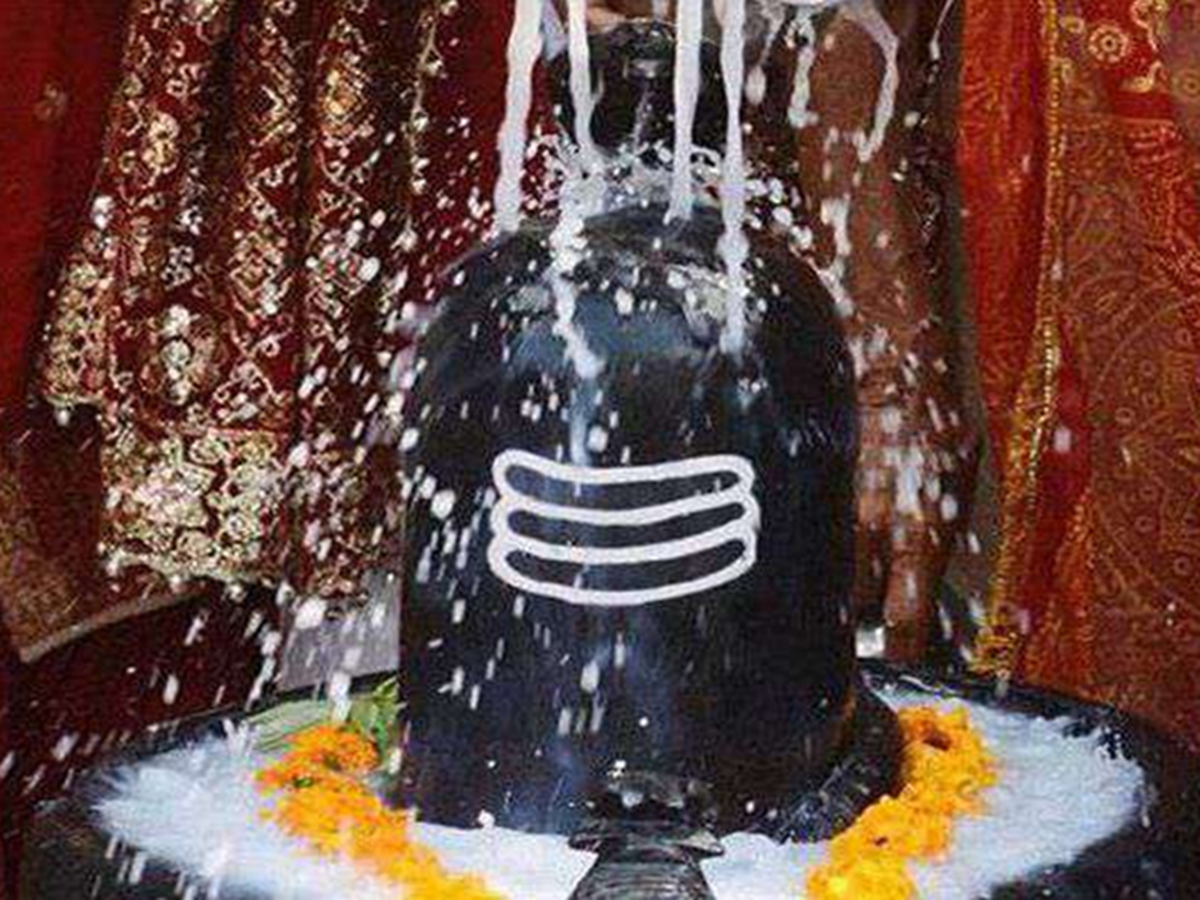
*Gram Devatas* serve as the spiritual guardians of a village or settlement. Unlike *Kul Devatas* (family deities), they do not belong to a single family but rather to the entire village community. Every village in India—no matter how small—invariably has a *Gram Devata*, who is often worshipped in the form of Lord Shiva, Lord Bhairava, or a local goddess. It is believed that these deities protect the village from calamities such as epidemics and droughts, and work tirelessly for the welfare of the community. Village festivals, *Jatras* (religious processions), and fairs are celebrated with rituals centered around the worship of these deities. In most villages, a small shrine dedicated to the *Gram Devata* is invariably situated just outside the village boundaries.
**How to Honor Your *Gram Devata*:**
– Participate actively in village festivals or fairs that are celebrated in honor of the *Gram Devata*.
– Offer coconuts, flowers, and turmeric; these items are traditionally regarded as symbols of reverence and respect.
**Kshetrapala**
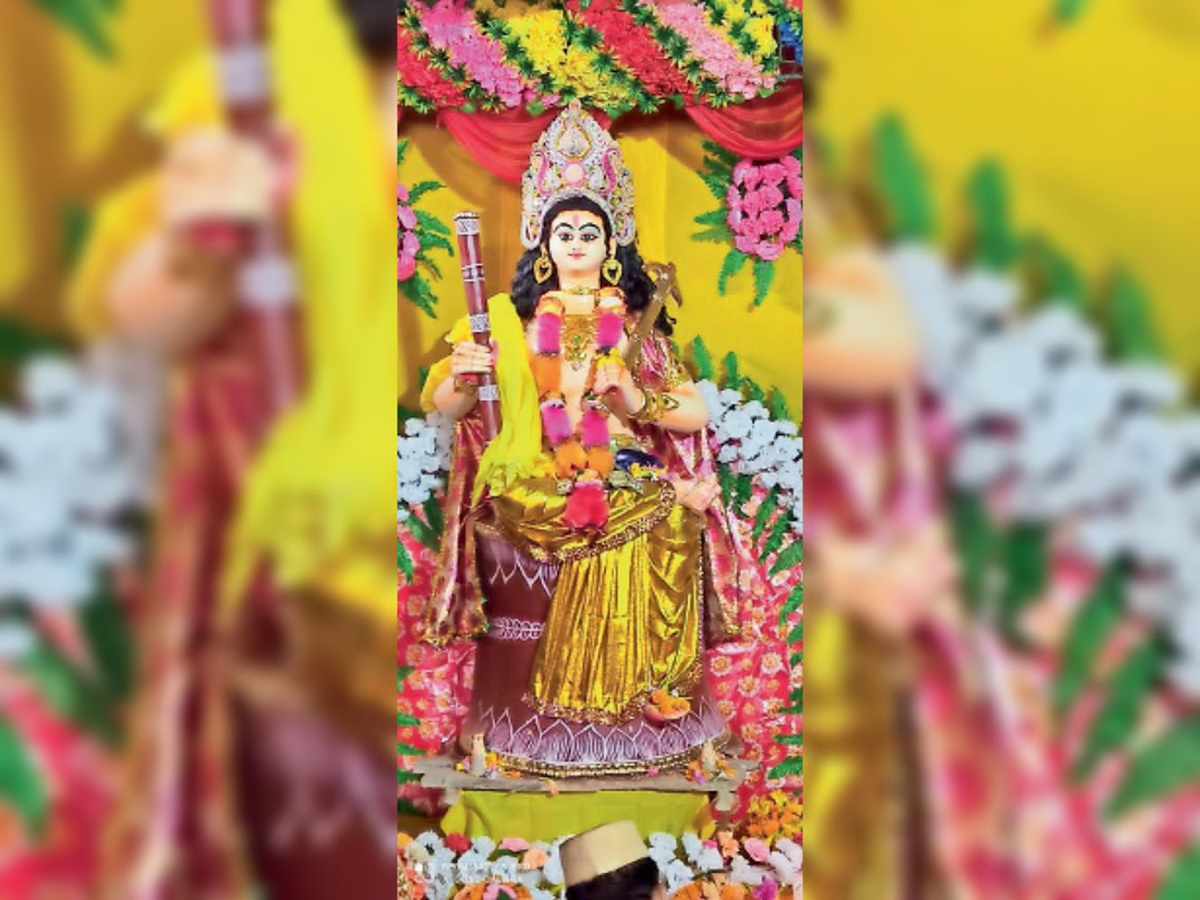
The term *Kshetrapala* translates to the "Guardian of the Realm." In Sanskrit, *Kshetra* signifies a region or land, while *Pala* denotes a protector or guardian. *Kshetrapala* is often depicted in the fierce or ascetic (*Yogi*) form of Lord Shiva, serving to protect the land, temples, and territorial boundaries from negative energies. Notably, at the entrances of ancient temples—particularly in the states of Gujarat and Rajasthan—statues of *Kshetrapala* are frequently found; these serve as a reminder that the Divine acts as a protector first, and only then grants permission for entry.
**How to Seek the Blessings of *Kshetrapala*:**
– Offer mustard oil and incense sticks (*Agarbatti*); these are traditionally regarded as symbols of vigilance and strength.
– Before entering a temple, pause briefly before the statue of *Kshetrapala* situated at the entrance to seek his blessings.
PC Social Media