
LIFESTYLE
Malmas 2026: Do Not Perform These Actions—Even by Mistake—During Malmas, or It Will Lead to Misfortune..
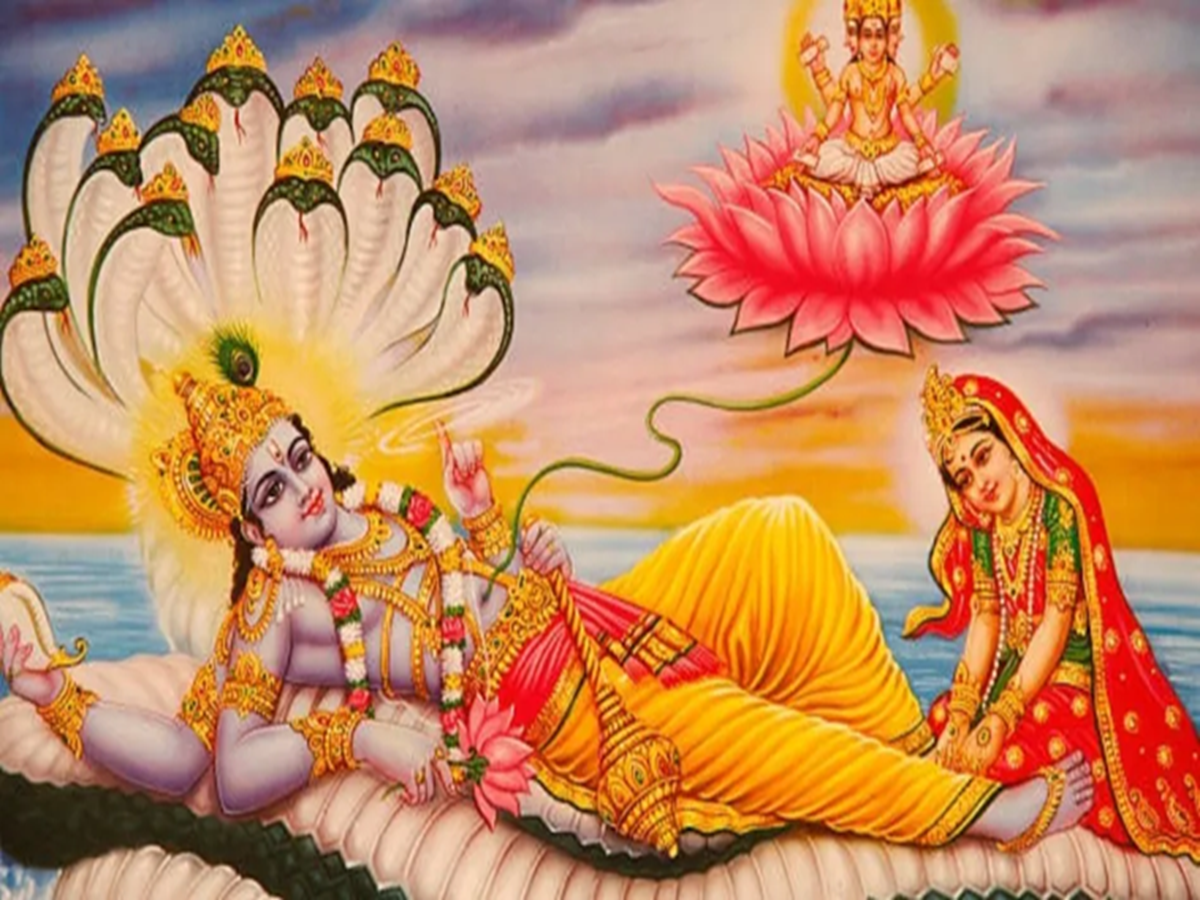
What Not to Eat During Malmas: Malmas is also known as *Adhik Mas* (the extra month) or *Purushottam Mas*. Malmas commenced on May 17, 2026—that is, yesterday—and will continue until June 15, 2026. During Malmas, no auspicious ceremonies or rituals (*Mangalik Karyas*) are performed. Consequently, there is a prohibition on conducting auspicious events such as *Mundan* (first haircut ceremonies), *Griha Pravesh* (housewarming ceremonies), weddings, and similar functions during this period. During this time, devotees engage in the worship and adoration of Lord Vishnu.
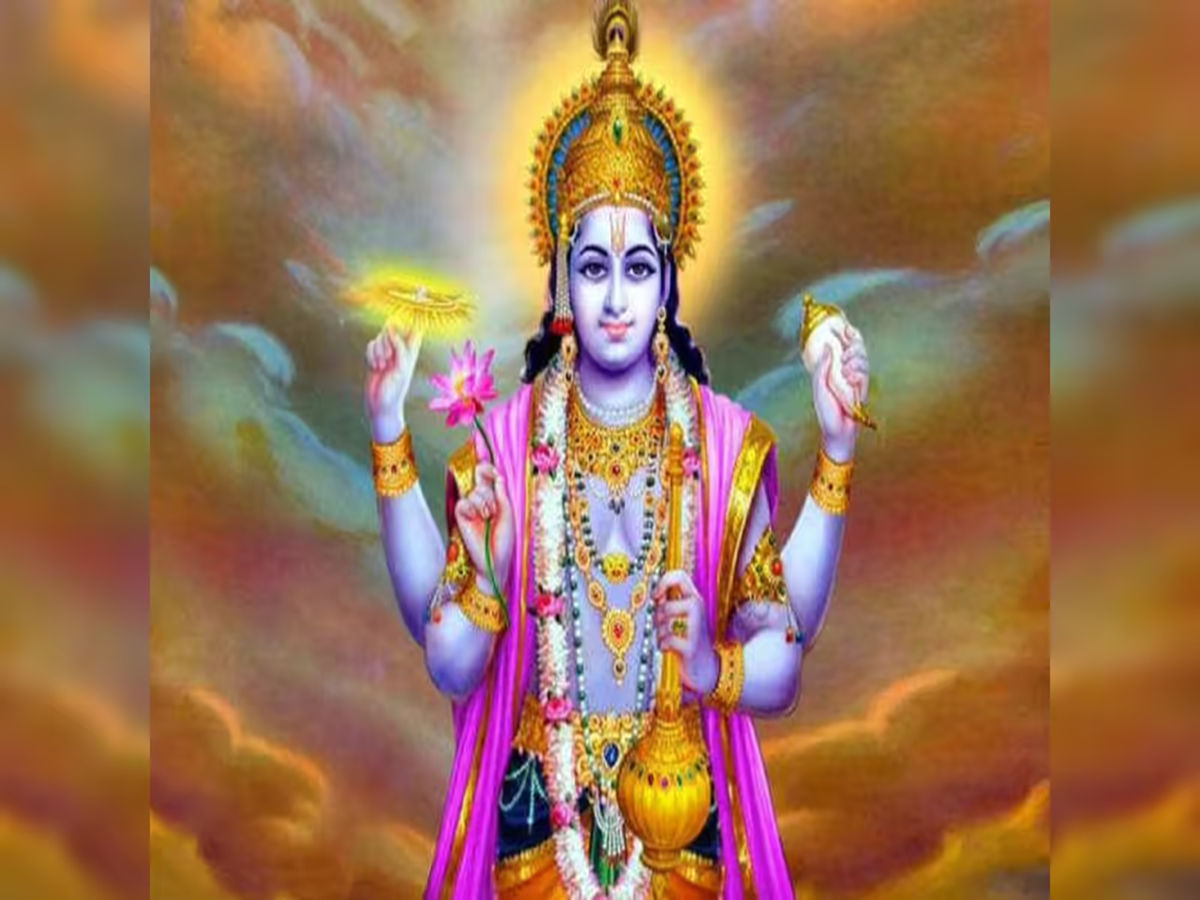
*Tulsi Puja* (worship of the Holy Basil plant) also holds special significance during this month. Furthermore, this period is considered highly auspicious for performing acts of charity and good deeds. According to the Hindu Almanac (*Panchang*), this year's Malmas is being referred to as *Adhik Mas* or *Adhik Jyeshtha Mas* (the extra Jyeshtha month); therefore, there will be two months of Jyeshtha this year. From a religious perspective, the occurrence of an *Adhik Jyeshtha Mas* means that the calendar year will consist of 13 months instead of the usual 12.
According to the Hindu Almanac, Malmas is synonymous with *Adhik Mas* (the extra month). It is an additional 13th month that occurs approximately every 32 to 33 months. It is incorporated into the calendar system to maintain a balance between the solar and lunar calendars. Specifically, a lunar year comprises 354 days, whereas a solar year consists of 365 days. This results in a discrepancy of 11 days each year. Over a period of three years, this cumulative difference amounts to roughly one full month; hence, it is designated as *Adhik Mas* (the extra month). According to mythological legends, Lord Vishnu bestowed His own name—*Purushottam*—upon this month; consequently, it is also revered as *Purushottam Mas*. Worshipping Lord Vishnu during Malmas is believed to usher in happiness, prosperity, and well-being.
It helps in alleviating difficulties and resolving problems. Rather than focusing on worldly affairs and material pursuits, this period should be dedicated to spiritual practices (*Sadhana*) and self-purification. Furthermore, one should direct one's mind toward acts of charity, virtuous deeds, chanting (*Japa*), meditation, the recitation of the *Vishnu Sahasranama*, listening to religious discourses (*Katha*), and similar spiritual activities.
What Should One Avoid Eating During Malmas?
During Malmas, the primary focus should be on leading a *Sattvic* (pure and harmonious) lifestyle, practicing self-restraint, and engaging in worship and prayer. Regarding one's diet, it is considered beneficial to abstain from consuming the following specific food items: - The consumption of non-vegetarian items—such as meat, fish, eggs, etc.—is considered prohibited.
- One should also abstain from consuming alcohol and intoxicants; failure to do so is considered inauspicious.
- The consumption of garlic and onions is forbidden (many people abstain from them for the entire month).
- One should avoid consuming excessively *Tamasic* (heavy/dull) or spicy foods.
- One should not eat stale food; instead, consume freshly prepared home-cooked meals.
- Some people also refrain from eating outside food, including junk food and deep-fried items.
- Many devotees of Lord Vishnu eat only once a day, observing a diet of fruits (*Phalahar*) or fasting.
- According to certain traditions, there is also a rule to abstain from pulses and grains; however, this depends on an individual's specific family traditions and regional customs.
**What should one eat during *Malmas*?**
During *Adhik Maas* (also known as *Malmas*), you should consume pure and *Sattvic* (wholesome) food. You may consume seasonal fruits, milk, yogurt, bottle gourd (*Lauki*), coriander, chilies, rock salt (*Sendha Namak*), cumin, wheat, barley, chickpeas (*Chana*), green gram (*Moong*), sesame seeds, and peanuts. During this period, the consumption of spinach, eggplant (*Baingan*), and okra (*Bhindi*) is considered prohibited.
**What activities are considered prohibited during *Malmas*?**
According to traditional beliefs, the following auspicious (*Mangalik*) activities are considered prohibited during *Malmas*:
- Weddings and engagements
- Rituals (*Sanskaras*) such as *Mundan* (first haircut ceremony) and *Janeu* (sacred thread ceremony)
- Major purchases or significant auspicious undertakings
- *Griha Pravesh* (housewarming ceremony)
- Starting a new business or opening a shop (even during an auspicious time/muhurat)
**What activities are considered auspicious?**
- Worshipping Lord Vishnu, Mother Tulsi, and Lord Krishna is considered auspicious.
- Reciting the *Bhagavad Gita* is considered highly auspicious.
- Chanting the *Vishnu Sahasranama* or the name of Lord Rama is also considered extremely beneficial.
- Engaging in acts of charity and philanthropy, serving cows (*Gau Seva*), feeding the poor, and practicing celibacy and self-restraint are considered auspicious acts.
PC Social Media