LIFESTYLE
Mauni Amavasya 2026: How to appease ancestors on Mauni Amavasya? Learn the simplest way to perform Tarpan..
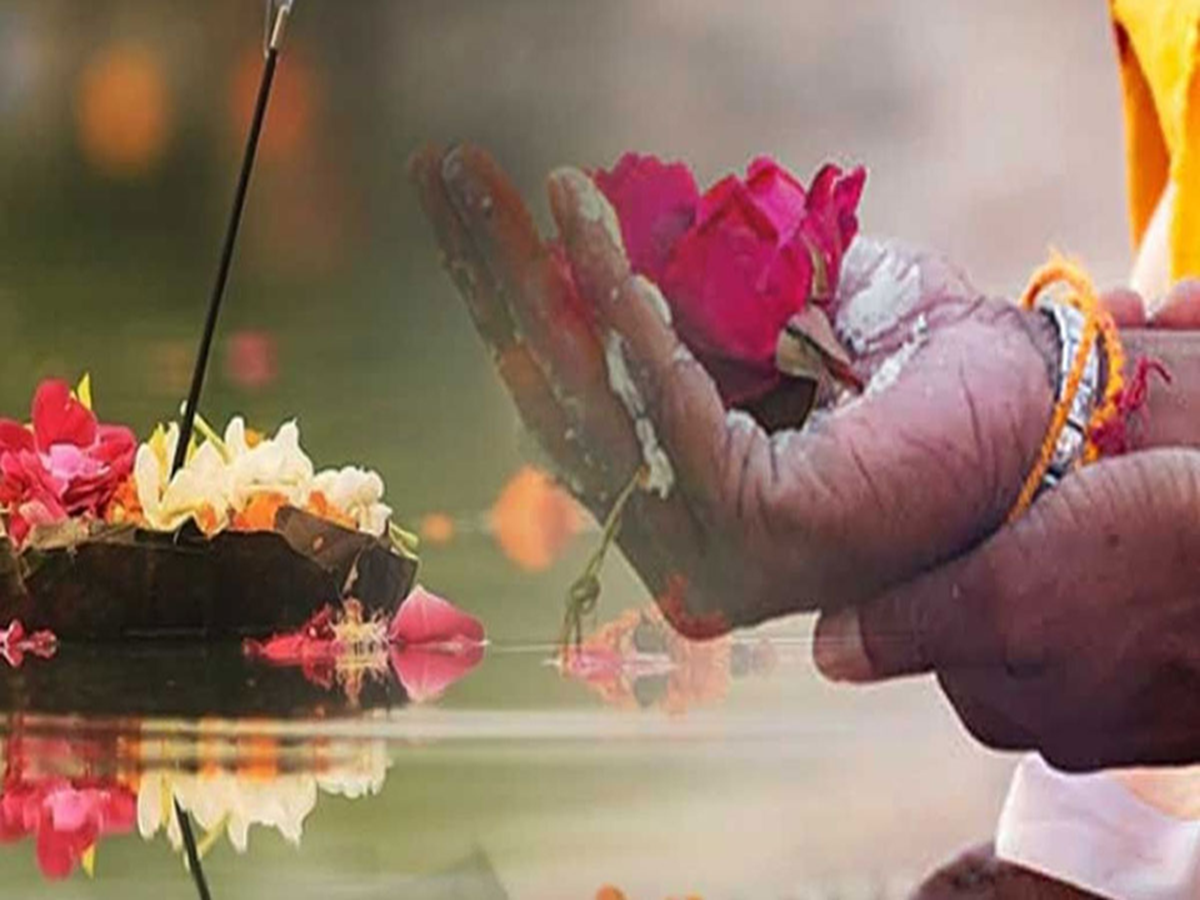
In the Sanatan tradition, Mauni Amavasya is considered an extremely sacred day associated with ancestral appeasement and self-purification. In 2026, Mauni Amavasya will be celebrated on January 18th, a Sunday. Taking a holy dip in sacred rivers, including the Ganges, observing a vow of silence, performing acts of charity, and offering oblations to ancestors are considered especially significant on this day. According to religious beliefs, the oblations offered on Mauni Amavasya bring satisfaction to the ancestors and maintain peace and harmony in the family lineage. Performing the oblations according to the methods described in the scriptures opens the path to liberation from ancestral debt. For this reason, this date is considered extremely auspicious for performing ancestral rites.
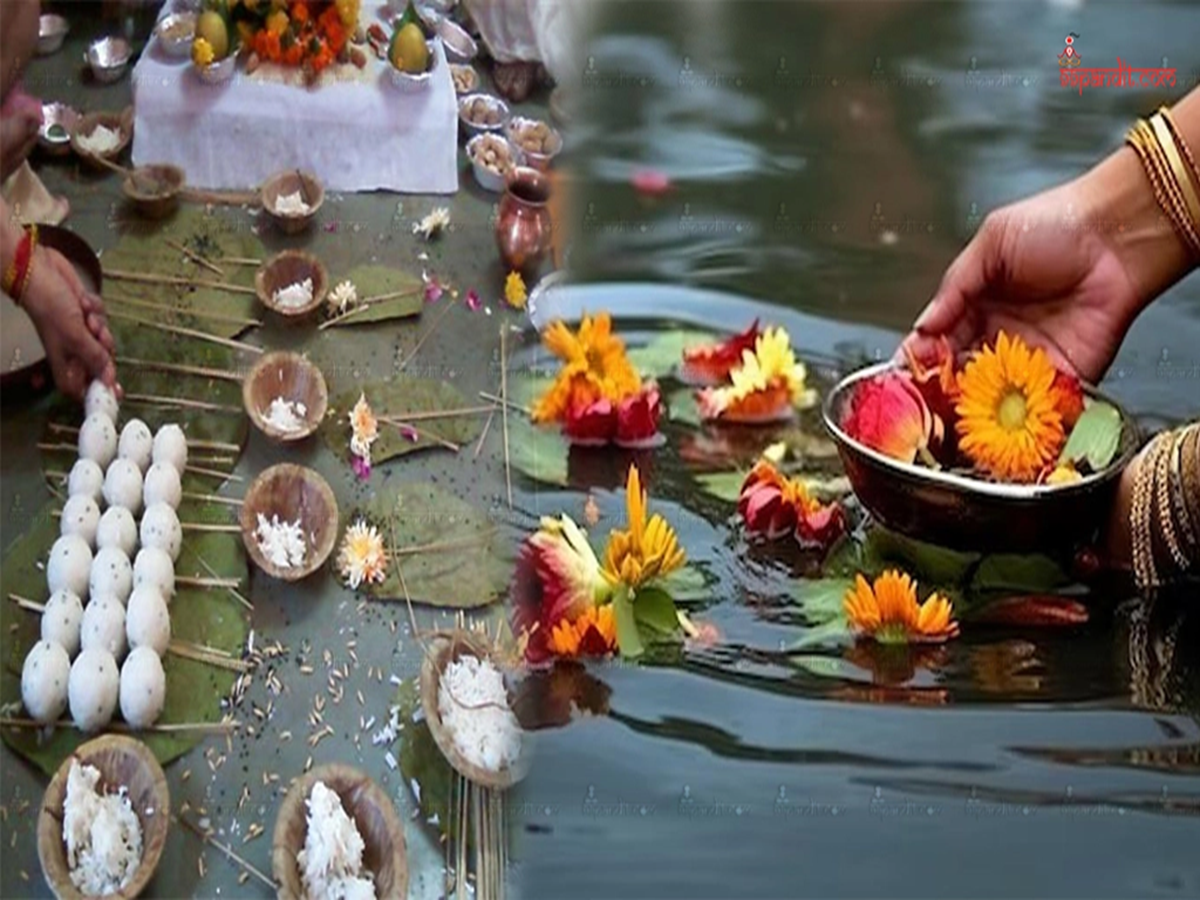
Preparation and Sankalpa (Intention) for Tarpan
On the day of Mauni Amavasya, special attention is paid to purity before performing Tarpan (oblations). Waking up in the early morning during the Brahma Muhurta and taking a bath with holy water is considered auspicious. After this, wear clean clothes and sit in a quiet place facing east or north. Before performing Tarpan, a resolution is made to remember the ancestors with pure feelings. Water, sesame seeds, and Kusha grass are held in the hands while meditating on the ancestors. Remembering one's gotra (lineage) and the names of the ancestors during the resolution is considered auspicious. This preparation makes the Tarpan more meaningful, and the act performed with devotion reaches the ancestors.
Method of Performing Tarpan on Mauni Amavasya (Pitru Tarpan Vidhi)
For Tarpan, water, black sesame seeds, Kusha grass, and unbroken rice grains are generally used. While performing Tarpan, water is taken in the palm and slowly released onto the ground through the fingers. With each offering, a feeling of gratitude towards the ancestors is maintained. According to religious beliefs, performing the Tarpan three times is considered auspicious. During this time, maintaining a calm and silent mind is especially fruitful. Reciting the Pitru Sukta or Pitru Chalisa during Tarpan increases the effectiveness of the ritual. This method appeases the ancestors and becomes a means of receiving their blessings.

Benefits and Religious Significance of Tarpan
According to the scriptures, the Tarpan performed on Mauni Amavasya provides many spiritual benefits. It is believed that on this day, ancestors are closer to the earthly realm and accept the offerings made by their descendants. Performing Tarpan (ancestral rites) reduces ancestral curses and brings happiness and prosperity to the family. This ritual also strengthens the family lineage. From a religious perspective, it is believed that the blessings of ancestors remove obstacles in life. Thus, performing Tarpan on Mauni Amavasya is not merely a ritual, but a symbol of respect and duty towards one's ancestors.
PC Social Media