
LIFESTYLE
Mokshada Ekadashi Vrat Katha: Mokshada Ekadashi, the divine fast that liberates ancestors, know its importance..
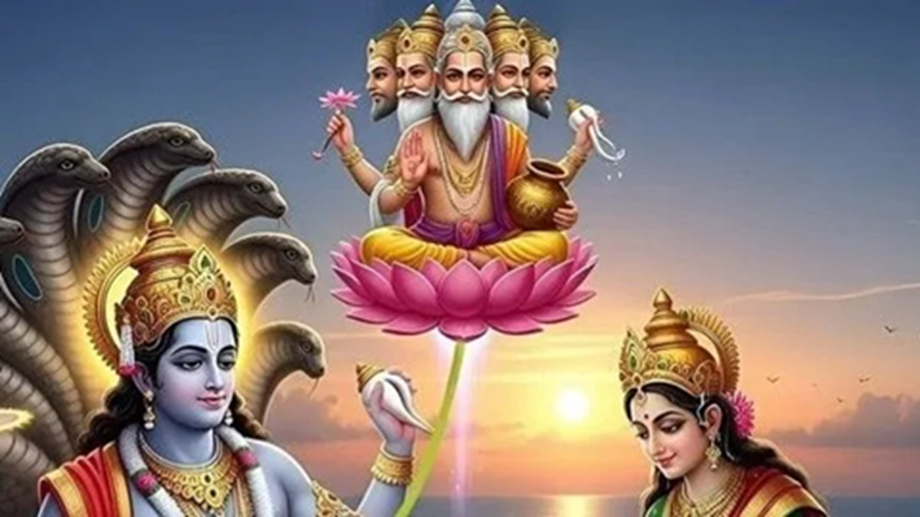
Mokshada Ekadashi Vrat Katha: In Sanatan Dharma, the Ekadashi fast is considered sacred, peaceful, and sin-destroying. The Ekadashi date represents the manifestation of Jagatguru Vishnu, who removes all sins. All Ekadashis have the power to bestow virtuous results comparable to Narayana. They fulfill the desires of their devotees and take them to Vishnulok, or Vaikuntha. Observing this fast increases auspicious results and destroys inauspiciousness.
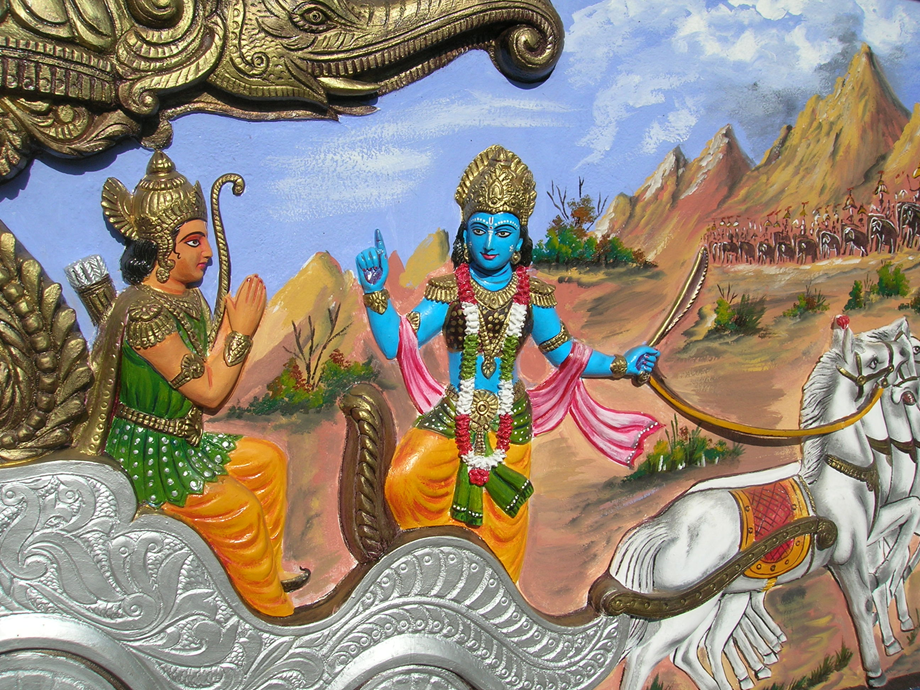
The Significance of Mokshada Ekadashi and Geeta Jayanti
Observing the Mokshada Ekadashi fast during the Shukla Paksha (waxing phase) of this month liberates ancestors who have been relegated to lower births. This fast, performed with devotion, liberates a person from worldly bondages and attains salvation. In the Dwapar era, Lord Krishna preached the Gita to Arjuna on this day, making human life meaningful. Due to the emergence of the great text, the Gita, this day is also celebrated as Geeta Jayanti. The wisdom of the Gita inspires us to emerge from the mire of sorrow, anger, greed, and ignorance. Only those who embrace truth, kindness, love, and good deeds can attain salvation. On this day, one should worship the Bhagavad Gita with fragrant flowers and recite it. Reciting the Gita removes all suffering and leads to the attainment of Dharma, Artha, Kama, and Moksha. This Ekadashi, which bestows salvation, is like a Chintamani for humans, fulfilling all desires and destroying even the most serious sins.
Worshipping Lord Hari with Tulsi buds and yellow sandalwood
Ekadashi is Vishnu's beloved; therefore, by chanting, meditating, and praying on this day, one attains the company of Vishnu, the ruler of the universe. Bathing in holy rivers like the Ganges and worshipping Lord Vishnu on this day hold special significance. On this Ekadashi, Lord Damodar should be worshipped with devotion using Tulsi buds, yellow sandalwood paste, roli, rice grains, yellow flowers, seasonal fruits, incense sticks, and sugar candy. At night, a vigil should be held to please Lord Narayana through dancing, singing hymns, and praising. The vigil yields benefits that cannot be achieved even after thousands of years of austerity. Lord Krishna, while explaining the significance of Mokshada Ekadashi to Yudhishthira, said that simply reading and listening to the significance of this Ekadashi accrues the fruits of the Vajpayee Yagya. Observing this fast diminishes the sins of many lifetimes and liberates one from the cycle of birth and death.
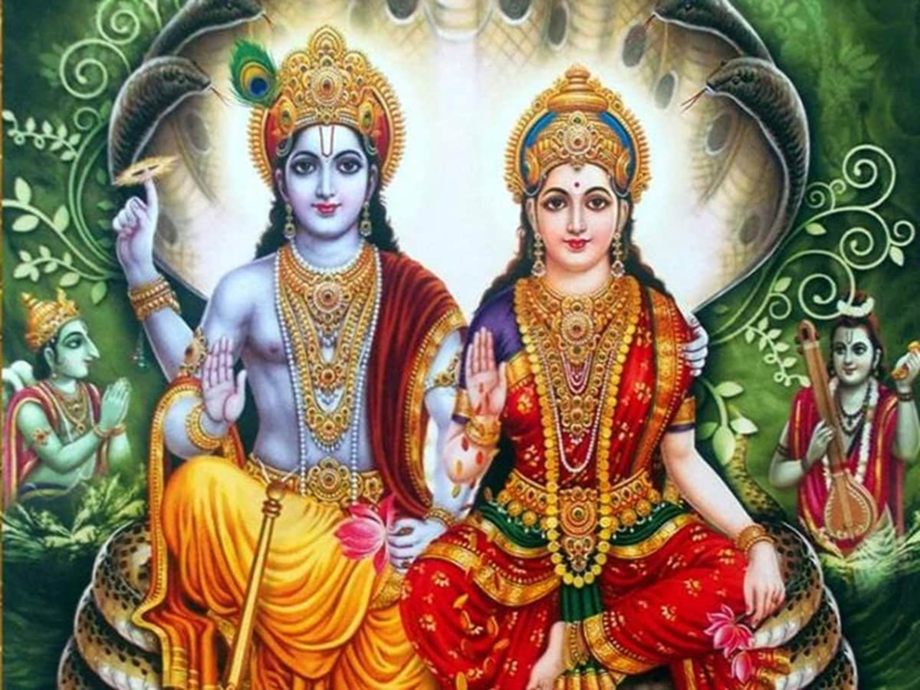
A Divine Story That Brings Liberation to the Ancestors
According to the story of this Ekadashi described in the Padma Purana, in ancient times, a king named Vaikhanasa lived in the beautiful Champak city, a city inhabited by Vaishnavas. He cared for his subjects like his own sons. One night, the king dreamt of his ancestors in lower forms, begging him to free them from hell. Seeing them in this state, the king was astonished. In the morning, he told the Brahmins about his dream. At the Brahmins' request, the king visited the hermit Parvat Muni. With the sage's permission, the king observed the Mokshada Ekadashi fast with due rituals to attain salvation for his ancestors and bestowed the virtue of the fast upon all his ancestors.
With this blessing, flowers began to rain from the sky. Vaikhanasa's father, along with his ancestors, was freed from hell and, rising to the sky, spoke these sacred words to the king: "Son, may you be blessed." With these words, he ascended to heaven.
PC Social Media