
LIFESTYLE
National Epilepsy Day 2025: Does the habit of using the phone till late night trigger epileptic seizures?

For most people, late-night scrolling is just a small pastime, but for some, this habit can profoundly impact brain function. Especially for those with epilepsy or a high seizure tendency, this late-night scrolling can be a serious trigger (Epilepsy Seizure Triggers). Let's learn more from Dr. Rajneesh Kumar (Principal Director and Unit Head, Neurology, Max Super Speciality Hospital, Dwarka).
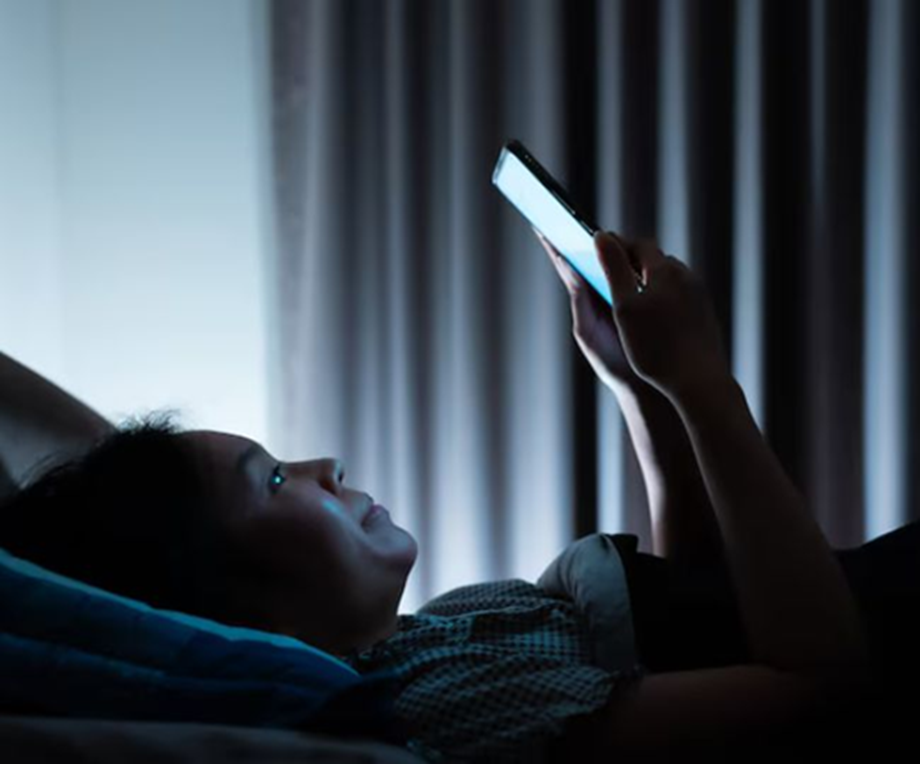
How does screen light affect the brain?
When we look at our phones at night, our eyes are repeatedly exposed to fast and changing visuals. The flashing reels on the screen, the flashing advertisements, and the constantly changing colors can all cause disruptions in the brain's electrical activity. This effect is even more severe in some people, especially those with photosensitive epilepsy—that is, seizures are triggered by bright light or patterns.
You may not feel it while scrolling, but a sudden flash of video or flashing graphics can stimulate the brain. This stimulation can trigger a seizure in some people.
Lack of Sleep is the Biggest Trigger
A major disadvantage of looking at the phone at night is poor sleep quality. The blue light emitted from screens suppresses sleep-inducing hormones, delaying sleep. For people with epilepsy, sleep is not just a source of rest but also a vital foundation for mental stability.
Staying up late
Constantly looking at screens
Overstimulating the brain
All of these factors contribute to sleep deprivation, and sleep deprivation is a common trigger for seizures. People often think, "I'll just look at my phone for 10 minutes"—but those 10 minutes turn into an hour, reducing the brain's time to rest.
Social Media Stress Also Increases the Risk
Sometimes we go to our phones to relax, but we leave with even more stress. Fast-paced news, debates, and the pressure of social media all contribute to mental stress. Mental stress itself is a potential trigger for seizures. And when stress, lack of sleep, and screen time combine, the risk increases even further.
What to do?
If you feel that late-night scrolling is affecting your health, there are some simple steps you can take:
1) Turn off your phone at least an hour before bed.
It may seem difficult at first, but it's the best way to calm your mind.
2) Keep the room lights dim and reduce the brightness of your screen.
Avoid sudden visual changes.
3) Engage in quiet activities at night.
Reading a book, listening to soft music, or writing a journal—these all help relax the mind.
4) If you have epilepsy or notice any unusual symptoms after using screens, consult a doctor.
Keeping a record of sleep, screen time, and stress can help identify triggers.
Why is awareness important?
Scrolling on your phone late at night has become a common habit, but the risks behind it often go unnoticed. Especially for those with pre-existing brains, this seemingly simple habit can become a major problem. Small changes can not only calm your mind but also prevent potential seizures.
PC Social Media