
LIFESTYLE
Navratri 2026: The nine forms of Maa Durga teach the art of living; get blessings this Navratri..
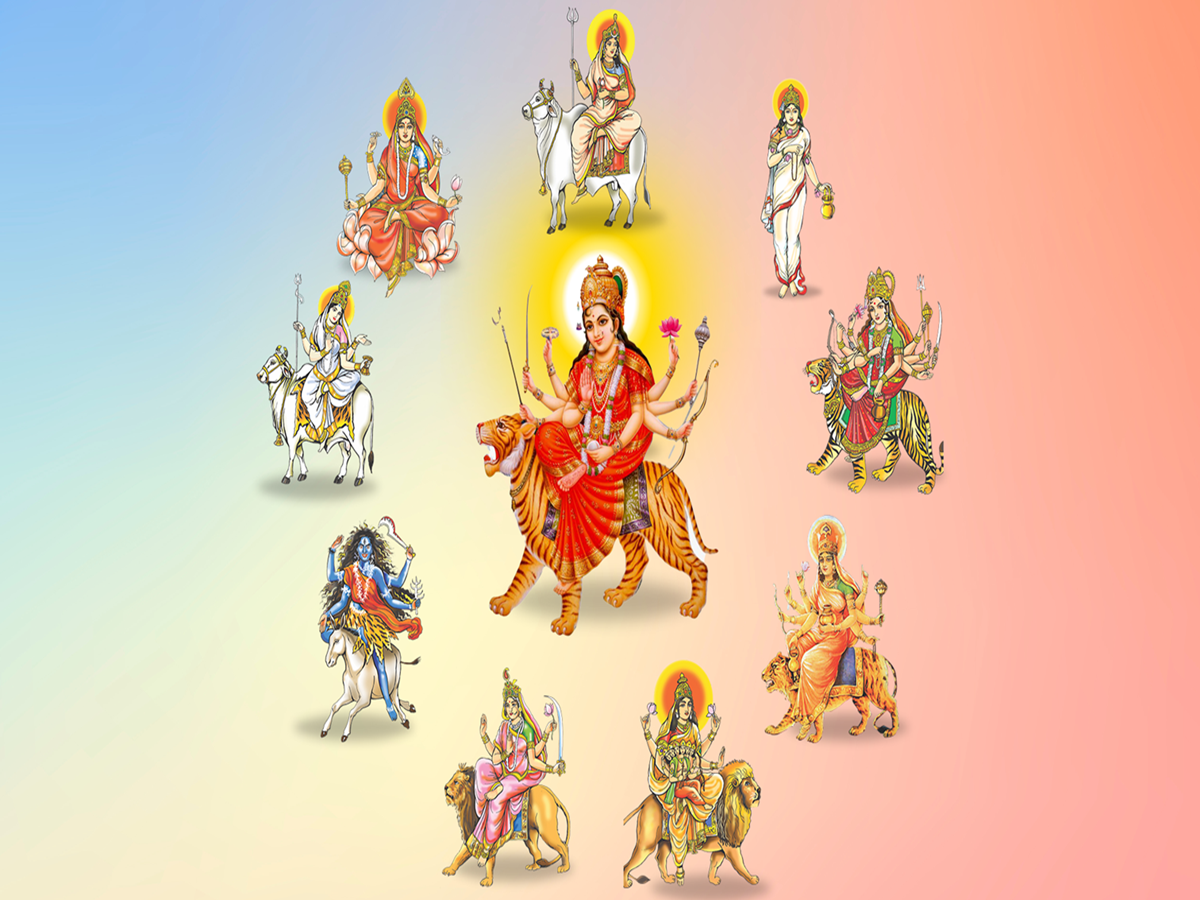
The sacred festival of Chaitra Navratri celebrates the union of nature and power. These nine days, beginning this year on March 19, 2026, are highly auspicious for receiving the special blessings of Goddess Durga. Navratri is not just a time for fasting and abstinence, but an opportunity for the right conduct of our lives and inner purification.
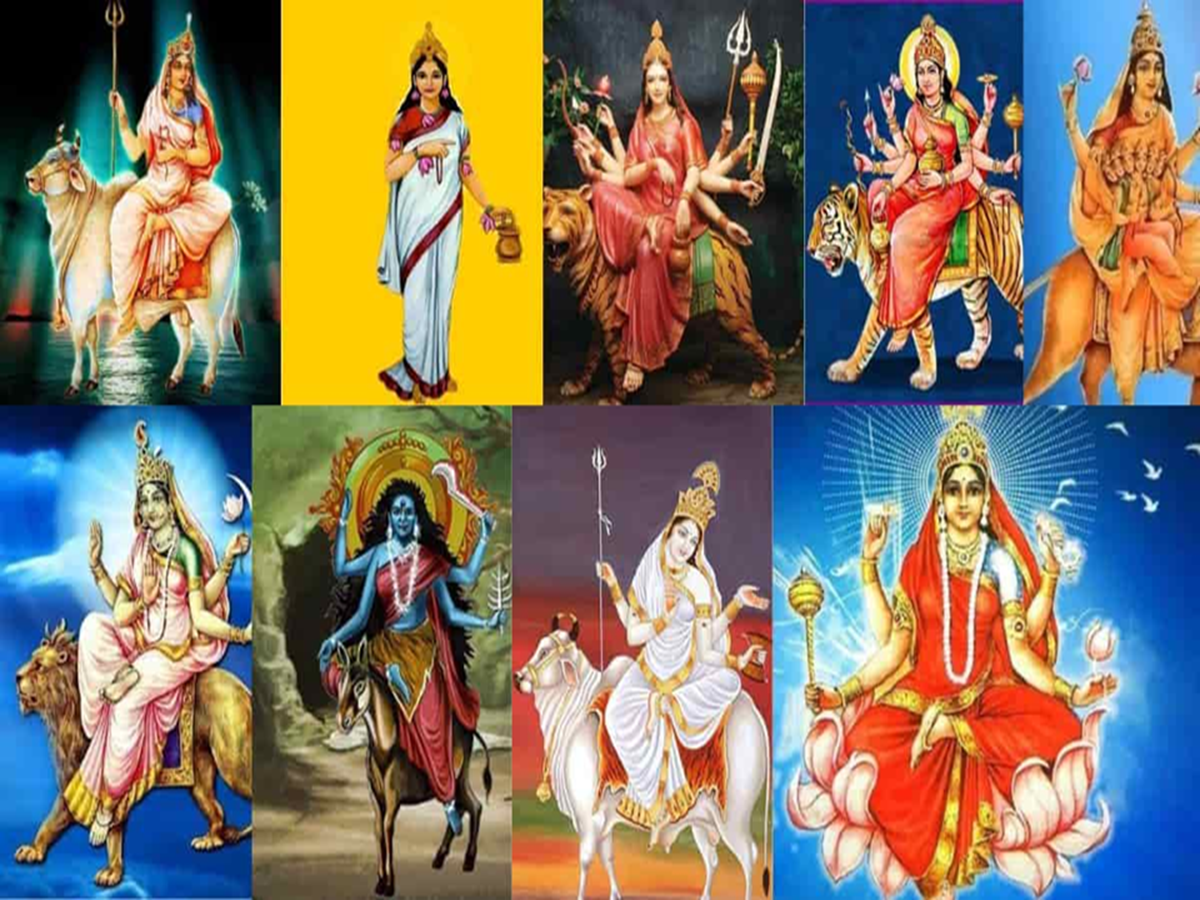
The nine different forms of Goddess Durga teach us the art of living and empower us to overcome negativity within. Devout meditation during these nine days eliminates fears about the future and brings ease to life.
The Mother's First Three Forms: Power and Restraint
The first three days of Navratri are dedicated to those forms of the Mother Goddess that strengthen the foundation of our lives.
On the first day, Goddess Shailputri is worshipped, symbolizing stability and determination.
On the second day, Goddess Brahmacharini inspires us to persevere even in the face of difficult struggles and to remain steadfast.
On the third day, Mother Chandraghanta, adorned with a bell-shaped moon on her forehead, is worshipped; she calms our minds and bestows courage.
Worshipping these forms brings prosperity to the family and prepares one mentally to fulfill one's greatest desires.
The Three Middle Forms: Creation and Love
From the fourth to the sixth day, the forms of the Mother Goddess associated with the creation and nurturing of the world are worshipped. On the fourth day, Mother Kushmanda, whose gentle smile gave birth to the universe, is worshipped; she bestows health and good fortune.
On the fifth day, Mother Skandamata, the embodiment of motherly love and the alleviation of worries related to children, is worshipped.
On the sixth day, Mother Katyayani, who slew Mahishasura, is worshipped; she bestows victory over enemies and freedom from obstacles. Expressing gratitude to Mother Goddess during these days increases the possibility of progress in business and work.
The Final Three Forms: Purification and Siddhi
The final three days of Navratri are considered crucial for spirituality and the attainment of Siddhi. On the seventh day, Maa Kaalratri is worshipped, who destroys time and frees devotees from all fears.
On the eighth day, Maa Mahagauri, the embodiment of purity and peace, is worshipped; her grace washes away all sins in life.
On the ninth day, Maa Siddhidatri is worshipped, the bestower of all Siddhis. Worshipping her leads one to perfection in life and increases the likelihood of increasing one's father's wealth and honor.
The Spiritual Significance of Devotion and Aarti
During Navratri, daily Aarti and meditation of the Mother Goddess are essential. Morning and evening Aartis purify the home environment and foster mutual love. This is the time to place one's greatest desires before the Mother Goddess and surrender to her with complete devotion.
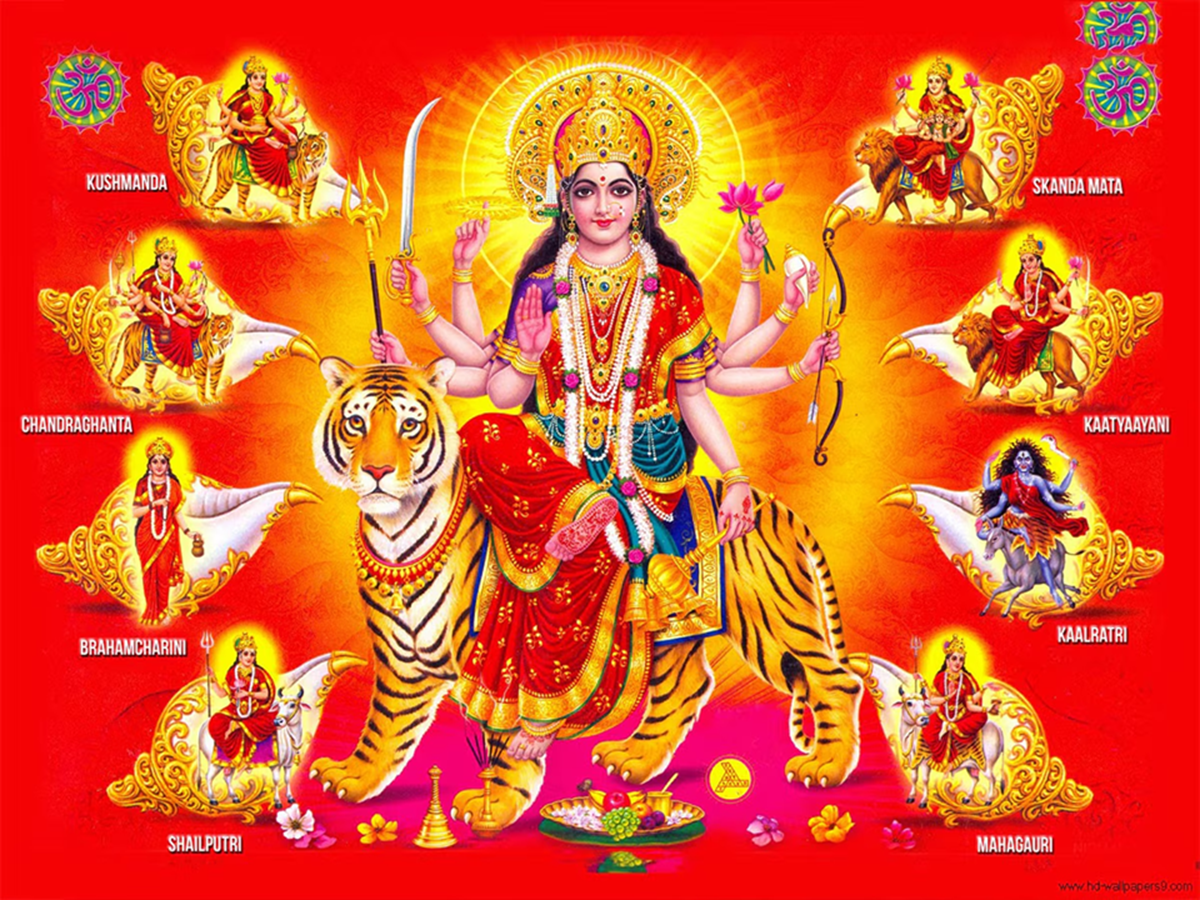
True devotion removes future obstacles and infuses new energy within one. When we serve our Mother with a spirit of devotion, she fills our homes with treasures and protects us from all dangers. Expressing gratitude to God is the true meaning of this festival.
PC Social Media