
LIFESTYLE
Navratri Day 5: On the fifth day of Navratri, Mother Skandamata—the presiding deity of progeny and wisdom—is worshipped..
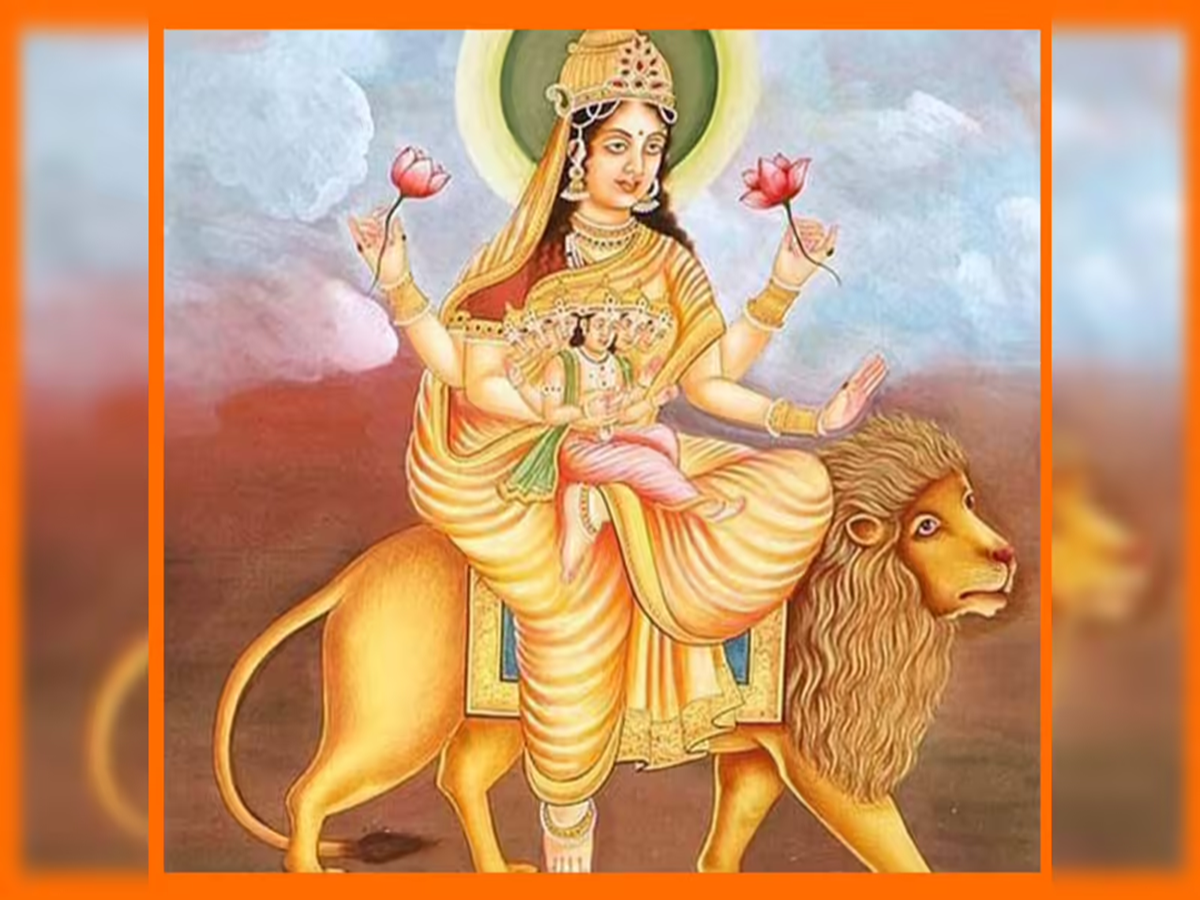
Navratri Day 5: On the fifth day of Navratri, the fifth manifestation of Mother Durga—known as *Maa Skandmata*—is worshipped. On this day, the mind of the spiritual seeker (*sadhak*) is centered within the *Vishuddha Chakra* (Throat Chakra). This fifth form of the Goddess is known as Skandmata because she is the mother of Lord Skanda (Kartikeya). Lord Skanda is also known by the name 'Kumar Kartikeya.' He served as the Commander-in-Chief of the Gods' army during the famous *Devasura Sangram* (the war between the Gods and the Demons). In the Puranas, his glory is extolled by referring to him as *Kumar* (the Youth) and *Shaktidhar* (the Bearer of Power); his divine vehicle is the peacock.

1. The Divine Form of Skandmata
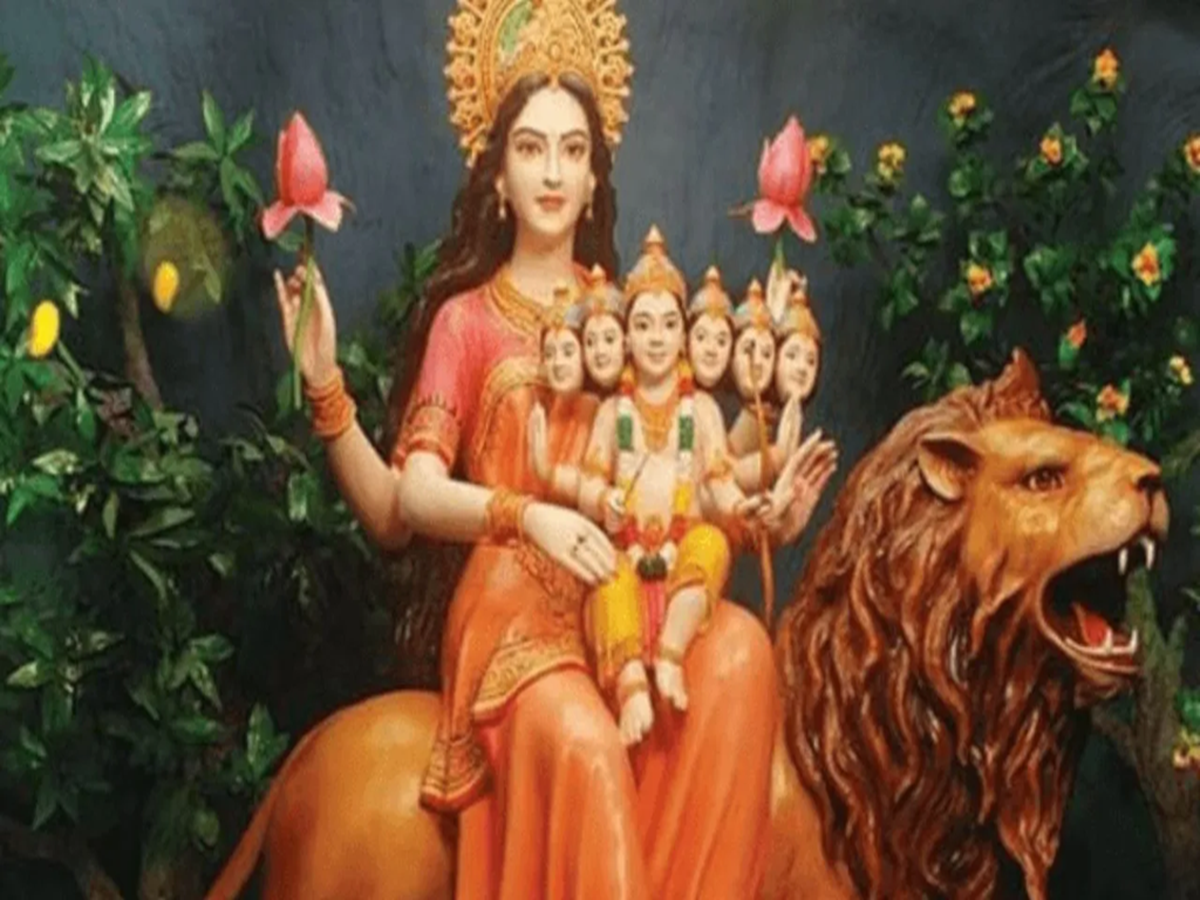
In the iconography of Skandmata, Lord Skanda is depicted sitting in her lap in the form of a child. According to the scriptures, the Goddess—who embodies the form of Skandmata and rides upon a lion—possesses four arms. In her upper right arm, she holds the child Kartikeya in her lap, while her lower right arm holds a lotus flower. With her upper left arm, she forms the *Varada Mudra* (the gesture of granting boons) for the salvation of the world, and her lower left arm holds another lotus flower. Her complexion is described as completely pure and radiant white, and she is seated upon a lotus pedestal; for this reason, she is also referred to as *Padmasana Devi* (the Goddess seated on a lotus).
2. The Spiritual Significance of the *Panchami Tithi* (Fifth Lunar Day)
The scriptures ascribe immense significance to the fifth day of Navratri worship. On this day, all external activities and mental fluctuations (*chittavrittis*) of the spiritual seeker dissolve, and he or she begins to advance toward the realization of pure consciousness. The mind, liberated from all worldly, material, and illusory bonds (*Maya*), becomes completely absorbed in the divine form of *Padmasana Maa Skandmata*.
3. The Fruits of Worshipping Skandmata
Through the spiritual practice (*sadhana*) dedicated to Skandmata, seekers attain good health, wisdom, and knowledge. Worship of the Goddess fulfills all the desires of the devotee, leading to an experience of supreme peace and bliss. A unique feature of worshipping Skandmata is that it simultaneously constitutes the worship of Lord Kartikeya (in his child form); this distinct privilege is associated solely with her worship.
4. Radiance, Luster, and Spiritual Advancement
As the presiding deity of the Solar Sphere, she bestows upon her devotees an extraordinary radiance and luster. A distinct aura manifests within the seeker's personality, serving as a sign of their spiritual elevation.
5. The Significance of Blessings for Progeny and Freedom from Disease
One should worship Skandamata to attain the joy of progeny and freedom from ailments. It is believed that worship performed with true devotion resolves difficulties related to one's children and ushers in happiness and prosperity within the family.
6. Worship Rituals
Beautiful colors are used to adorn the Mother Goddess. Skandamata and Lord Kartikeya should be worshipped with humility. The worship ceremony should involve offerings of *kumkum* (vermilion), *akshat* (sacred rice), flowers, fruits, and similar items. Apply sandalwood paste and light a *ghee* lamp before the Mother Goddess. On this day, bananas should be offered as *Bhog* (sacred food offering) to Goddess Durga, and this *Prasad* should subsequently be distributed to a Brahmin; performing this act is believed to foster the development of one's intellect.
PC Social Media


