LIFESTYLE
Neither completely straight nor completely gay: What is heteroflexibility, which is rapidly changing people's perceptions?
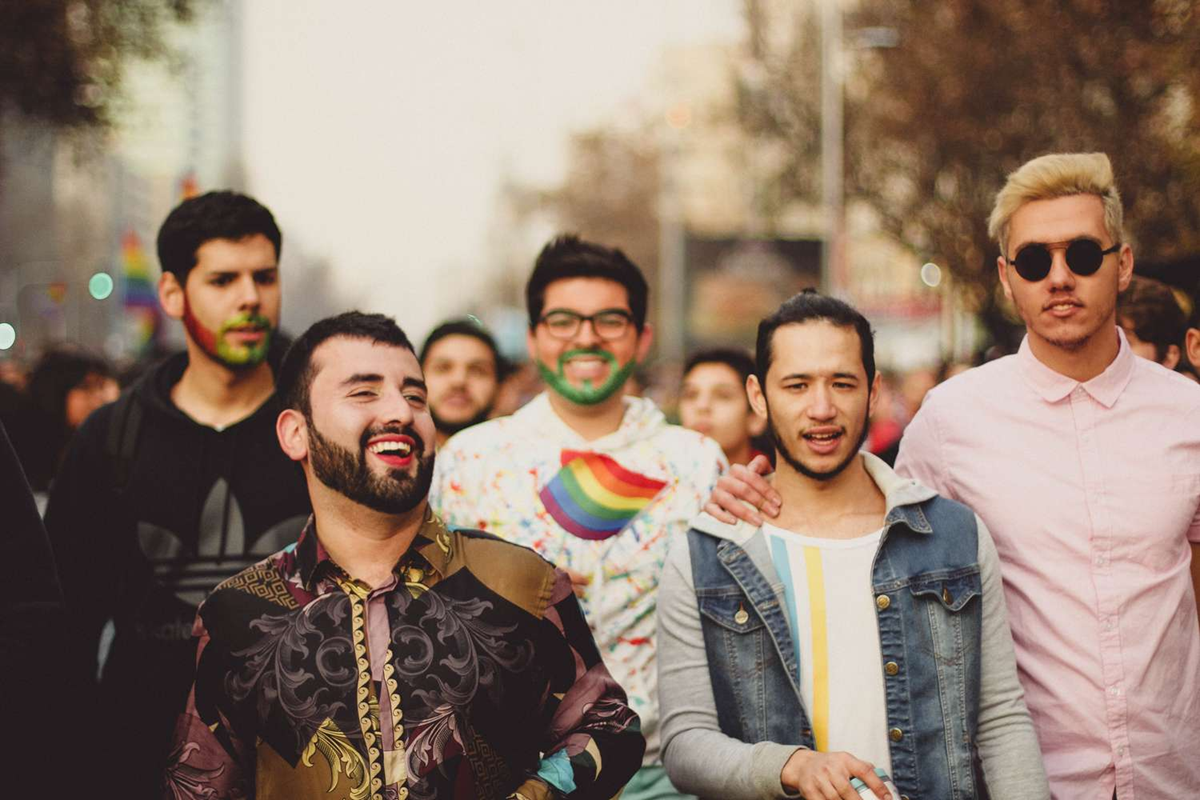
These days, not everyone fits neatly into the old, rigid labels created by society. As conversations around sexuality and gender become more open, new terminology is emerging.

This is giving a name to feelings that people have long experienced but haven't been able to articulate. One such term is heteroflexibility. In fact, it's no longer confined to dating apps but has become part of mainstream discussion.
What is heteroflexibility?
Simply put, heteroflexibility is a term used for people who primarily identify as heterosexual or straight, but who occasionally experience attraction to or are open to relationships with people of the same sex.
This doesn't mean they cease to be entirely straight, nor does it mean they are consistently attracted to the same sex. Instead, the term allows for "exceptions"—those moments of curiosity or connection that don't quite fit into a strictly heterosexual framework. According to psychology, this identity acknowledges that sexual attraction can be fluid rather than fixed.
Why is this term suddenly becoming popular?
According to the Field's Raw 2025 report, heteroflexibility is one of the fastest-growing sexual identities on dating platforms. The number of users choosing this label has increased by 193 percent in the last year.
This surge reflects people's comfort with language rather than a major shift in behavior. For many, heteroflexibility provides a way to acknowledge their feelings or experiences without having to adopt a more rigid label.
How is it different from bisexuality? The main difference between the two lies more in self-identification than in behavior:
Bisexuality: This typically means experiencing consistent attraction to more than one gender.
Heteroflexibility: This term is often used by people who primarily identify as straight, but with occasional exceptions.
Some people find the term heteroflexibility more accurate for their situation than bisexuality, while for others, it may be a temporary stage in their journey of self-discovery.
Who is using this label?
Data suggests that the largest group adopting this term is millennials, making up nearly two-thirds of this group. They are followed by Gen Z (18%) and Gen X (15.5%).
Geographically, Berlin has seen the highest number of people using this label. Research in the US indicates that approximately 15 percent of people identify as heteroflexible. This includes those who have previously experienced same-sex relationships, those who consider themselves "bi-curious," or those who are open to same-sex experiences even while in heterosexual relationships.
The debate over the "gray area" of attraction
As the term gains popularity, it is also facing criticism. Some in the bisexual and pansexual communities believe that heteroflexibility could dilute identities that have historically struggled for recognition. Some also question whether new labels are complicating things rather than clarifying them.
Despite this, the increasing use of heteroflexibility is evidence that attraction doesn't always follow a fixed pattern. For many people, this term is the most accurate way to describe their real-life experiences.
PC Social Media