
LIFESTYLE
Nirjala Ekadashi 2026: Observe This Sacred Fast Once to Receive the Blessings of All 24 Ekadashis
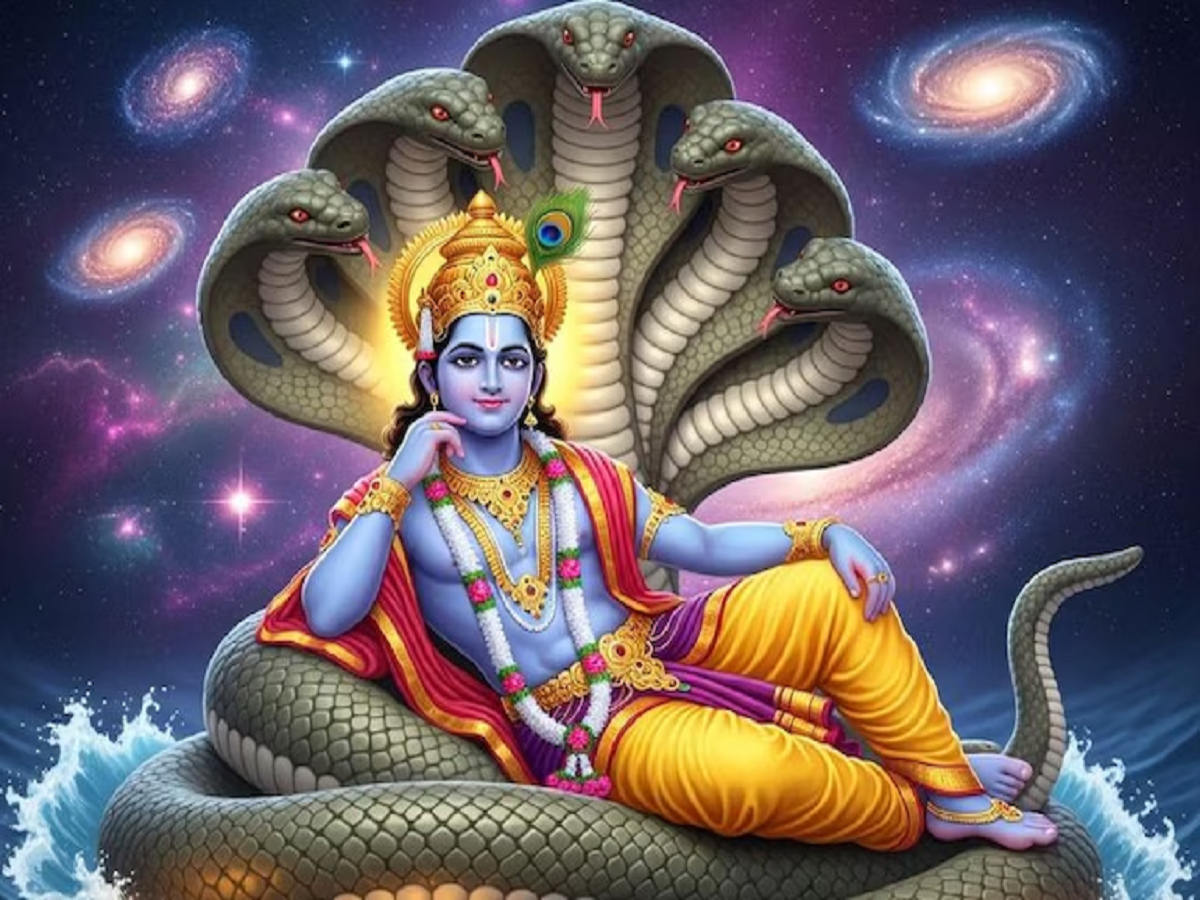
Nirjala Ekadashi is considered one of the most powerful and spiritually significant Ekadashi fasts in Hindu tradition. Devotees believe that observing this single fast with complete devotion grants the same spiritual merit as observing all 24 Ekadashi fasts celebrated throughout the year.
Known for its strict rules and deep religious importance, Nirjala Ekadashi is observed without consuming food or even water, making it one of the toughest fasting rituals in Hinduism. The fast is dedicated to Lord Vishnu and Goddess Lakshmi and is believed to help devotees attain spiritual purification, prosperity, and divine blessings.
In 2026, Nirjala Ekadashi will be observed on Thursday, June 25.
Why Nirjala Ekadashi Is So Important
In Hindu scriptures, Nirjala Ekadashi is also popularly known as Bhimseni Ekadashi. According to religious beliefs, the fast was recommended by Maharishi Ved Vyas to Bhimsen from the Mahabharata, who found it difficult to observe every Ekadashi fast during the year.
As a result, Bhimsen was advised to observe only Nirjala Ekadashi with full dedication to receive the spiritual benefits of all Ekadashi fasts together.
Astrologers and spiritual scholars describe this Ekadashi as highly rewarding because devotees completely avoid both food and water from sunrise until the next day.
Many followers believe the fast helps in:
- Removal of sins
- Spiritual growth
- Mental peace
- Prosperity and happiness
- Blessings of Lord Vishnu
- Liberation and divine merit
Nirjala Ekadashi 2026 Date and Timings
According to traditional Hindu calendar calculations, the Ekadashi tithi will begin and end at the following times:
Ekadashi Tithi Begins
June 24, 2026 (Wednesday) at 6:12 PM
Ekadashi Tithi Ends
June 25, 2026 (Thursday) at 8:09 PM
Nirjala Ekadashi Fast Date
June 25, 2026 (Thursday)
Parana (Fast Breaking) Time
June 26, 2026 (Friday) between 5:25 AM and 8:13 AM
Devotees usually break the fast during the prescribed parana muhurat after offering prayers to Lord Vishnu.
How Nirjala Ekadashi Fast Is Observed
The rituals of Nirjala Ekadashi are performed with strict discipline and devotion.
Early Morning Bath and Sankalp
Devotees wake up before sunrise, take a holy bath, and make a vow to observe the fast sincerely.
Complete Nirjala Fast
Unlike many other fasting rituals, Nirjala Ekadashi traditionally requires devotees to avoid both food and water throughout the day.
Worship of Lord Vishnu
Special prayers are offered to Lord Vishnu and Goddess Lakshmi. Devotees often wear yellow-colored clothes and offer:
- Yellow flowers
- Tulsi leaves
- Sandalwood
- Incense and lamps
- Fruits and sweets
Mantra Chanting and Vishnu Sahasranama
Many devotees chant:
“Om Namo Bhagavate Vasudevaya”
and recite the Vishnu Sahasranama during the fast.
Ekadashi Katha and Aarti
Listening to the Nirjala Ekadashi vrat katha and performing Lakshmi Narayan aarti are also considered highly auspicious.
Donations Considered Auspicious on Nirjala Ekadashi
Religious traditions place great importance on charity and donations during Nirjala Ekadashi.
According to beliefs, donating useful summer items and food to the needy can increase the spiritual merit associated with the fast.
Commonly recommended donations include:
- Earthen pots or kalash
- Mangoes
- Watermelons
- Clothes
- Sattu
- Water and cooling items
Helping poor and needy people during this period is considered especially auspicious.
Spiritual Significance of the Fast
Followers of Hinduism believe Nirjala Ekadashi strengthens devotion, self-discipline, and spiritual awareness. Since the fast is observed during the hot summer month of Jyeshtha, abstaining from water symbolizes extreme dedication and control over physical desires.
Many devotees also believe that sincere observance of this fast helps remove negative karmas and attracts divine grace from Lord Vishnu.
Important Advice for Devotees
Since Nirjala Ekadashi involves complete fasting without water, health experts and spiritual leaders often advise elderly individuals, pregnant women, and people with medical conditions to consult a doctor or follow modified fasting practices if needed.
Religious observances should always be performed according to one’s physical capability and health condition.
Disclaimer: This article is based on religious beliefs, Hindu scriptures, and traditional practices. Spiritual results and rituals may vary according to personal faith and regional traditions.