
LIFESTYLE
Nirjala Ekadashi: How to observe the Nirjala Ekadashi fast amidst scorching, life-threatening heat? When is it permissible to drink water?
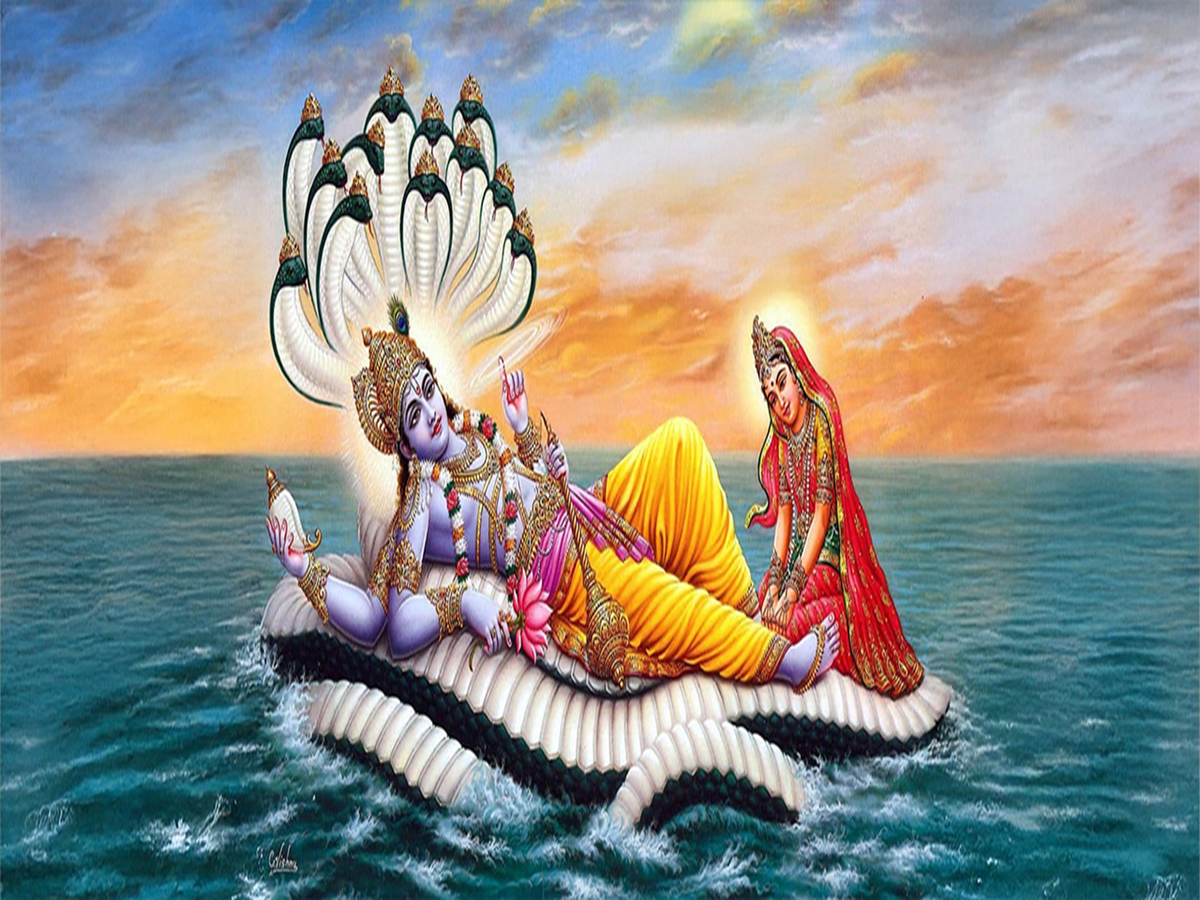
Nirjala Ekadashi 2026 Rules: Currently, the heat is scorching, and to make matters more intense, the *Nautapa* (the nine hottest days of the year) is underway. This year, the Nirjala Ekadashi fast falls on June 25th; by then, the *Nautapa* will have concluded, but the intense heat of the month of *Jyeshtha* will persist. The month of *Jyeshtha* is characterized by severe heat, making it difficult to survive without water. As the name "Nirjala Ekadashi" itself suggests, this is an Ekadashi fast observed *nirjala*—meaning "without water." Consequently, during this fast, one abstains not only from food and fruits but also from consuming even a single drop of water. The Nirjala Ekadashi fast is observed on the *Ekadashi Tithi* (lunar day) of the *Shukla Paksha* (waxing phase of the moon) in the month of *Jyeshtha*. Given these circumstances, the question arises: how is one to observe the Nirjala Ekadashi fast amidst such scorching heat? Will drinking water invalidate the fast? Let us find out what the rules dictate.
Nirjala Ekadashi 2026 Auspicious Timings (*Muhurat*)
Commencement of *Jyeshtha Shukla Ekadashi Tithi*: June 24, 06:12 PM
Conclusion of *Jyeshtha Shukla Ekadashi Tithi*: June 25, 08:09 PM
Nirjala Ekadashi Worship Timings (*Puja Muhurat*): June 25, from 05:25 AM to 02:09 PM
Will Drinking Water Break the Nirjala Ekadashi Fast?
This is no ordinary Ekadashi fast. Among the 24 annual Ekadashi fasts, this is the *only* one during which the consumption of both food and water is strictly prohibited. During other Ekadashi fasts, one is permitted to consume fruits, juices, water, milk, etc.; however, Nirjala Ekadashi is observed entirely without water. If you were to consume even a single drop of water—even inadvertently—your fast would be considered broken, and the observance would be rendered fruitless.
Rules for the Nirjala Ekadashi Fast
According to the narrative attributed to Sage Vyasa, if one is unable to observe all 25 Ekadashi fasts throughout the year (including those falling during *Adhikmas*—the intercalary month), observing the Nirjala Ekadashi fast alone yields the spiritual merit equivalent to observing every single Ekadashi fast of the entire year.
A person observing the Nirjala Ekadashi fast must not consume even a single drop of water after completing their ritual bath. If you consume even a single drop of water in any form, the fast will be considered broken. Therefore, for those contemplating observing the Nirjala Ekadashi fast while consuming a little water, this is simply not possible.
Among the five Pandavas, Bhima once asked Sage Vyasa to suggest a method through which one could spontaneously attain *Sadgati* (spiritual liberation or a virtuous afterlife). In response, Vyasa told him that since he was unable to observe all the Ekadashi fasts throughout the year, he should observe just the Nirjala Ekadashi fast. By observing this single fast, he would reap the spiritual rewards equivalent to observing all the Ekadashi fasts for the entire year.
Bhimsena suffered from an insatiable appetite and found it impossible to go without food or drink. However, on Nirjala Ekadashi, he neither consumed any food nor drank any water. Along with this crucial stipulation, you must also strictly adhere to all other rules and regulations associated with the fast.
**Water Usage Permitted Only Twice**
Sage Vyasa informed Bhima that during Nirjala Ekadashi, the use of water is permitted only twice. The first instance occurs during the *Brahma Muhurta* (the auspicious pre-dawn period) when you take your ritual bath. The second instance is when you perform *Achaman* (ritual sipping of water) while taking the solemn vow (*Sankalp*) to observe the fast. Apart from these two instances—the bath and the *Achaman*—no further consumption of water is permitted during this fast.
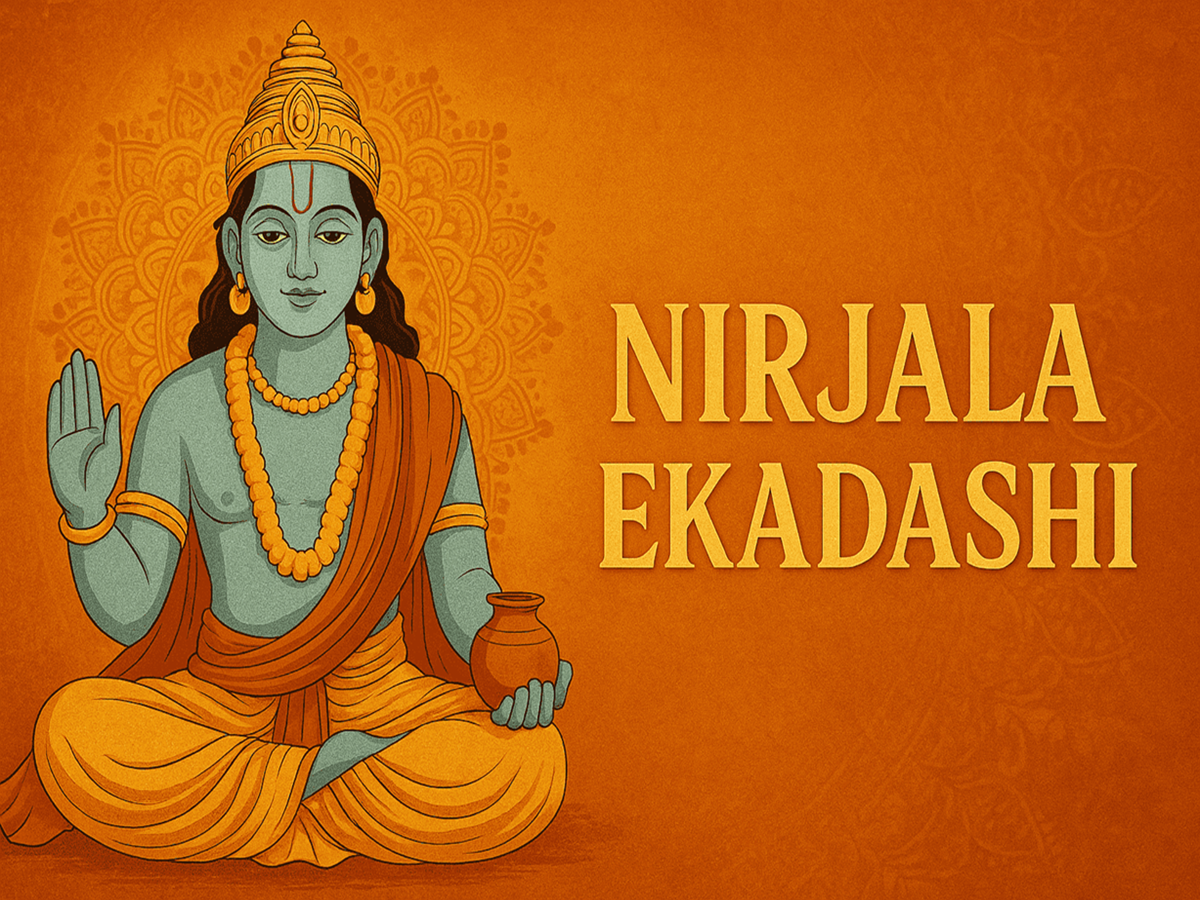
**When to Drink Water on Nirjala Ekadashi?**
During the Nirjala fast, people often tend to drink water after midnight (12:00 AM) or after sunrise on the following day. However, doing so results in breaking of the fast. In the context of the Nirjala Ekadashi fast, water should be consumed only after the *Hari Vasara* period has concluded. *Hari Vasara* refers to the initial segment of the *Dwadashi* Tithi (the twelfth lunar day), which marks the beginning of the *Parana* (the act of breaking the fast). However, the actual breaking of the fast (*Parana*) is not performed during this *Hari Vasara* period; the rules dictate that the fast must be broken only *after* the *Hari Vasara* has ended. On June 26th, the *Hari Vasara* for Nirjala Ekadashi will conclude at 01:42 AM; therefore, you may consume water only after this specific time.
PC Social Media