Food & recipe
No-Gas Cooking: Cooking Dal and Rice in a Kettle? These 5 Major Mistakes Could Cause Harm..
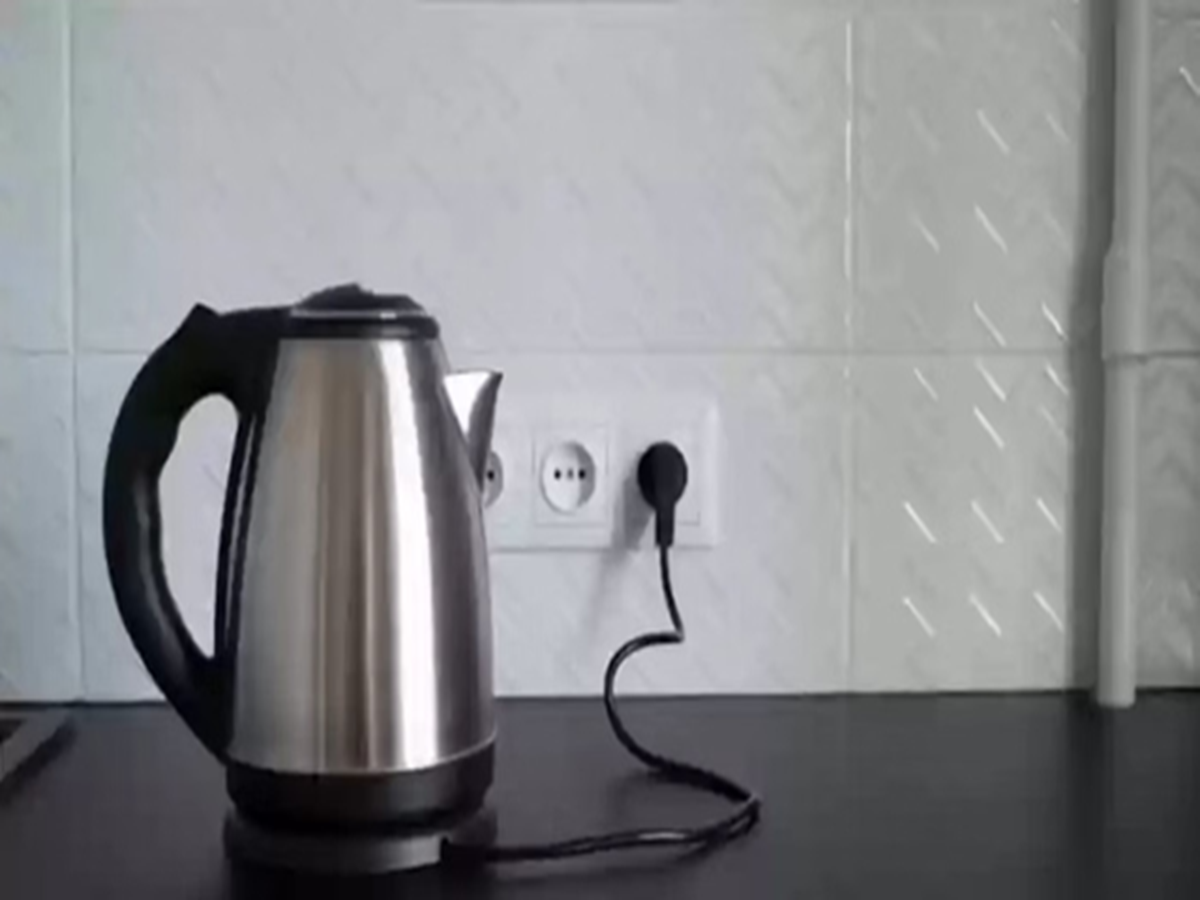
How to Cook Dal and Rice in an Electric Kettle: Ever since the shortage of LPG gas began, "no-gas cooking" has been trending rapidly. Especially during the summer months, this method can prove to be both a relief and a cost-effective option. For students, bachelors, and travelers, tips and tricks for cooking without gas are particularly useful.
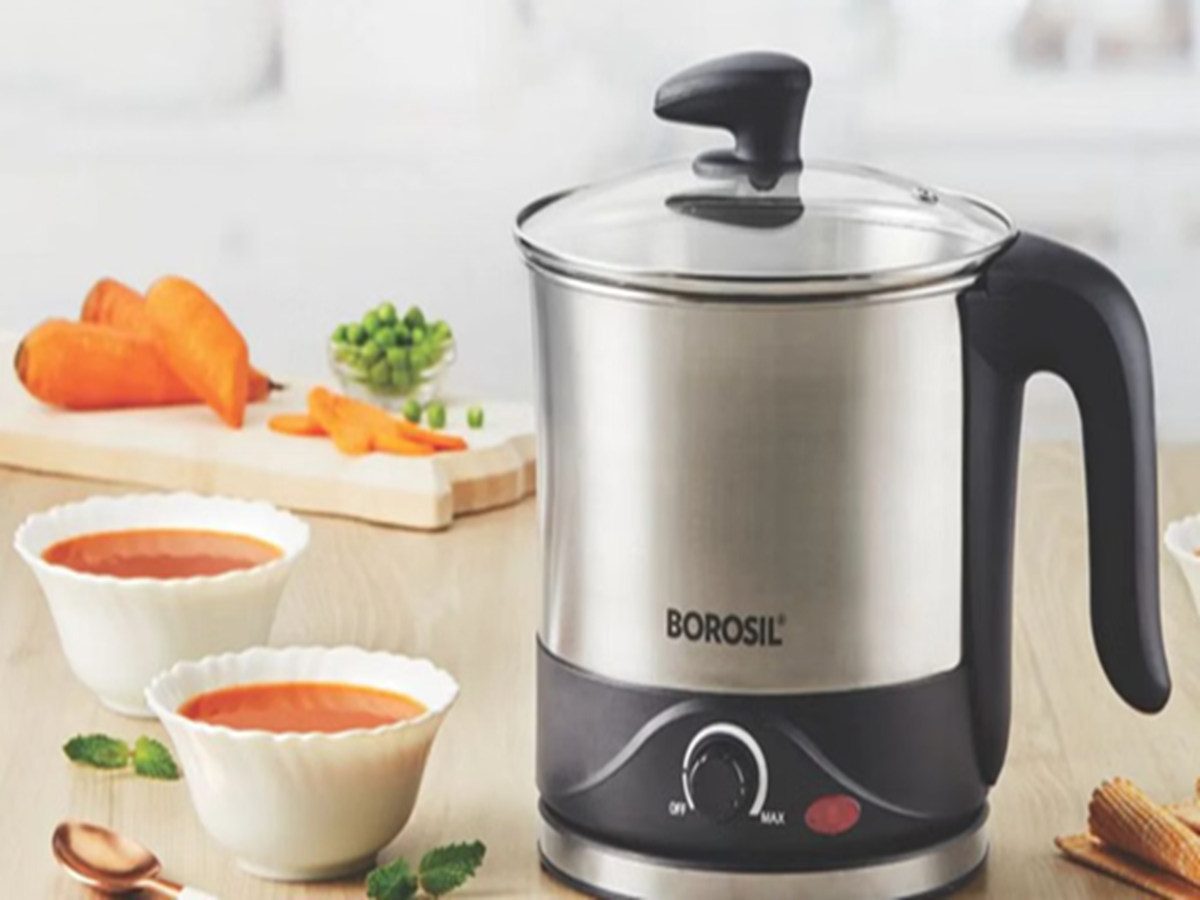
When gas is unavailable or kitchen facilities are limited, people often attempt to cook using small appliances such as an electric kettle. However, the question remains: is it truly possible to prepare traditional Indian meals—such as *Dal* (lentils) and *Chawal* (rice)—in an electric kettle?
Electric kettles are typically designed solely for boiling water; nevertheless, some individuals attempt to use them to cook items like instant noodles (Maggi), rice, eggs, and even lentils. While this approach may appear simple and time-saving, it is associated with several potential problems and risks.
In this article, discover the feasibility of cooking *Dal* and rice in an electric kettle, the potential issues you might encounter, and the precautions you should take to ensure safe usage. If you, too, are seeking alternatives for cooking without gas, the information provided here could prove to be invaluable.
Is It Possible to Cook Dal and Rice in an Electric Kettle?
Technically speaking, it is indeed possible to cook *Dal* and rice in an electric kettle; however, this is not considered a completely safe or appropriate method. Since the kettle is designed exclusively for boiling water, using it to cook solid food items can compromise its functionality and performance.
What Problems Might Arise?
Attempting to cook in an electric kettle may lead to the following issues:
Premature damage to the kettle
Delayed cooking times due to the "auto-cut" safety feature
Food particles (lentils or rice) are sticking to the heating element
Risk of overflow and electrical short circuits
Compromised taste and texture of the food
Difficulties in cleaning the appliance
What Risks Do People Often Overlook When Cooking?
Many people choose to disregard these potential risks and proceed to cook in their electric kettles regardless. Consider adopting these tips:
Cooking in small quantities
Adding water periodically during cooking
Controlling the boil by keeping the lid open
Using an inexpensive kettle
While these methods may work, they are not safe for long-term use.
Tips for Safe Usage
If you wish to cook in an electric kettle, keep the following points in mind:
Always add ingredients in small quantities.
Do not overfill the kettle.
Keep a close watch while cooking.
Clean the kettle immediately after use.
Use it only in emergencies.

Is It the Right Choice?
If you have no other alternative, an electric kettle can serve as a temporary solution. However, it is not suitable for daily cooking. Instead, an induction cooker or an electric rice cooker would be better alternatives.
PC Social Media