Parenting
Parenting: How to protect children from toxic air? Parents should definitely follow these 8 measures..
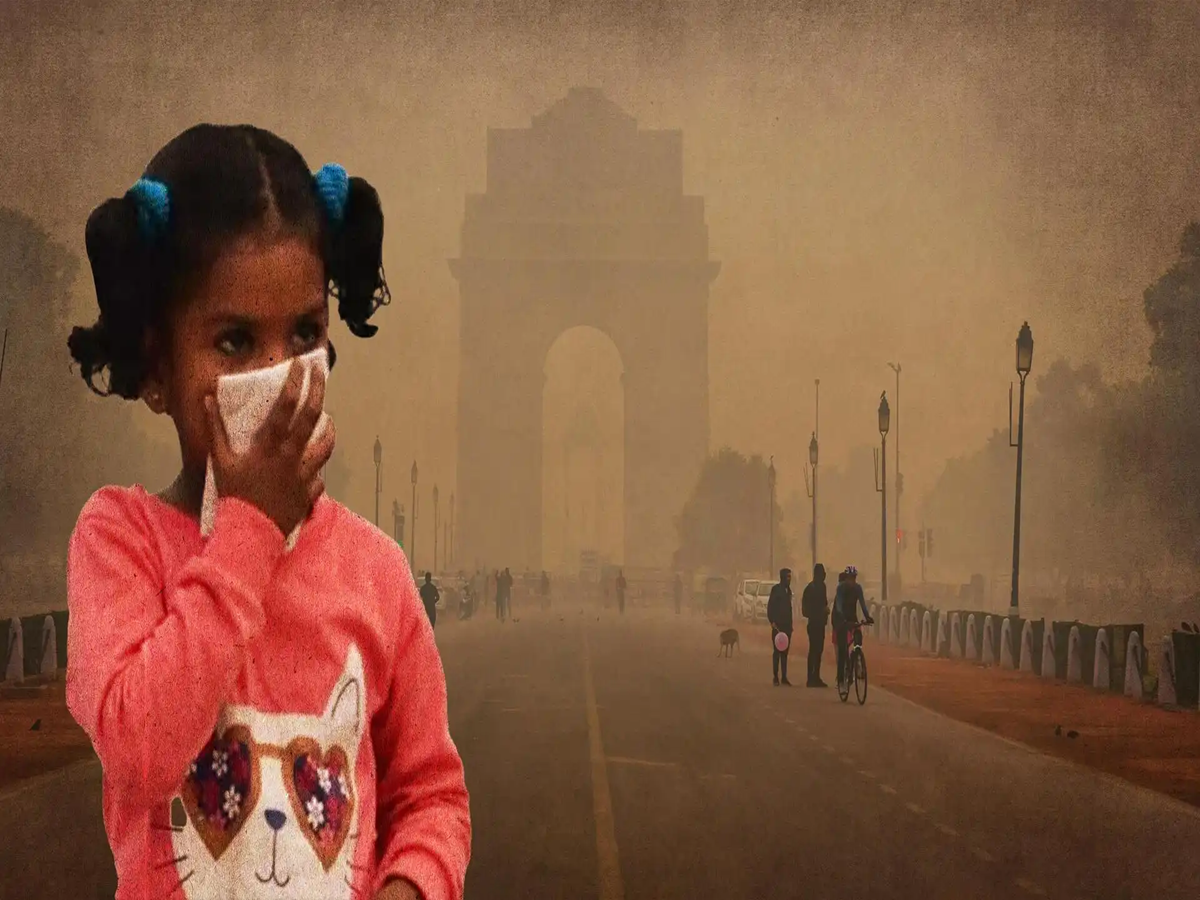
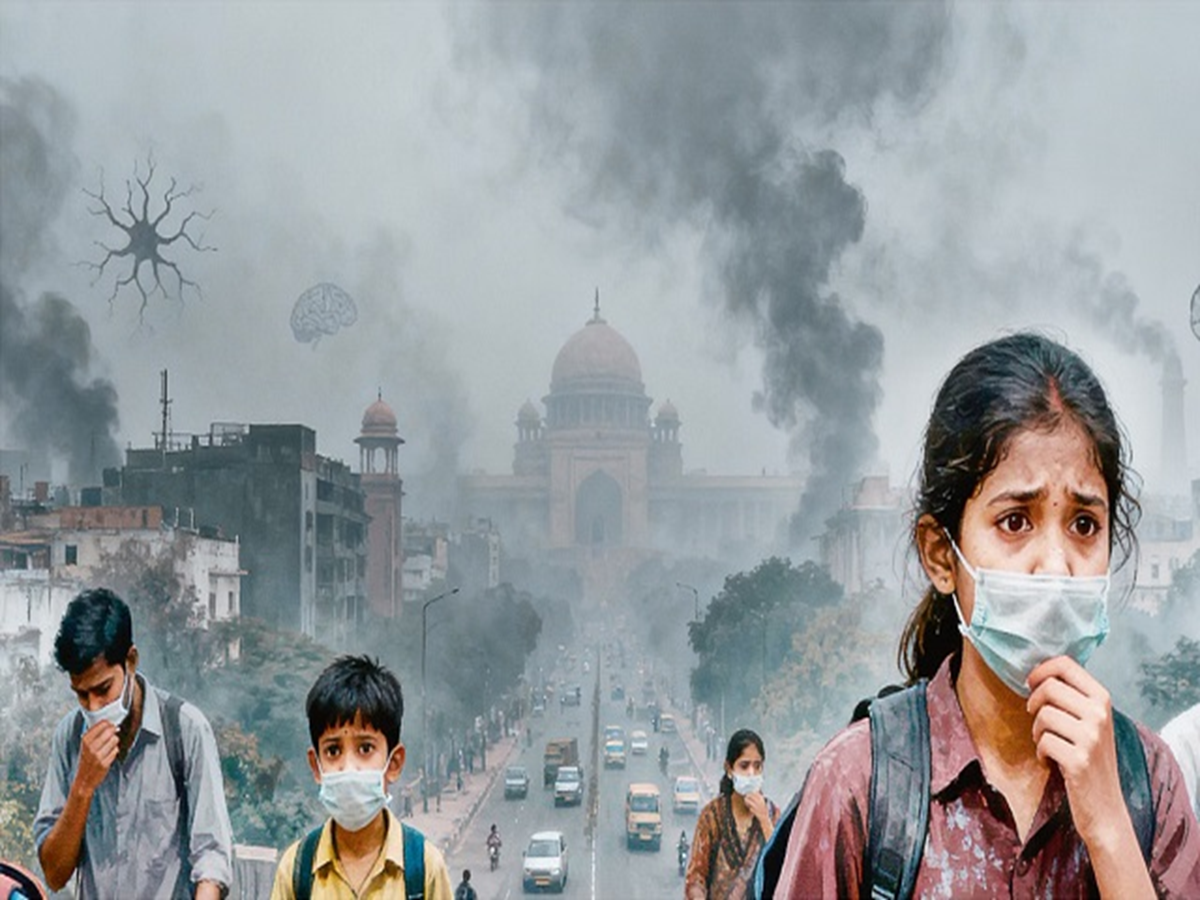
Air pollution levels in many cities across the country, including Delhi-NCR, are a growing cause for concern. Toxic air can have a particularly severe impact on the health of young children, as their lungs are not yet fully developed and their breathing rate is higher than that of adults. Fine particulate matter, such as PM2.5 and PM10, present in polluted air can put children at risk of issues like coughing, breathing difficulties, allergies, and asthma. Given this, it is crucial for parents to remain vigilant regarding their children's health.
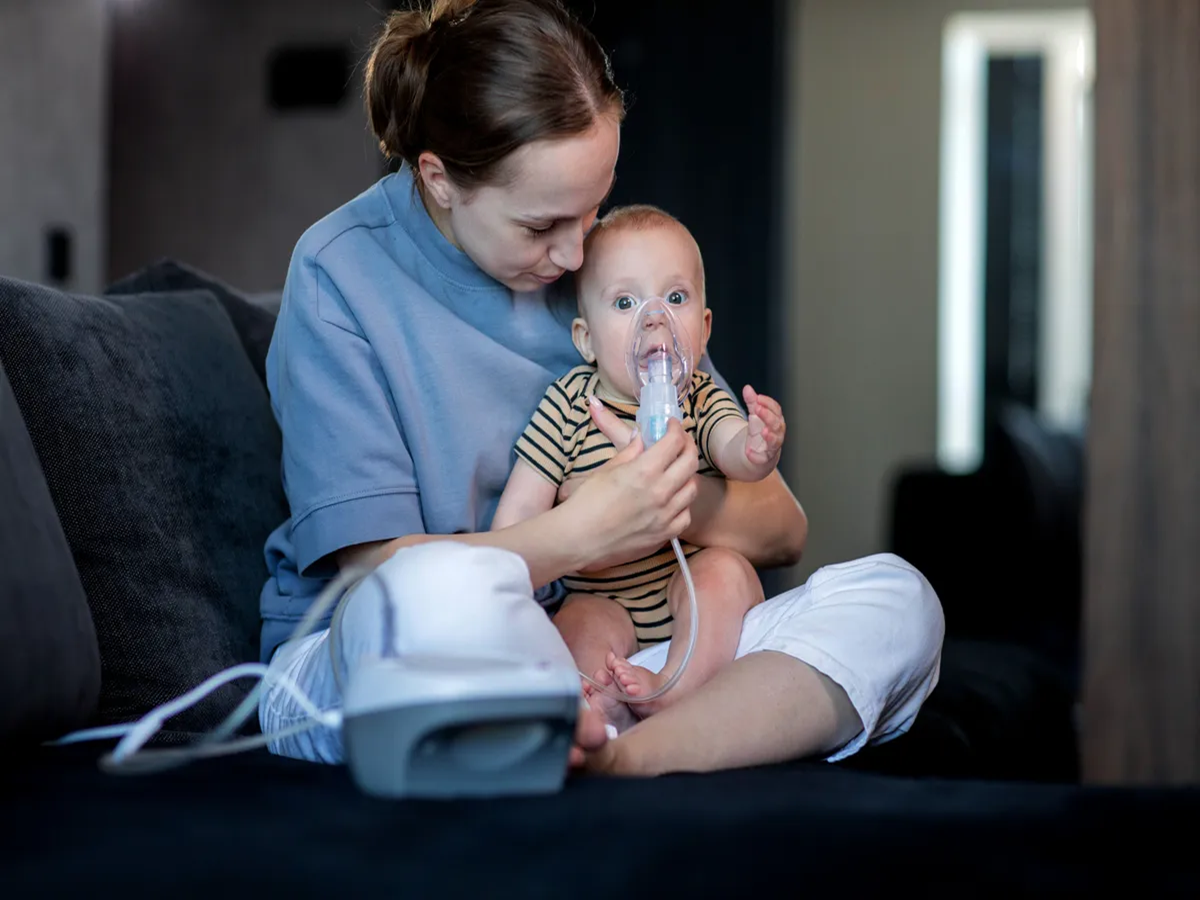
Especially when the Air Quality Index (AQI) reaches the 'poor' or 'very poor' category, careful attention should be paid to children's outdoor activities and playtime. Simple measures—such as keeping indoor air clean and ensuring children wear masks and follow necessary precautions when stepping outside—can help protect them from the effects of pollution. Let’s look at how to care for young children during this period of high pollution.
1. Do not send children outside without checking the AQI
In many cities, including Delhi-NCR, air quality can change rapidly. Always check the AQI for your area before letting children go out to play. If the air quality is poor, limit outdoor activities.
2. Monitor outdoor activities during the morning and evening
Avoid letting children spend long periods playing in parks, on streets, or in open grounds when pollution levels are high. Especially when the AQI is poor, move activities like running, cycling, or outdoor sports indoors.
3. Keep indoor air clean
Pollution can penetrate indoors as well. Decide when to open windows based on the local AQI. If necessary, consider using an air purifier equipped with a HEPA filter.
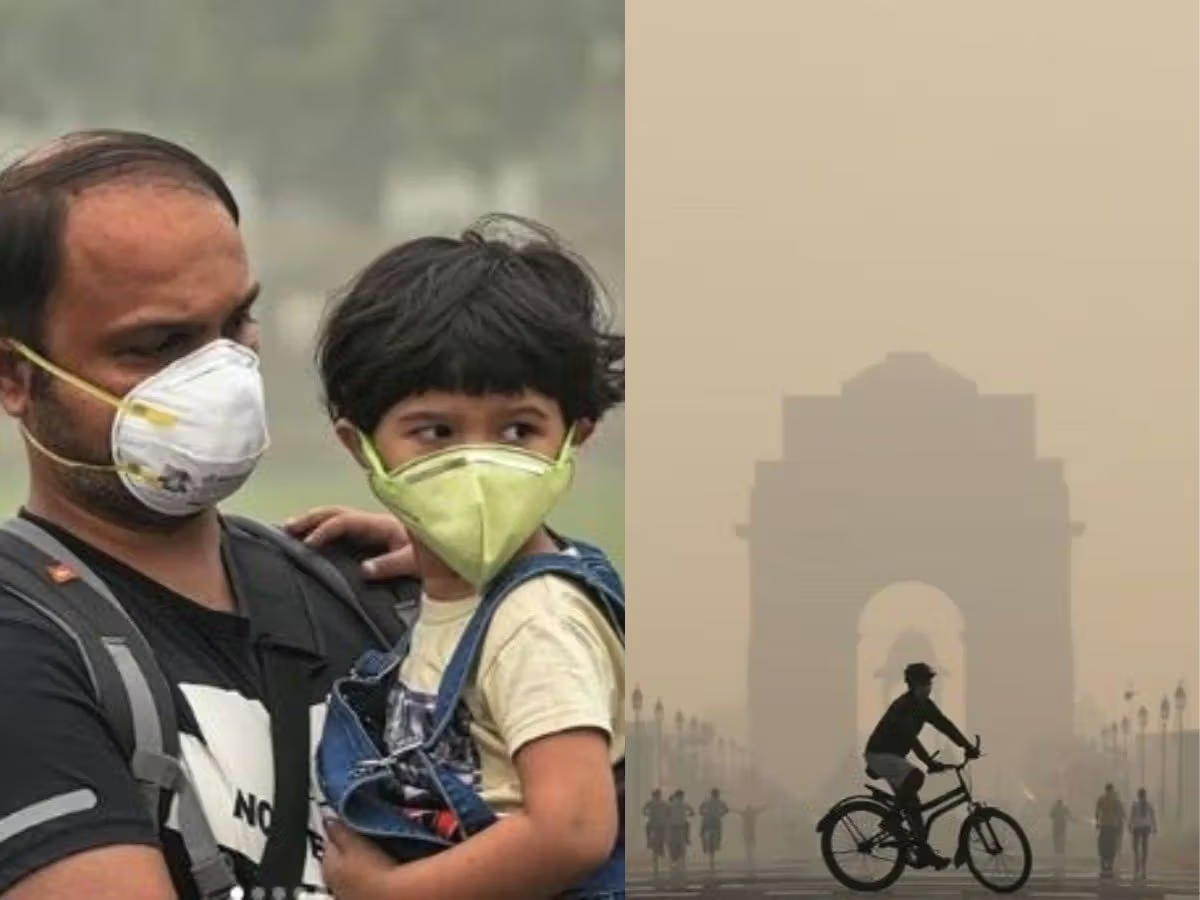
4. Ensure the use of a mask when going outside
If it is essential to go outside when pollution levels are high, ensure that children wear a well-fitted, age-appropriate mask. When having young children wear masks, consider their age and safety. Do not use masks for children under two years of age.
5. Keep children hydrated
Ensure children drink enough water throughout the day. Include fruits, green vegetables, and nutrient-rich foods in their diet. While this provides essential nourishment, a healthy diet alone does not offer complete protection against the effects of pollution.
6. Prevent the accumulation of smoke and dust at home
Avoid using incense sticks, *dhup* (incense), cigarettes, or any items that produce significant smoke indoors. Clean the home regularly; instead of dry-dusting—which stirs up dust—use a damp cloth to clean floors and furniture.
7. Do not ignore respiratory symptoms
Consult a doctor if a child experiences persistent coughing, shortness of breath, chest tightness, eye irritation, or wheezing. Seek immediate medical attention if the child faces severe difficulty breathing.
8. Explore indoor activity options for children
When pollution levels rise, keep children engaged at home with indoor games, painting, dancing, yoga, or other creative activities. This will help maintain their physical and mental activity levels.
PC Social Media