According to the famous American author Dale Carnegie, the real secret to friendship is taking an interest in others. He says, "If you want people to like you, you have to show genuine interest in them." The same applies to children. When we teach children to listen to others and appreciate them, they naturally become well-liked.
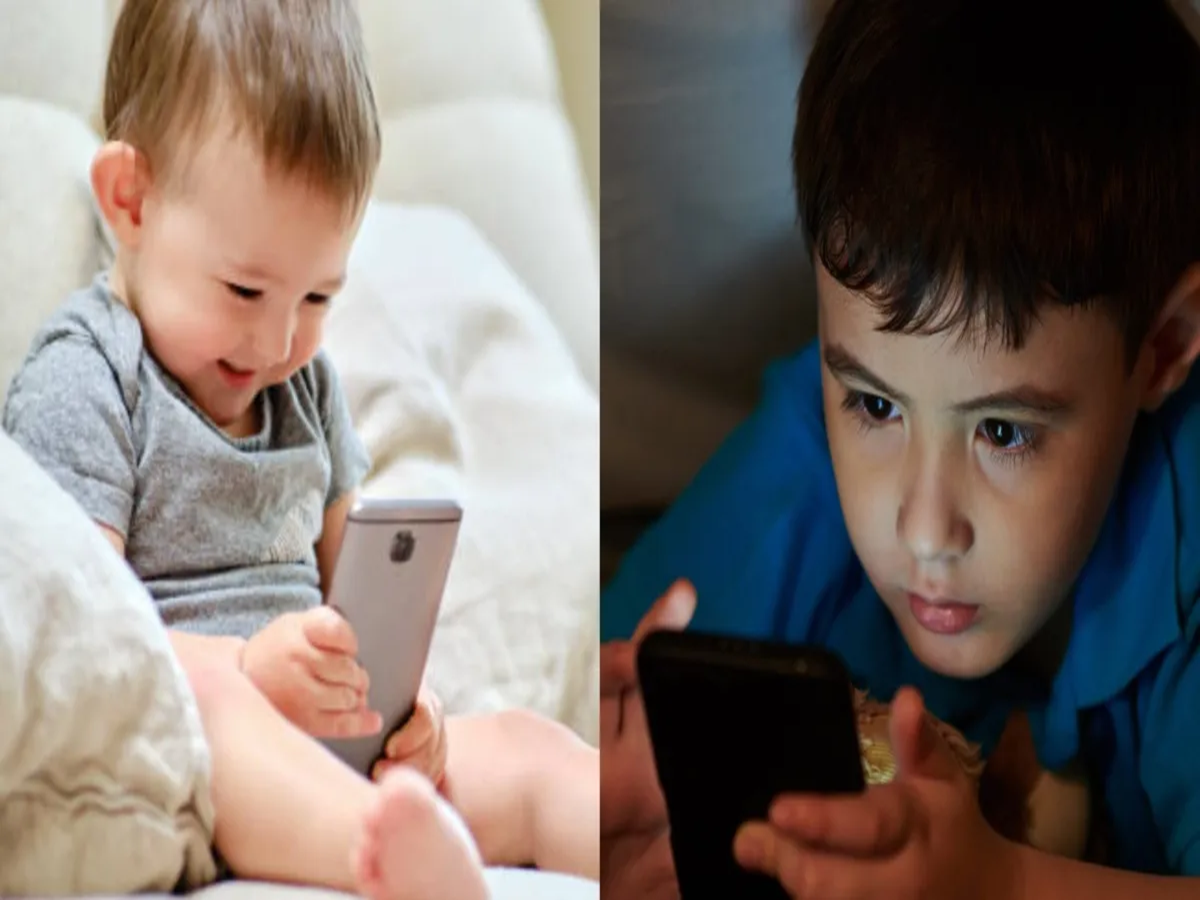
In today's digital world, children often feel isolated. They have difficulty interacting with new people. As parents, our biggest concern is that our child doesn't end up alone at school or in the park. Making friends isn't something that happens purely by chance; it's an art that we can lovingly teach our children.
Often, children remain silent out of fear of what others might think. Explain to them that a simple "hello" or "Can I play too?" can work wonders. For example, if a child is swinging in the park, the child can simply smile and ask, "Can we take turns swinging?" This small beginning is the first step towards friendship.
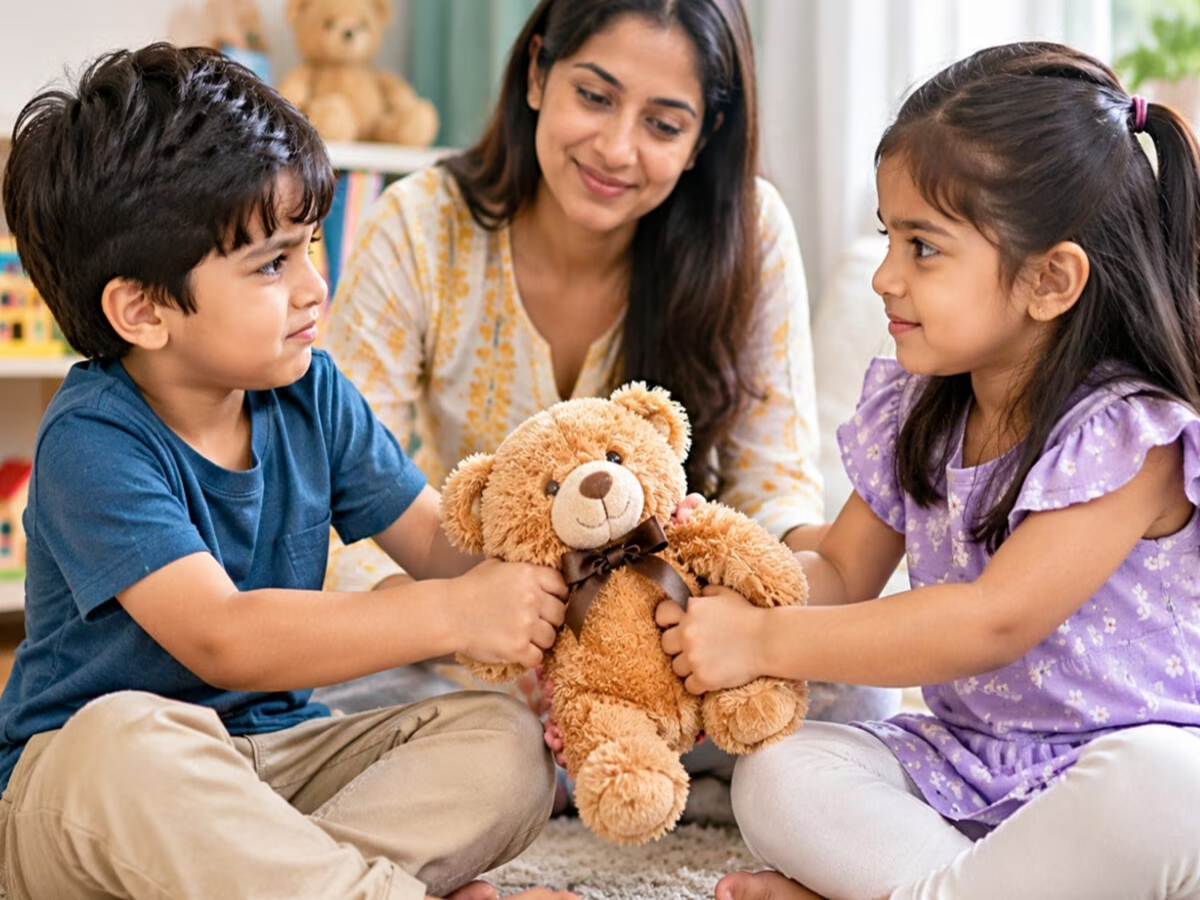
Teach them the habit of sharing. Tell children that sharing their things doesn't diminish them, but rather increases love. For instance, sharing a pencil or a biscuit from their lunchbox at school isn't just an act of generosity; it sends a message to the other child that you want to be their friend. Children who share always have a group of friends around them.
Another very important habit is listening. We teach children to speak, but not to listen. Tell them to listen carefully when a friend is talking. For example, if a child is talking about their new bicycle, your child can ask, "Wow! That's a really cool color. Where did you get it?" When you show interest in others, people start taking an interest in you.
Giving compliments is a skill that is very useful for both adults and children. Teach your child to notice the small positive qualities in others. Simple compliments like, "Your handwriting is so neat," or "You play football really well," can win anyone's heart. Genuine praise boosts a child's confidence and makes them feel closer to your child.
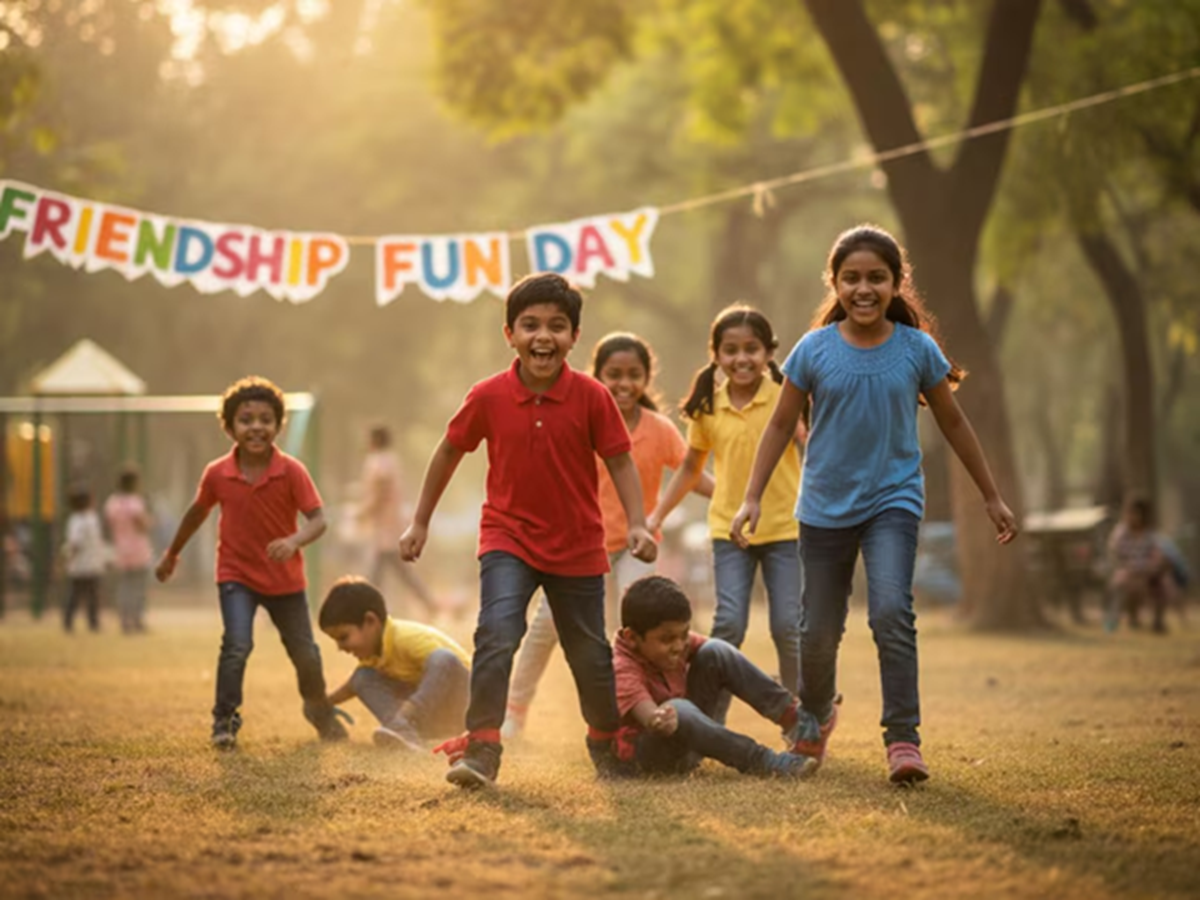
Often, some children are left out in group settings. Teach your child that if they see a child standing alone in the park, they should invite them to join their group. For example, "Hey! Why are you alone? Come play with us." When your child includes others, they themselves will never be alone and will become well-liked by everyone.
Saying "sorry" for mistakes and forgiving minor offenses is also very important. Arguments during playtime are common, but the child who acknowledges their mistake maintains friendships for longer. Teach them that saying, "Sorry, I did it by mistake," doesn't make them weak; instead, it strengthens the relationship.
Explain the importance of teamwork to your children. Encourage them to participate in games that require collaboration. When children are part of group projects or team games, they learn to trust each other. The joy of achieving a goal together connects them deeply and fosters a sense of belonging.
Remember, a child learns what they see at home. If you are friendly with your neighbors and friends, your child will learn the same. Provide a home environment where people respect each other and communicate openly. Your behavior is the greatest lesson for your child, shaping them into a cheerful and confident individual.
Finally, don't put pressure on your child. Every child develops at their own pace. Some children make friends quickly, while others take a little more time. You just need to teach them these small habits and encourage them. When they feel safe and loved, they will naturally come out of their shell and create their own wonderful world of friends.
PC Social Media