Parenting
Parenting Tips: Are there frequent fights at home? These are 5 changes you might notice in your child's behavior..
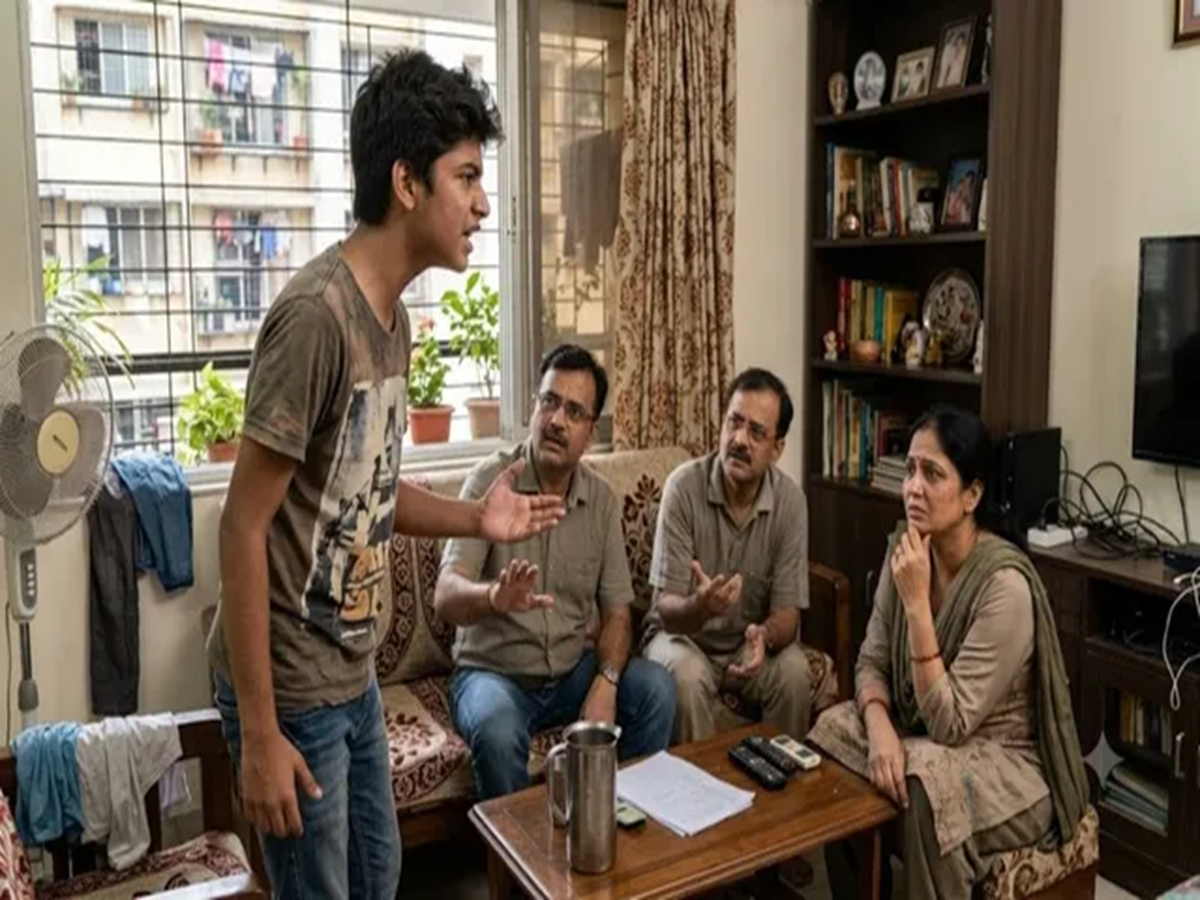
There's a saying that goes, "Children don't do what we teach them, they do what they see us do." Home is the first school where a child learns love, security, and manners. But when the walls of that very home are filled with screams and fights, it has a devastating effect on those tiny, fragile minds. Parents often think, "The child is still young, how will he understand?" But the truth is, children are even more acutely aware of stress than adults.
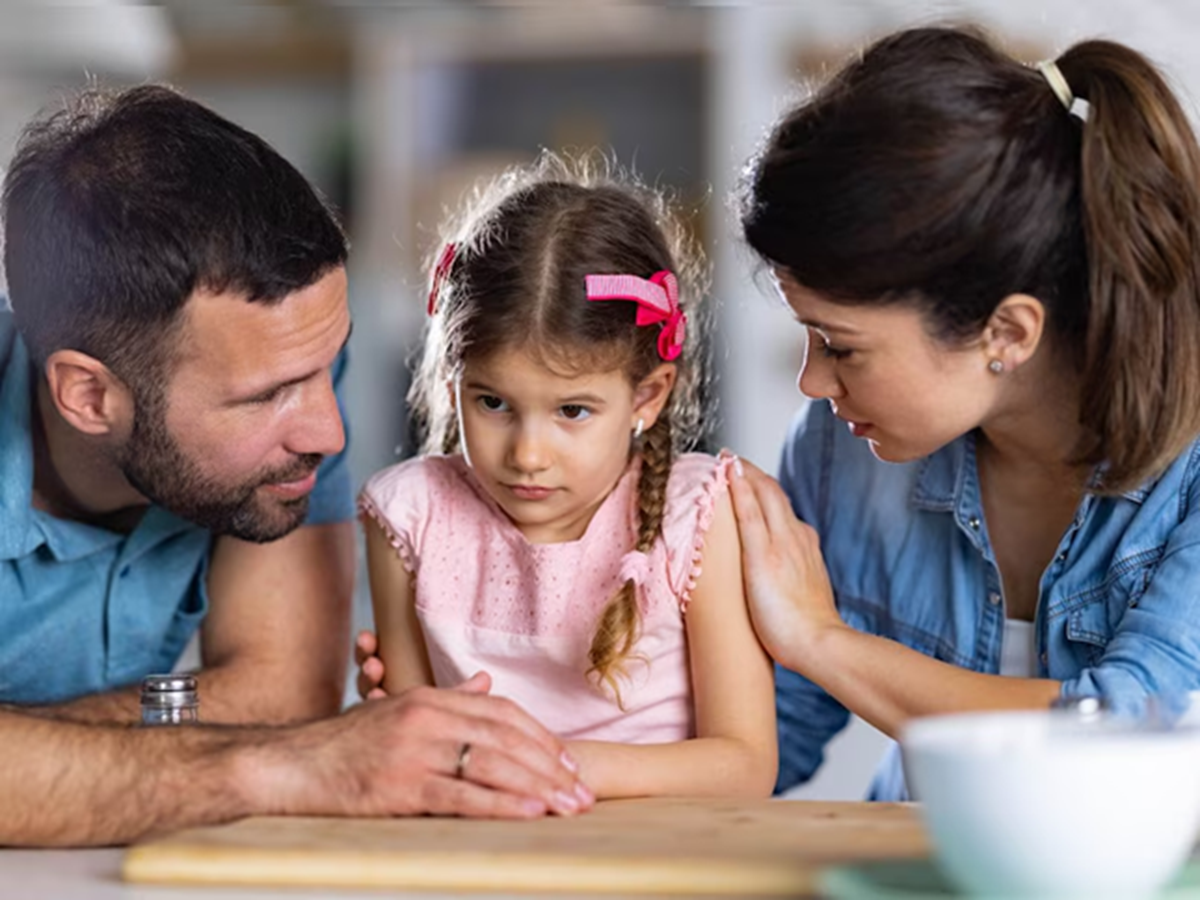
Angry Temperament - The first effect of constant conflict between parents is extreme aggression in a child's temperament. When children see their closest loved ones yelling or getting their way, they assume this is the right way to solve problems.
Increasing Disengagement from Studies - Another serious change is a decline in their concentration and academic performance. A disturbed and unsafe home environment puts children's minds in constant survival mode. They are constantly worried about what will happen next or what conflict will erupt next.
Loneliness and Silence - Such children also tend to lag socially, often resorting to isolation and silence. To avoid the noise and stress of conflicts, they may lock themselves in their rooms or avoid socializing. This behavior indicates a deep-seated lack of self-confidence. They begin to feel that their feelings don't matter, making them unable to form healthy relationships or express themselves clearly in the future.
Always Feeling Unwell - Mental stress isn't limited to the mind; it also manifests as physical symptoms in children. Sometimes, children complain of frequent headaches, stomach aches, or anxiety without any medical reason. This is actually a result of their suppressed fear and anxiety. Conflict at home also affects a child's appetite and sleep, which is very detrimental to their physical development.
Parents should understand this: To protect children from these negative effects, parents must first understand that fighting in front of them is detrimental to their development. If you disagree on any issue, try to resolve it peacefully in a closed room. Controlling your voice and language in front of children is the first sign of a mature parent. Even if a child inadvertently witnesses a fight, explain to them later that arguments may occur between adults, but that does not mean the end of love.
To handle the situation, parents should set an example of healthy discussion. Show children that differences can be resolved without yelling, by listening to each other, and through compromise. By doing this, children learn a positive approach to conflict resolution, which will be very useful in their future personal and professional lives. After a fight, behaving normally and respectfully towards each other in front of your children is essential to removing the fear of insecurity from their minds.
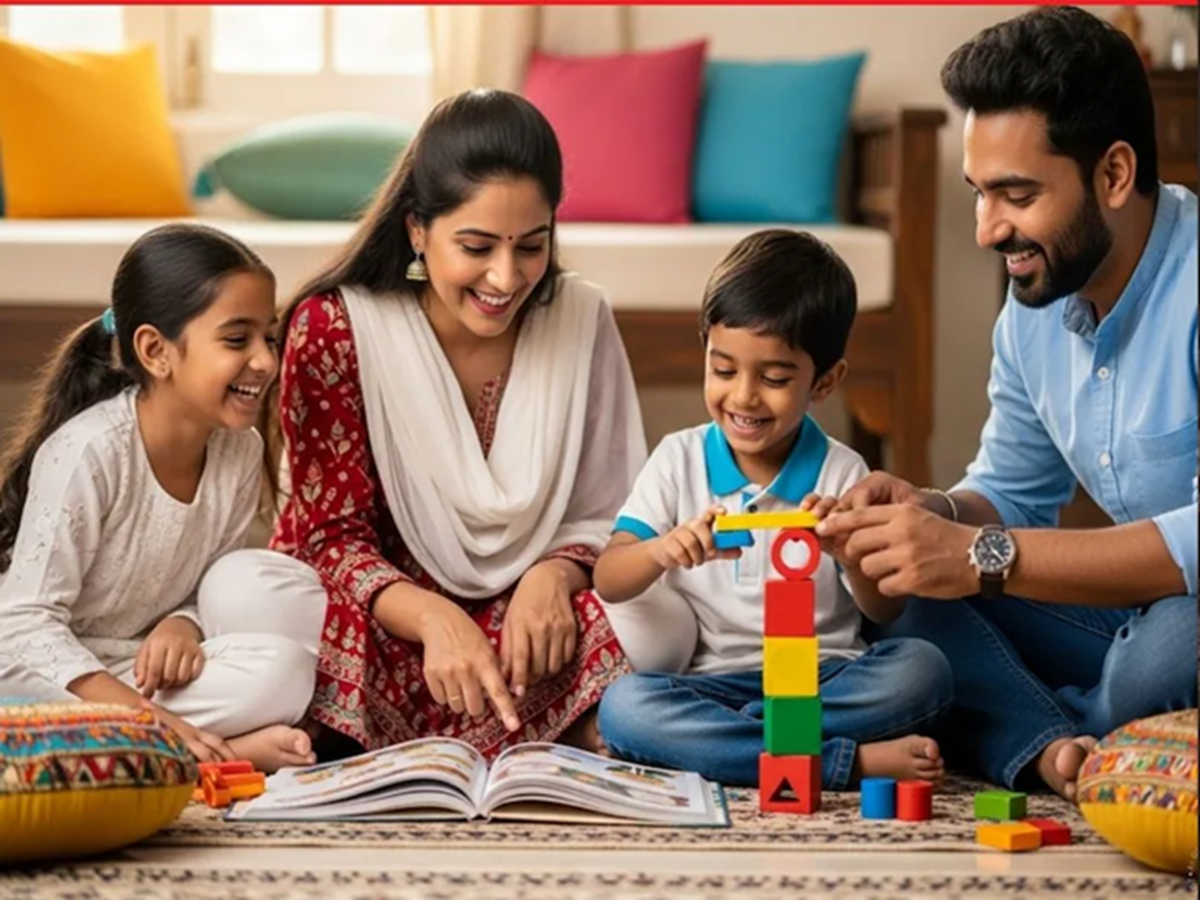
Remember that a peaceful and happy home is more important to your children than the toys, clothes, or luxuries you provide them. Spend quality time with your children daily, listen to them, and make them feel that no matter what happens, home is their safest place. The strength of your relationship is the foundation for their bright and healthy future, so don't let your anger ruin their childhood.
PC Social Media