Parenting
Parenting Tips: Be alert if you notice these 6 signs in children—could someone have said something to them?

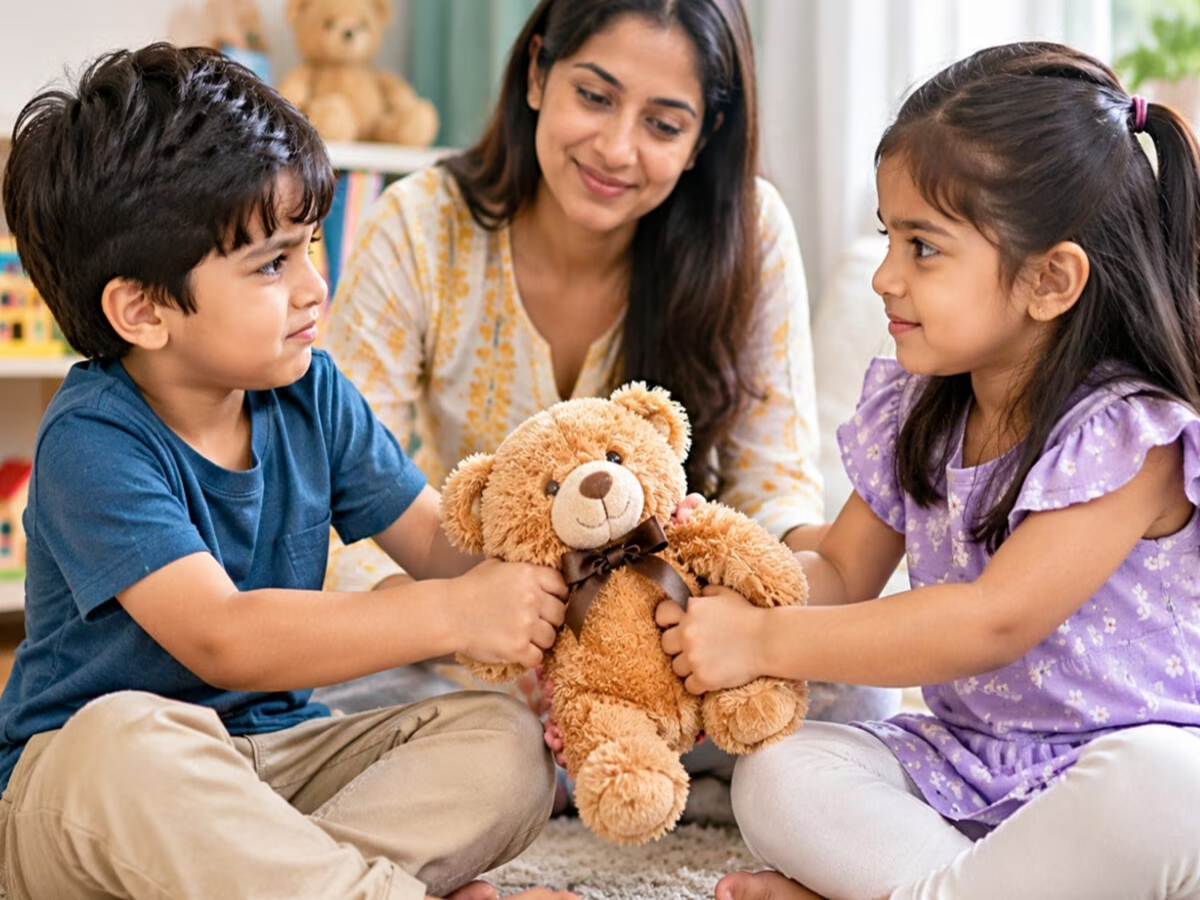
Symptoms of Anxiety in Children: We often assume that a child's anger is merely stubbornness or a tantrum, but that is not always the case. Often, children are unable to articulate their fears, the pressure they are under, or the impact of someone's mistreatment, and instead signal their distress through anger. If you notice a sudden change in your child's temperament or observe six specific symptoms accompanying their anger, do not dismiss it as simple stubbornness. They might be upset by something someone said or be struggling with inner turmoil. In such situations, vigilance and timely understanding are crucial. Let us look at these six symptoms in children as identified by health experts...
A Silent Plea for Help
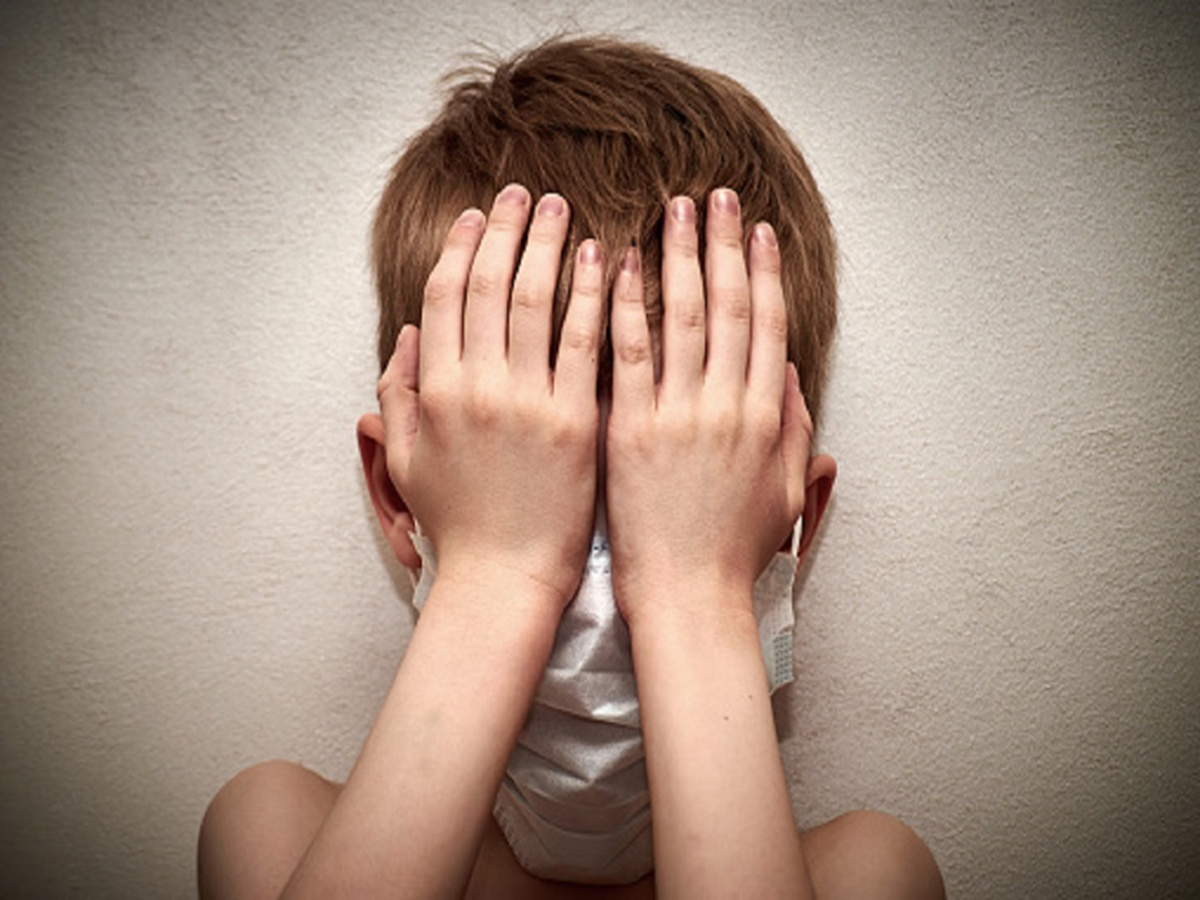
According to the National Health Mission (NHM), not every outburst of anger stems from stubbornness; often, it is a child's silent plea for help. Sudden changes in a child's behavior should be taken seriously. In fact, early signs of mental stress, anxiety, or depression in children often manifest physically and behaviorally. If left unaddressed, these issues can escalate into more serious problems.
Health experts advise parents to be alert if they notice symptoms such as constant anger or frustration in their children, as these could indicate serious underlying issues.
Persistent Frustration: The child frequently feels frustrated or shows a lack of interest in activities.
Complaints of Headaches and Stomachaches: Frequent complaints of stomach pain or headaches without any apparent physical cause.
Increased Irritability: Getting annoyed over trivial matters.
Sudden Mood Swings: Rapidly shifting from a happy state to sadness or anger.
Anger Over Everything: Getting angry at every little thing or displaying argumentative behavior.
NHM's Appeal to Parents
The National Health Mission urges parents not to dismiss these behaviors as mere mischief. They can often be signs of academic pressure, issues with friends, family discord, or loneliness. Talk openly with your children, listen to them attentively, and consult a child psychologist or counselor if necessary.
Expert Advice
Experts also advise parents to become their children's first and best friends. Instead of scolding them over trivial matters, try to understand them. Do not ignore the situation if the six signs mentioned above are consistently observed; timely attention can help prevent many issues.
PC Social Media