Parenting
Parenting Tips: Even without coercion and expensive coaching, your child can become a class topper..
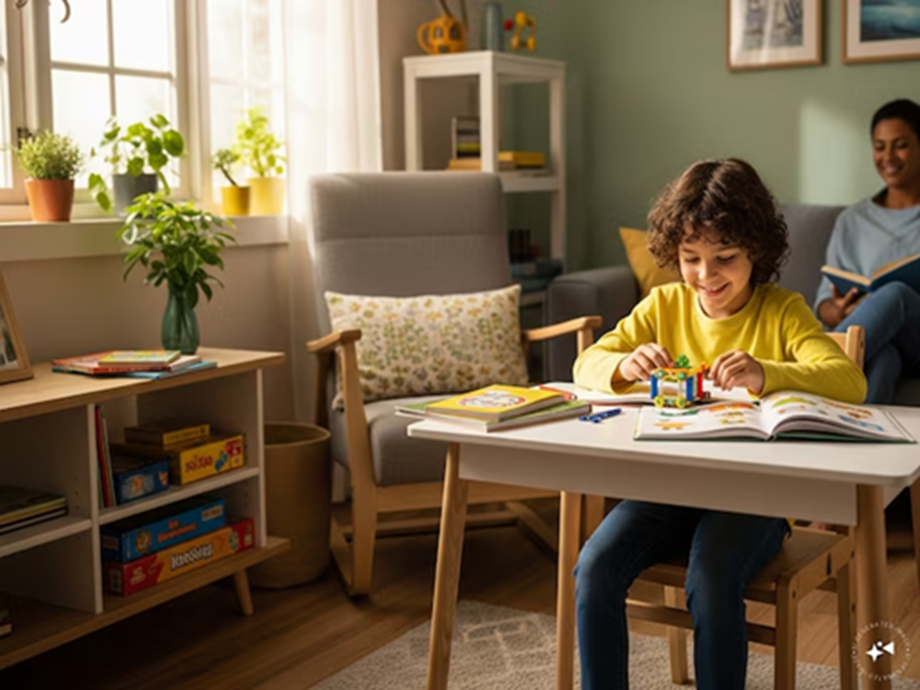
Parenting Tips: Parents always want their children to excel in class, school, and life. However, often, despite their hard work, the results aren't as impressive. Sometimes, even after fulfilling all their child's needs—including expensive coaching, providing numerous books, and creating a conducive learning environment at home—the child still fails to excel. In such situations, parents feel that perhaps their efforts are lacking or that the child isn't strong enough in studies.
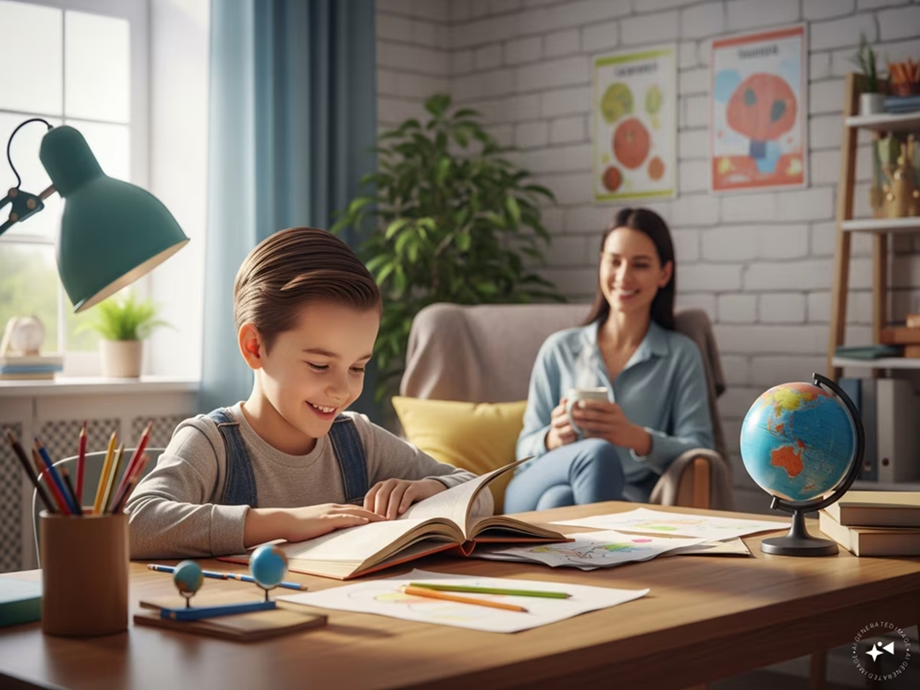
The truth is, coaching or extensive classes aren't the only necessary tools to make a child a topper. The most important thing is to provide children with the right direction, the right environment, and some basic habits. In today's fast-paced lives, children are often engrossed in smartphones, TV, and social media, which distract them from their studies. However, if parents pay attention to a few small things, a child can still top the class without coaching.
In this article, we'll share simple and practical tips that will sharpen your child's mind, enhance their focus, and help them excel in their studies. These methods can be implemented at home and show immediate results. If you also want your child to excel and become a class topper, this guide is perfect for you.
1. Develop the habit of sleeping and waking up on time.
It's crucial to teach children the importance of sleep. If your child stays up late at night using their mobile phone or watching TV, their mind will not be refreshed in the morning. Try to ensure your child gets 7-8 hours of sleep daily. Going to bed and waking up on time will instill discipline in them, and their mind will grasp their studies quickly. This simple habit will be very useful not only in their studies but throughout their lives.
2. Limit the use of smartphones, TVs, and computers.
These days, children are mostly preoccupied with smartphones and TVs. Games, cartoons, and social media consume all their time. Parents should limit these things; if a child spends all day on their mobile phone, their focus will never be on their studies. You can create a "screen time rule"—such as limiting their screen time to only one hour a day. This will keep their child away from distractions and increase their focus on studies.
3. Teach your child something new every day
A child becomes sharper when they learn something new every day. Whether you tell them a new story, discuss a new topic, or share an interesting fact, doing something new every day keeps their mind active.
This not only sharpens their memory but also helps them remember new things more quickly. This habit helps them progress not only in school but also in society.
4. Create a healthy routine for their child
Without a routine, a child often becomes confused—they don't know when to play, when to study, when to rest.
If you want your child to be a topper, create a simple routine for them.
For example:
- Morning wake-up time
- Study hours
- Homework time
- Play time
- Screen time
- Fixed bedtime
When a child follows a routine, their work is done clearly and their mind is fresh. This helps them understand things better and perform better in their studies.
5. Don't create pressure to study; keep the atmosphere light
Sometimes, in their quest to become a topper, parents put so much pressure on their child that they become afraid. When a child is afraid, learning stops. Treat them like a friend. If a child makes a mistake, explain things to them instead of scolding them. When the atmosphere is light, the child will study freely and learn faster.
6. Don't hold back on praising them
Children love motivation. When parents praise their children for small good qualities, their confidence grows.
For example:
-"You wrote very well today!"
-"Your effort is visible."
-"You can do better."
Such small things fill their mind with positive thoughts.

7. Make studying fun for the child
-If a child starts finding studying boring, they will never be able to progress.
-Make studying like a game—provide colorful notes, conduct quizzes, and assign small tasks.
-When studying feels fun, the child's mind automatically leans towards learning.
PC Social Media