Parenting
Parenting Tips: How to turn your child's anger into positive energy! 7 psychology-based tips every parent should know..

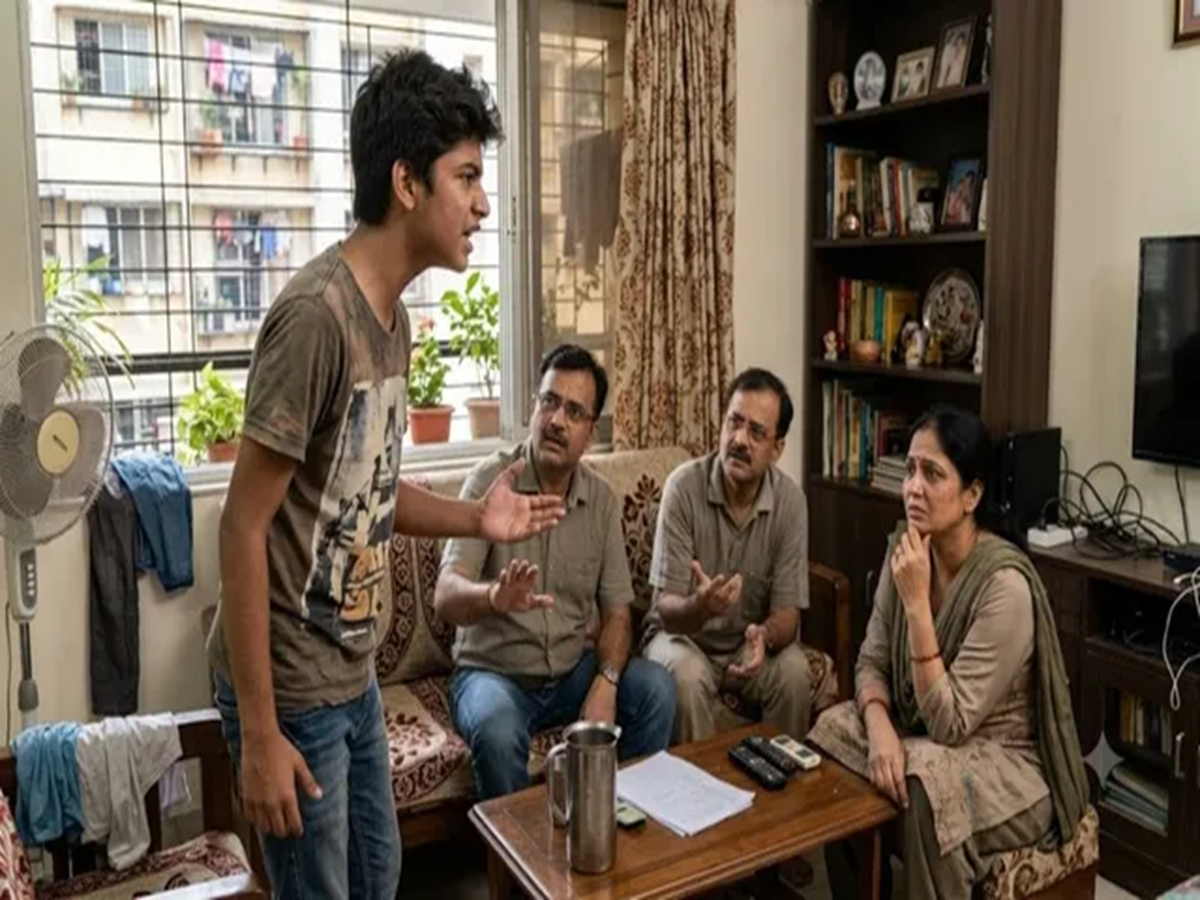
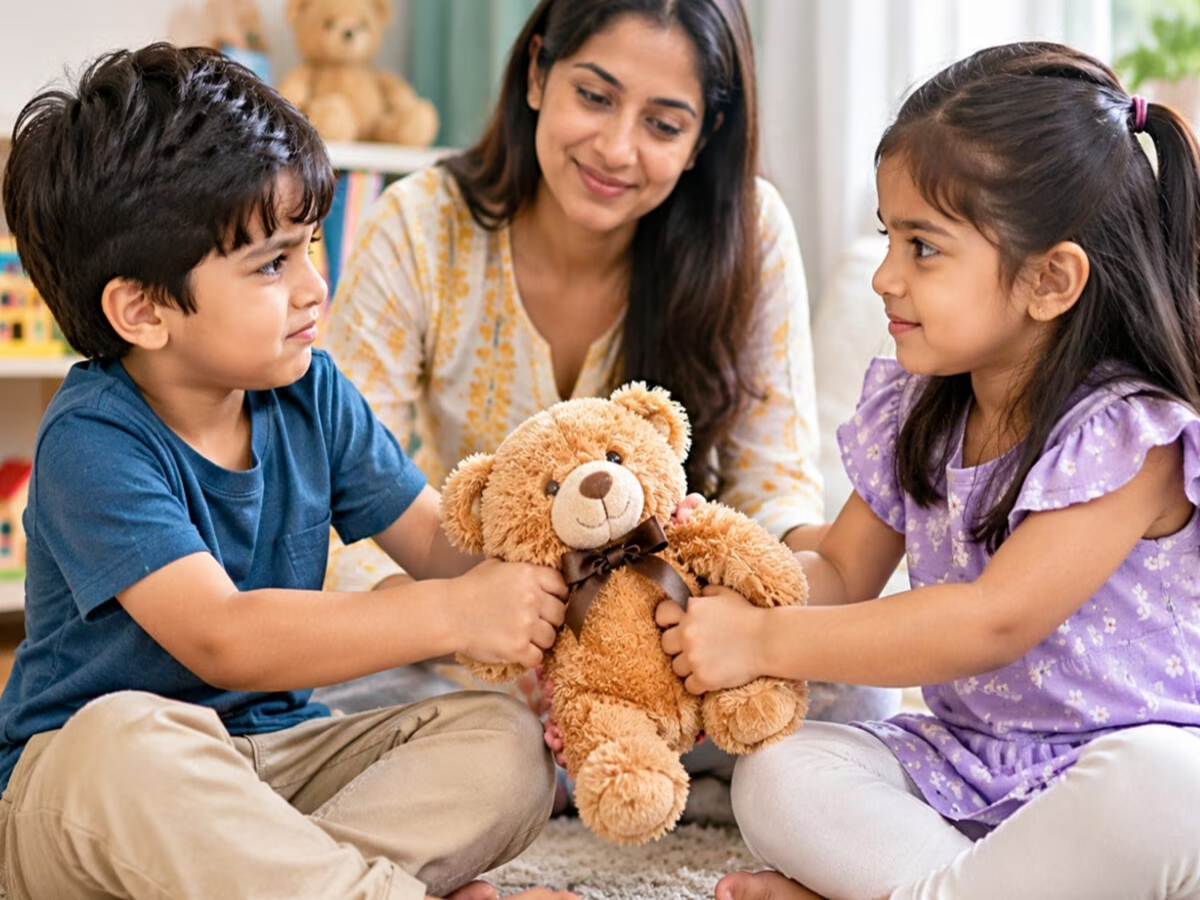
Parenting Tips for Angry Kids: Every child has a unique personality. Some children are very calm, while others get angry over seemingly trivial matters. Sometimes, even minor problems can lead to them losing their temper and screaming or throwing things. In such situations, parents often struggle to understand their child's anger. Yelling or scolding can worsen the situation. Therefore, parents must understand their child's psychology and handle their anger with love and understanding. So, let's tell you today how you can understand their minds and calm them down easily, while also guiding them toward a better relationship.
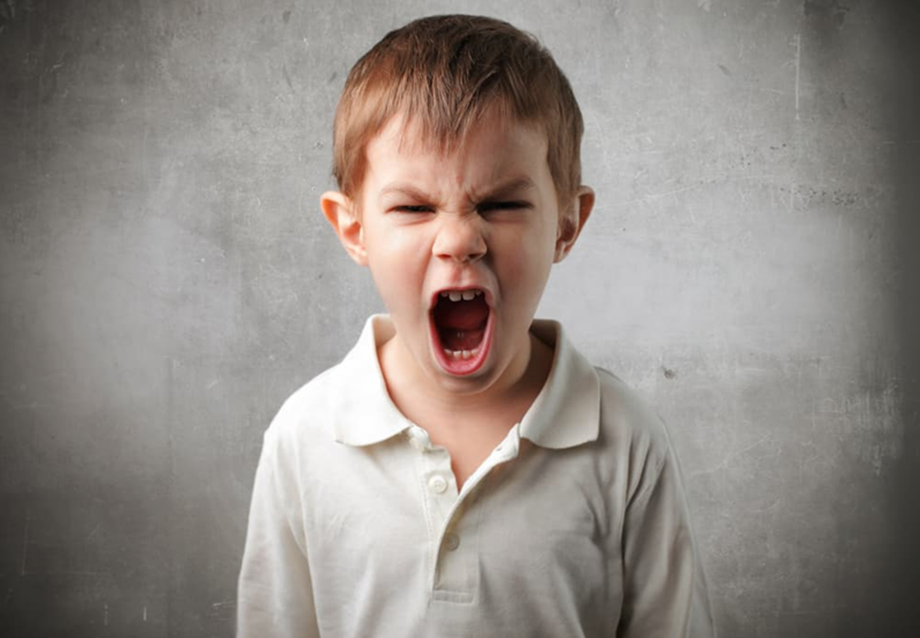
How to Deal with Angry Children:
1. Understand the Reason for a Child's Anger:
Children don't get angry without reason. Sometimes they're hungry, sometimes they haven't had enough sleep, or they feel scared or insecure about something. Parents should first understand the underlying reason for their anger. Only when the cause is understood can the right solution be found.
2. Stay calm during anger -
When a child is angry, parents should control their own temper. If you also get angry, the situation could worsen. When the child is angry, lovingly tell them, "Come on, calm down a bit, then we'll talk." Doing this helps the child learn to control themselves.
3. Talk, not punish -
Many parents try to correct angry children by punishing them, but this only makes them more reactive. Instead, talk to them. When the child calms down, ask them what upset them. Conversation helps the child feel that their emotions are valued, and their anger gradually begins to subside.
4. Praise good behavior -
If the child handles an angry situation well, be sure to praise them. For example, "I'm glad you controlled yourself today." This kind of positive reinforcement boosts a child's confidence and helps them manage their anger.
5. Pay attention to routine and sleep -
Sometimes, children's anger stems from fatigue or lack of sleep. If a child sleeps on time and eats a healthy diet, their mood remains balanced. Therefore, parents should pay attention to their child's sleep and routine.
6. Teach children to express emotions -
It's important to teach children that feeling angry isn't wrong, but it's crucial to learn how to express it. Tell them that if they get angry, they should take a deep breath, remain silent for a while, or talk to someone. These small steps strengthen their emotional control.
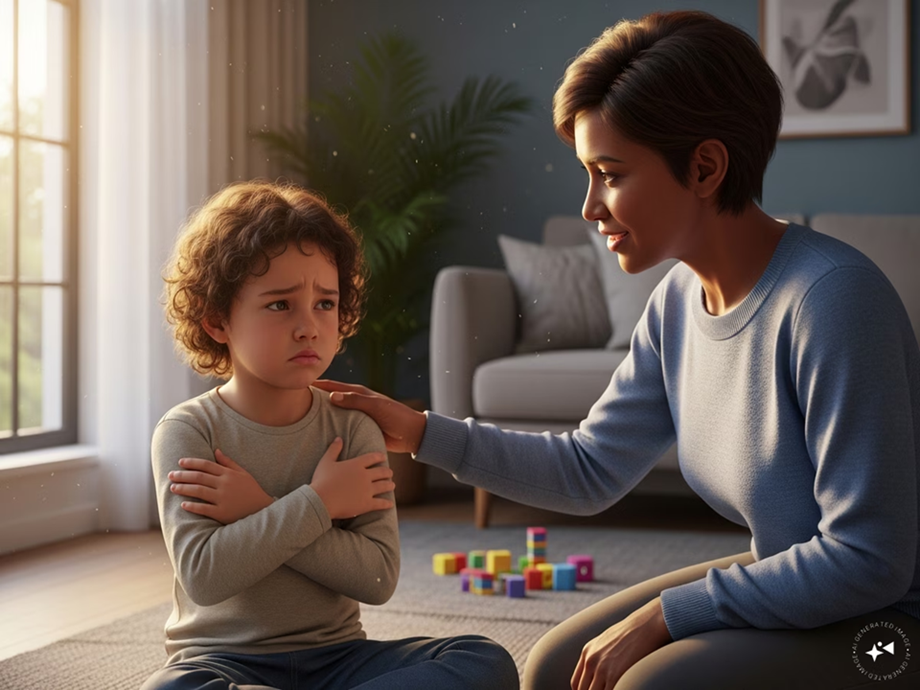
7. Love and patience are the most effective ways to deal with a child's anger -
Love and patience are the most effective ways to deal with a child's anger. Children learn what they see from their parents. If you remain calm and positive, they will gradually learn to be like you. Remember, it's important to understand your child, not correct them.
With these psychology-based tips, you can handle your child's anger with love. A little patience, a little communication, and a lot of love are the hallmarks of smart parenting.
PC Social Media