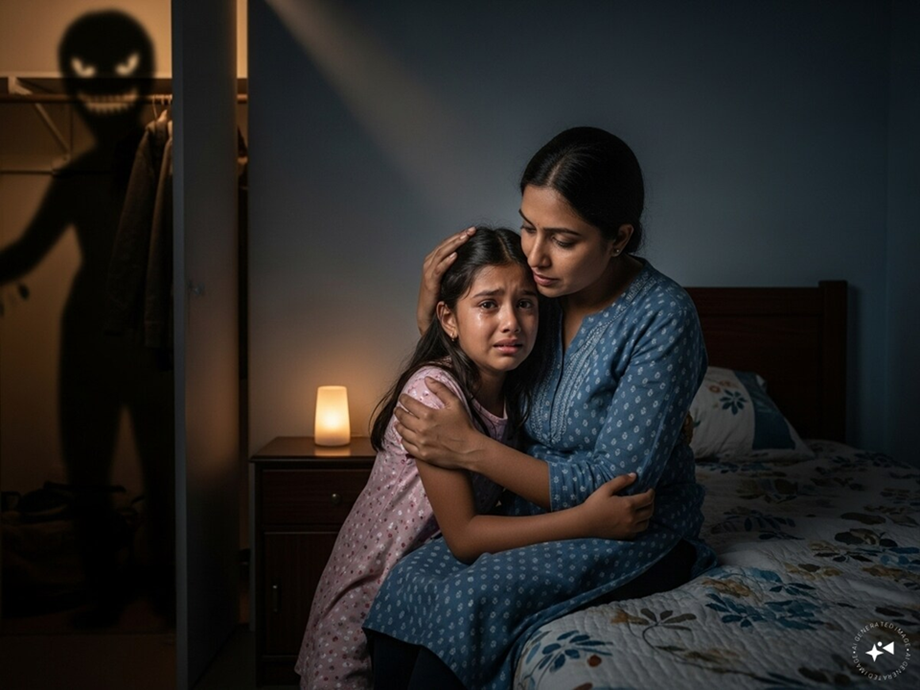
It was nighttime, and the room was dimly lit. Ragini's 8-year-old daughter sat in her bed, fear in her eyes and anxiety in her heart. As soon as her mother said, "It's time to sleep," she shook her head and refused. "I'm scared, I can't sleep alone," the delicate fear was clearly audible in her voice. Her mother hugged her and explained that fear is normal, but gradually, every child can learn to sleep alone.

This story is a retelling of many parents whose children, as they grow older, fear the dark silence of the night, strange voices, or a sense of loneliness. But as children grow older, it becomes essential to help them develop independent sleeping habits (Helping Children Sleep Independently). This is crucial not only for their sleep, but also for their self-reliance and self-confidence.
If you're facing a similar challenge, here are some simple and effective tips to help your child gradually learn to sleep alone in their room. Parental patience, understanding, and proper guidance can be a key strength in this process.
Teach your child to sleep alone without fear:
Gradually accustom your child
It can be difficult to suddenly leave your child to sleep alone. Instead, gradually accustom them. Initially, you can stay in your child's room for a short time, then gradually increase the distance. Going out for a few minutes and returning, or sitting outside the room, can be helpful.
Create a Bedtime Routine
Reading a book, listening to soft music, or listening to a story at a specific time before bed can make it easier for them to fall asleep. This routine prepares them mentally and reduces the fear of sleeping in a separate room.
Create a Positive Environment
It's important to make your child's room comfortable and filled with positivity. Keep a night lamp for light, soft toys, and their favorite toys in the room. This will help them feel safe and comfortable in the room.
Understand Fear and Anxiety
Sometimes children are afraid of the dark or strange sounds when sleeping alone. Parents should understand their child's feelings and let them know that their fears are normal. Talk openly about their fears and reassure them that you are there.
Reward and Encourage
Offer small rewards to encourage children. For example, if a child succeeds in sleeping alone for a whole week, promise to tell them a favorite story or give them a small gift. This encouragement helps them move forward.
Build Self-Confidence
It is important to convince the child that sleeping alone is safe and easy. Recognize small successes to build their independence and self-confidence. Gradually, the child will get used to sleeping alone in their room, which will also benefit their strong mental and emotional growth.
PC Social media