Parenting
Parenting Tips: Not A, B, C... start your child's handwriting with lines, not hurry, but the right start is important..

Parenting Tips: Teaching a child to write is a unique experience for every parent. Some children struggle to hold a pencil, while others get bored quickly. Often, parents can't figure out where to start—A, B, C, or Ka, Kha, Ga? In fact, learning to write is like a new journey for a child. It's not just about forming letters, but about practicing coordination between the mind, eyes, and hands.
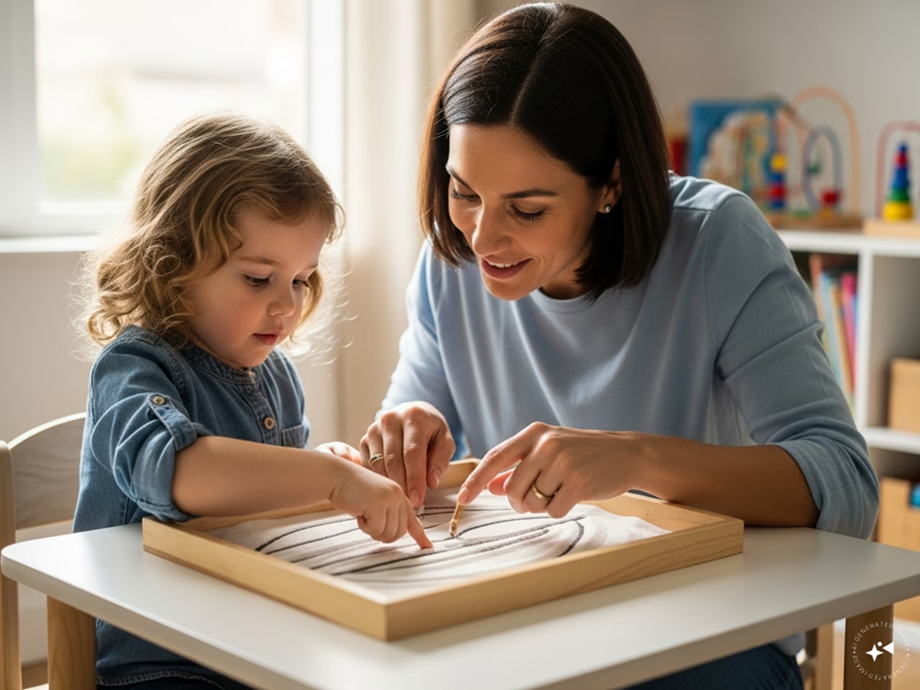
Recently, renowned pediatrician Dr. Arpit Gupta shared a post on his Instagram handle, in which he explained that teaching a child to write should begin with lines and patterns, not letters. According to Dr. Arpit, most parents rush to teach their child the letters directly, which frightens them and creates an "I can't do it" attitude. Therefore, it's important to first introduce the joy of writing to the child. As they enjoy making marks on paper, their interest will gradually grow. This is the step where both good handwriting and confidence begin.
How to start?
Dr. Arpit says, "The first step is not letters, but lines." Teaching a child to write should begin with scribbling—that is, giving them paper and pencil and letting them draw as they please. Whether they draw crooked lines or circular shapes—this is the real beginning.
When a child begins to draw freely on paper, their hand muscles and finger grip strengthen. This grip ultimately makes their handwriting beautiful.
Next Step: Lines and Patterns
Next, have the child practice three types of lines:
1. Standing lines
2. Sleeping lines
3. Slanting lines
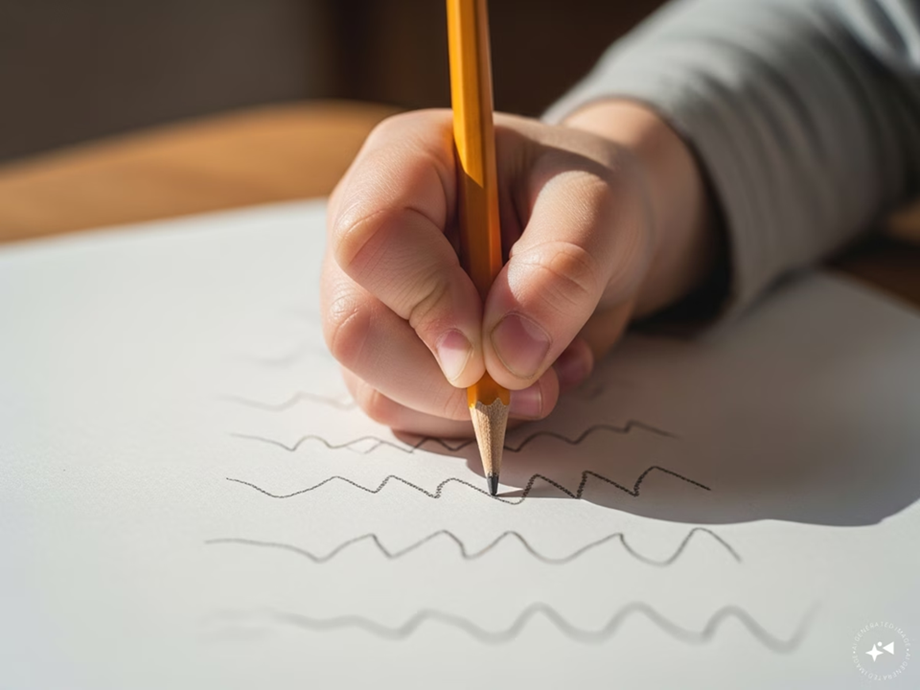
By practicing these three, the child begins to understand the direction, pressure, and speed of the hand. Once this is mastered, the next step is to create curves and patterns. Such as circles, waves, zigzag shapes, or small boxes. These exercises make the fingers more flexible and increase the child's control.
When to introduce letters?
Once the child's grip and hand movement are correct, gradually introduce them to letters, but be careful not to pressure the child. Every child learns at their own pace. If they can't form the 'A' correctly, instead of repeatedly interrupting them, first show them what the correct shape looks like. Provide an environment where they enjoy writing, not fear it.
Create a learning environment.
Writing is not just a preparation for school, but a part of their creativity. Provide them with colorful pencils, crayons, and attractive notebooks. When children find things interesting, their attention lasts longer. Also, give them small goals – like "Today we will only draw circles" or "Today we will only draw straight lines." This will encourage the child to learn something new each time.
Doctor's Opinion
Dr. Arpit says, "Writing is a process, not a race." Let your child explore, enjoy, and learn gradually. When a child can express their imagination without fear, their learning journey becomes stronger. Adopting this approach will not only help your child learn to write quickly but will also improve their handwriting.
PC Social Media