LIFESTYLE
Parents' Healthcare: If your parents are over 60, make sure to get these medical tests done..

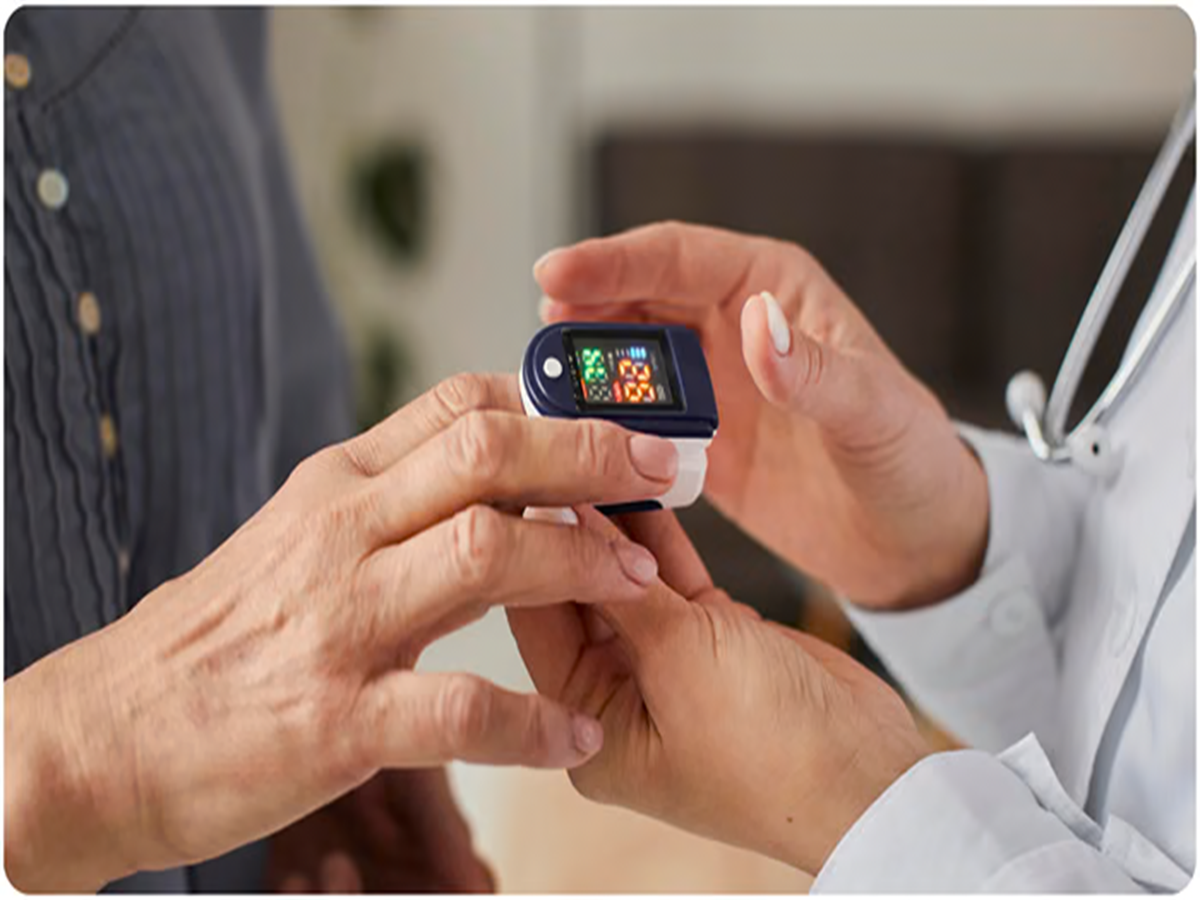
Important Medical Tests for Your Parents: As we age, the body undergoes various changes. The risk of certain diseases—whose symptoms may not be immediately apparent—increases significantly after the age of 60. Consequently, undergoing periodic health check-ups becomes crucial.
If your parents are over 60, do not neglect their health; ensure they undergo certain essential medical tests regularly.

These tests not only help detect serious illnesses at an early stage but also allow for timely treatment, helping to manage health issues effectively. Therefore, to ensure your parents' well-being and longevity, make these essential medical tests a part of their routine healthcare.
1. Blood Pressure Test
The risk of blood pressure-related issues increases after the age of 60. High blood pressure is often referred to as a "silent killer" because it frequently presents no obvious symptoms. Prolonged high blood pressure can adversely affect the heart, brain, and kidneys. Regular monitoring allows for the timely detection of problems, which can then be managed with medical advice.
2. Blood Sugar Test
As one ages, the body's ability to utilize insulin effectively may be compromised, increasing the risk of diabetes. Tests such as Fasting Blood Sugar, Post-Meal Sugar, and HbA1c provide an accurate assessment of sugar levels in the body. Timely testing aids in diabetes management and helps prevent associated complications affecting the eyes, kidneys, and heart.
3. Cholesterol Test
Cholesterol levels tend to rise with age. Excess cholesterol can accumulate in the arteries and impede blood flow, thereby increasing the risk of heart attacks and strokes. A lipid profile test measures total cholesterol, "good" cholesterol (HDL), and "bad" cholesterol (LDL) levels in the body. Regular check-ups help monitor heart health.
4. Heart Check-up
Caring for heart health becomes crucial after the age of 60. As one ages, the risk of heart-related diseases increases due to factors such as high blood pressure and high cholesterol. Tests like an ECG, echocardiogram, and other necessary examinations can be performed based on a doctor's advice. If symptoms such as chest pain, difficulty breathing, rapid fatigue, or irregular heartbeat occur, one should consult a doctor immediately.
5. Eye Examination
With advancing age, issues such as declining vision, cataracts, glaucoma, and retinal problems can become common. Often, eye diseases progress without showing symptoms in the early stages. Therefore, regular eye check-ups are essential after the age of 60. Timely examinations allow for easier treatment of vision-related problems.
6. Bone Health Check-up
Bone strength can diminish with age; the risk of bone-related problems increases significantly, especially in women after menopause. A bone density test (DEXA scan) can assess bone strength and detect conditions like osteoporosis. If bones are weak, doctors may recommend calcium, Vitamin D, and other necessary measures.
7. Kidney Function Test
Kidney function can gradually decline in the elderly. Since the kidneys are responsible for filtering waste products from the body, proper monitoring is essential. Kidney health can be assessed through blood tests (such as creatinine levels) and urine tests. Kidney check-ups are particularly important for individuals with diabetes or high blood pressure.
8. Liver Function Test
The liver plays a vital role in various bodily functions, such as eliminating toxins and regulating metabolism. Liver function can be affected by aging. An LFT (Liver Function Test) helps detect any liver-related abnormalities. If a person has been taking medication for a long time, this test may be useful, as advised by the doctor.
9. Cancer Screening Tests
The risk of certain types of cancer may increase after the age of 60. Therefore, undergoing cancer screening tests based on age, gender, and health status—and in consultation with a doctor—can be beneficial. Detecting the disease at an early stage improves the chances of successful treatment. The specific tests required are determined based on an individual's health history and risk factors.
10. Vitamin D and B12 Tests
Deficiencies in Vitamin D and Vitamin B12 are common issues among the elderly. Such deficiencies can lead to weakness, fatigue, bone pain, muscle problems, and memory-related issues. The levels of these vitamins can be checked through blood tests. If a deficiency is detected, the doctor may recommend dietary changes or supplements.
PC Social Media