LIFESTYLE
Plant these 5 miraculous plants in your home, and happiness, prosperity, and the blessings of Goddess Lakshmi will be drawn right to you..

Auspicious Plants for the Home: In Hindu culture, certain plants are regarded not merely as symbols of greenery but as sources of happiness, prosperity, and positive energy. According to Vastu Shastra and religious beliefs, planting species such as Tulsi, Ashoka, and the Banana tree in the home fosters financial growth, mental peace, and enduring happiness within the family. Furthermore, these plants are associated with various deities. It is believed that these plants dispel negative energy and sanctify the surrounding atmosphere. The Tulsi plant, in particular, is revered as an embodiment of Goddess Lakshmi. Planting it within the home or cultivating it in one's garden not only infuses the household with positivity but also invokes the blessings of the deities. Let us, therefore, explore some of these special plants.
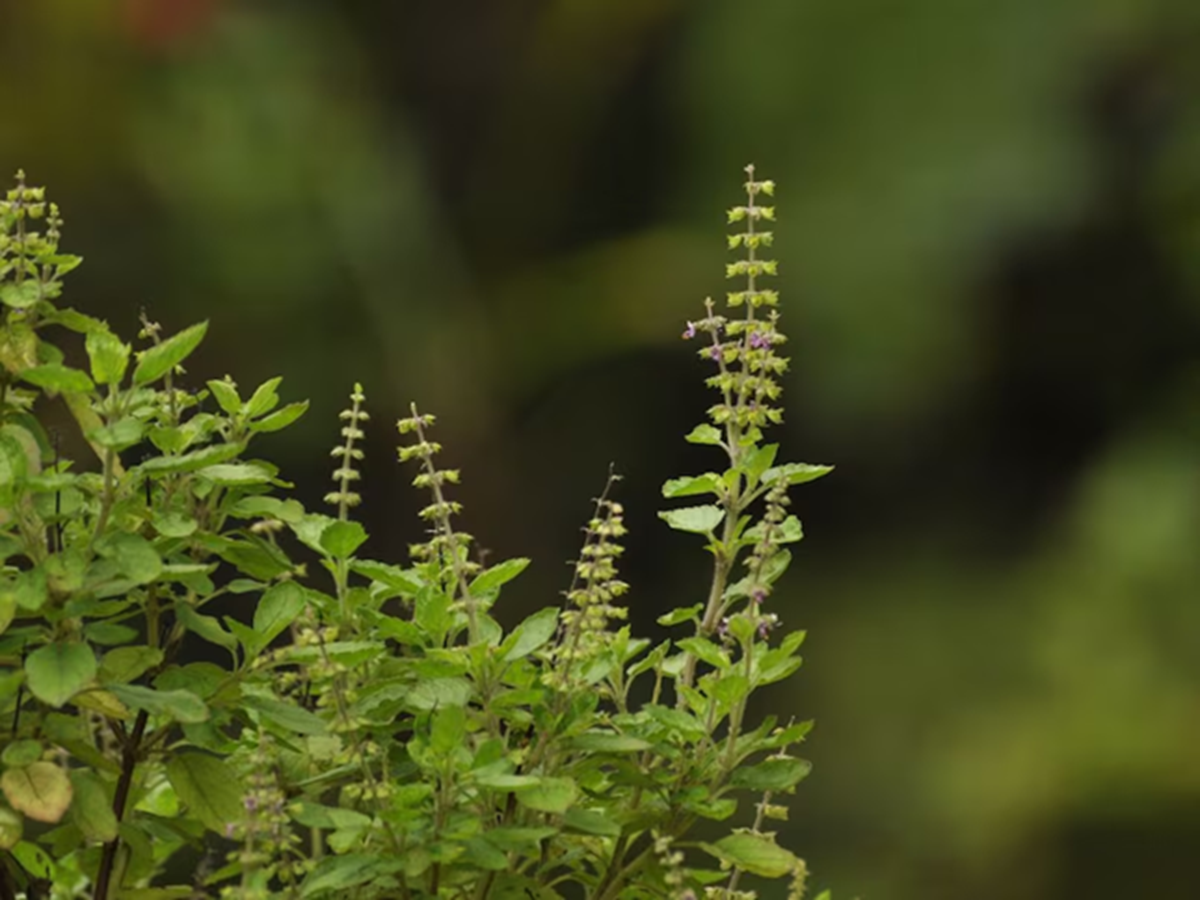
**Tulsi** – Tulsi is also known as Holy Basil. This plant is associated with Goddess Tulsi (who is considered a manifestation of Goddess Lakshmi), the deity of wealth and good fortune. In Hindu culture, Tulsi is regarded as one of the most sacred and revered plants. Tulsi possesses numerous beneficial properties; for instance, it purifies the atmosphere, radiates positive energy, and aids in alleviating various ailments. Planting a Tulsi sapling in the home invites the grace of Goddess Lakshmi, while daily worship of the plant ensures the continued presence of happiness and prosperity.
**Bel Patra** – In Hinduism, the Bel (or Bael) tree holds immense significance from both religious and spiritual perspectives. Bel leaves (*Bel Patra*) are offered to Lord Shiva and are counted among the most revered leaves in the faith. It is believed that planting a Bel tree in the home during the holy month of *Sawan* dispels negative energy and ushers in happiness and prosperity. This plant is also said to bring balance and tranquility into one's life.
**Peepal Tree** – The Peepal tree is also known as the Bodhi Tree. It is widely believed that it was beneath this very tree that Gautama Buddha attained enlightenment. Furthermore, this tree serves as a symbolic representation of the *Trimurti*—the three principal deities of Hinduism: Brahma, Vishnu, and Shiva. Its roots are regarded as the embodiment of Brahma, its trunk as that of Vishnu, and its leaves as that of Shiva. Consequently, it is also referred to as the symbol of the *Tridev* (the Divine Trinity). According to the *Skanda Purana*, Lord Vishnu resides beneath this tree.
**The Banana Tree** – In Hinduism, the banana tree is considered highly sacred and significant. It is utilized in various ways during religious rituals. Banana leaves are used for serving *Prasad* (sacred food offerings) and are also placed near the entrance of homes on auspicious occasions. During worship ceremonies, banana fruits are offered to Lord Vishnu and Lord Ganesha. Banana leaves also hold special significance in the *Satyanarayan Puja*.
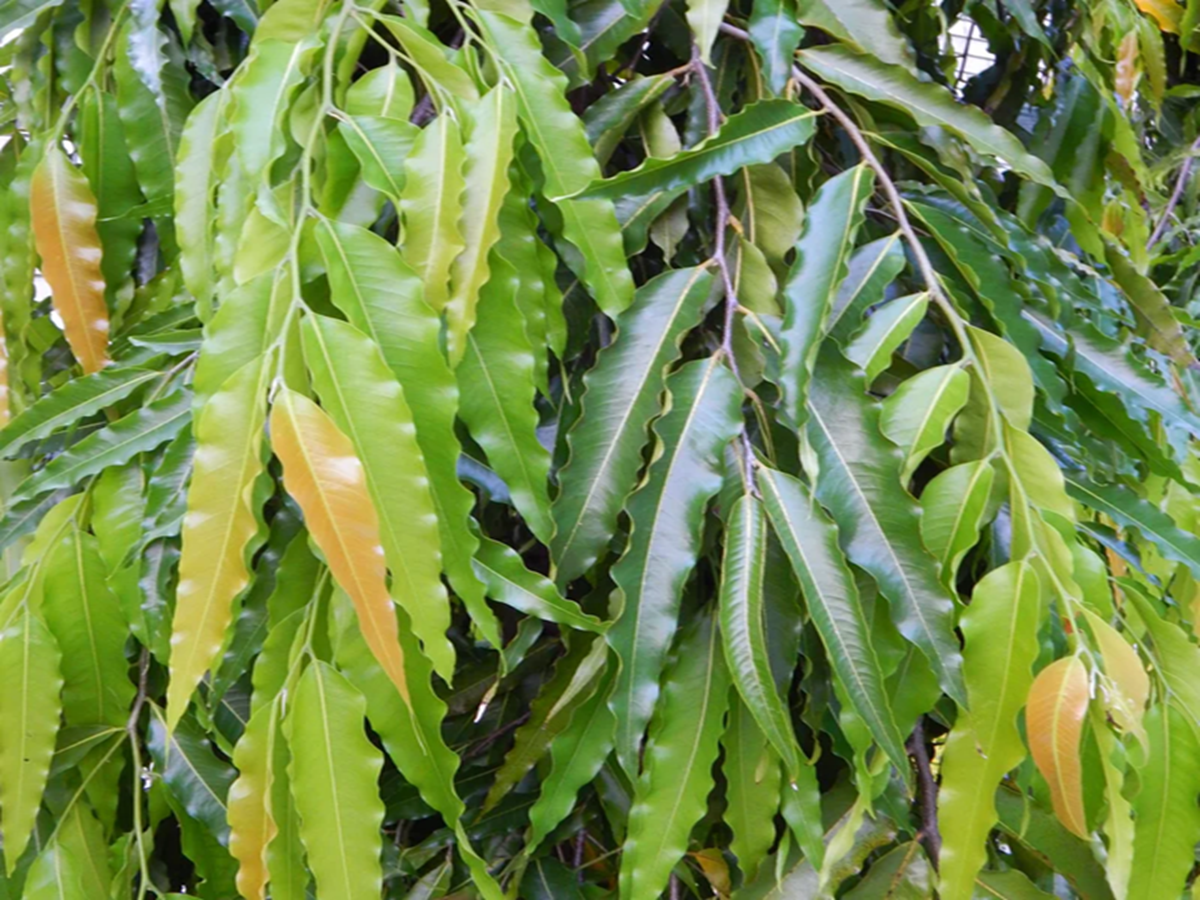
**The Ashoka Tree** – The Ashoka tree is revered in Buddhism, Jainism, and Hinduism, and is also associated with Kamadeva (the God of Love). It is believed that Shakyamuni Buddha was born beneath an Ashoka tree in the Lumbini Garden. The *Ramayana* also mentions the *Ashoka Vatika*, where Lord Hanuman met Mother Sita. On auspicious occasions, *Torans* (decorative festoons) made of Ashoka leaves are hung at the main entrance of a home to maintain a pleasant and positive atmosphere within the household.
PC Social Media