LIFESTYLE
Real vs Fake Topaz: If you don't wear real topaz, it won't work, it will cause harm. Identify it in these 5 ways...

Real vs. Fake Topaz: Whenever someone thinks of improving their luck, advancing their career, or strengthening relationships, the first name that comes to mind is Topaz. In astrology, it's considered highly effective, enhancing the energy of the planet Jupiter. For this reason, people wear it with great expectations. However, the problem arises when there's so much manipulation in the market regarding real and fake stones that it's difficult to distinguish the right stone. Especially yellow topaz, which looks similar to topaz, is often purchased by people who think it's real. This not only results in financial loss, but also lacks the desired effect.
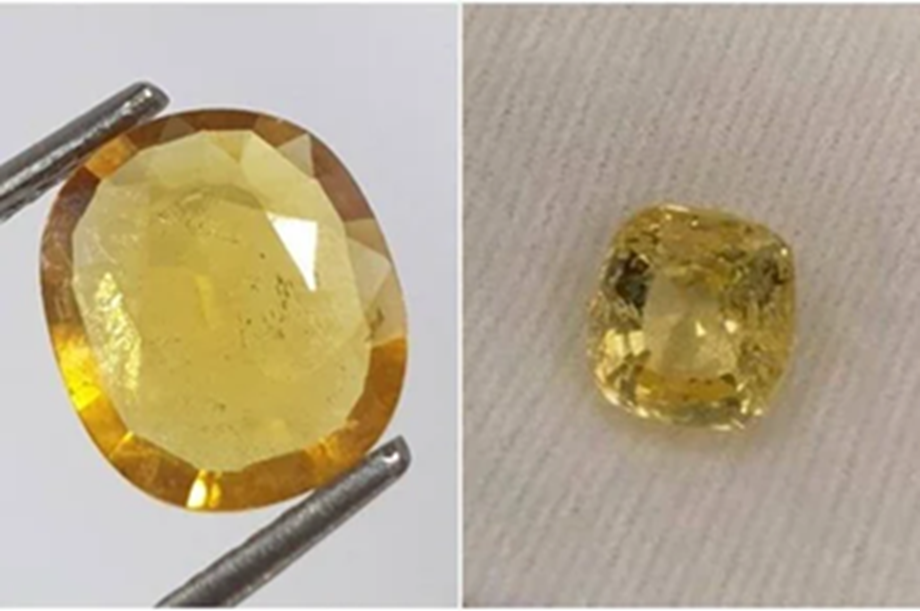
These days, from online stores to local jewelers, everyone offers a variety of yellow stones. Sometimes, even the shopkeepers themselves don't understand the difference between yellow topaz and topaz, and sometimes, some people deliberately deceive customers. In such a situation, it's important to have some understanding of yourself so that you can invest your hard-earned money in the right place. If you're planning to buy a topaz or have regretted buying the wrong stone in the past, this article will be very helpful. Here, we're sharing simple, practical, and 100% reliable methods to easily distinguish between yellow topaz and genuine topaz. Whether you're buying it for the first time or want to test an old stone, using these methods will help you clearly identify whether it's real or just a fake. Bhopal-based astrologer and Vastu consultant Pandit Hitendra Kumar Sharma provides more information on this subject.
1. Genuine Topaz Has a Slight Milky Glow
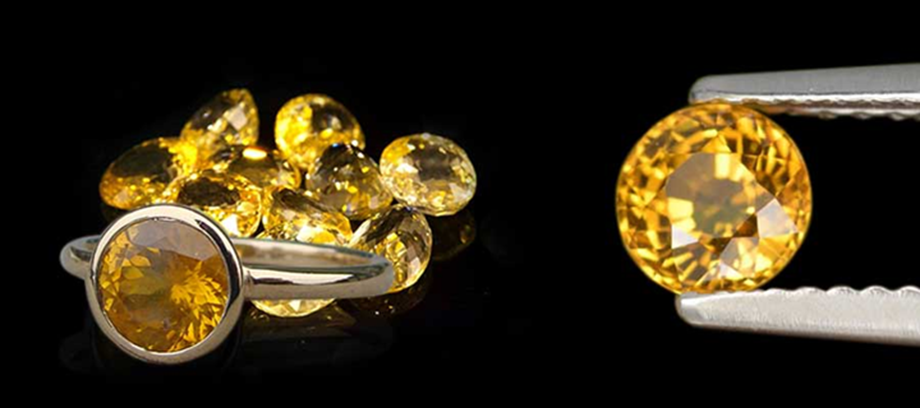
Genuine topaz can be identified by its shine. It exhibits a slight milky glow, which is very natural and gentle. Yellow topaz, in contrast, has a more intense, glass-like shine and a piercing luster. If the stone appears too bright when held in the light, then it's not a topaz.
2. Small inclusions are visible on the surface of topaz.
Natural topaz has fine spots or lines called inclusions. This is evidence that the stone is real and not lab-created. On the other hand, yellow topaz has a very clear, almost glass-like appearance. If the stone is crystal clear, it is more likely a fake.
3. The weight will tell the difference.
Real topaz is slightly heavier. The difference is evident when you hold it in your hand. Yellow topaz is lighter in weight. Of stones of the same size, topaz always feels more solid and dense. If the stone feels lighter when you hold it, be sure to test it again.
4. Topaz's color does not change when heated.
Real topaz is heat-resistant; its color remains the same if you place it in a mildly warm environment or apply the heat of your palm. However, yellow topaz can change its shine or tone even with mild heat. Don't test it directly on fire; simply heat it gently in your palm and observe the color change.
5. You can also judge the price by looking at it.
Genuine topaz isn't cheap, especially those over 5 ratti. If someone is offering you "genuine topaz" for a very low price, it's 90% likely to be yellow topaz or glass. Genuine jewelers always provide the stone with a certificate. So, don't make the mistake of buying a stone without a bill or certificate.
PC Social Media