
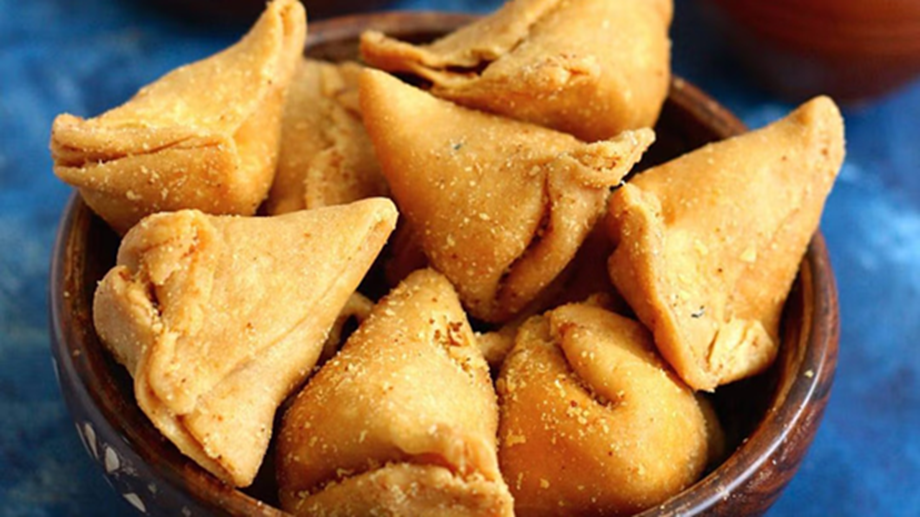
Why Samosa Is Unhealthy? In our country, India, samosa is not just a snack, but an important part of the emotions and daily routine of millions of people. Whether it is light rain or to get rid of evening fatigue, everyone's mouth starts watering at the sight of hot samosas. Almost everyone, from children to old people, likes the wonderful taste of this samosa.

But there is another aspect of it, which we often ignore. Have you ever wondered how harmful this delicious-looking samosa can be for your health? Often, we get so immersed in its tempting taste that we do not pay attention to its negative effects. Experts constantly warn that excessive consumption of samosas can lead to many serious health problems. Let us now know why samosa is harmful to our health, so that you can consume it wisely.
Deep fry: The main reason for unhealthy fat
The biggest reason behind the samosa being tasty is that it is deep-fried. In most places, samosas are fried in oil that has been heated repeatedly. Repeated heating increases the amount of trans fat and saturated fat in the oil.
Both these types of fats are extremely harmful to our heart health. They not only increase bad cholesterol in the body, but also reduce good cholesterol, which greatly increases the risk of heart disease, stroke, and high blood pressure.
Use of refined flour and its effect on digestion
The outer layer of a samosa is made of refined flour. In the process of making refined flour, bran and germ are removed from wheat, which causes a severe lack of fiber and nutrients. Due to a lack of fiber, refined flour is not easily digested and can cause heaviness in the stomach, constipation, and other digestive problems.
In addition, refined flour has a high glycemic index, which means that it increases blood sugar rapidly and then drops suddenly, causing hunger quickly, and energy levels remain unstable. This can be especially harmful for diabetic patients.
High calorie and low nutrition
The potato filling and the deep-fried maida layer in the samosa make it a calorie powerhouse. It is rich in carbohydrates and fats but has little or no essential nutrients like protein, vitamins, and minerals.
Samosa is a food that gives you energy but does not provide much nutrition. Its regular consumption is a direct cause of obesity and other obesity-related diseases like diabetes and heart disease.
Hygiene and other hidden risks
Samosas sold on the roadside or in small shops can be more harmful due to a lack of hygiene. Dirty utensils used in making juice, contaminated water, or samosa that are not covered properly can easily breed bacteria and germs. This can lead to problems like stomach infection, diarrhoea, and food poisoning.
How many samosas should one eat?
Many people have this question in their minds: how many samosas should a healthy person eat? According to experts, one samosa a week can be less harmful to your health. So the next time you feel like eating a samosa, take care of your health and consume it in limited quantity, or choose to make it in a healthy way at home.
PC Social media