Parenting
Sibling Economy: Does a 'Sibling Economy' operate in your home too? This habit of children could make them smart..
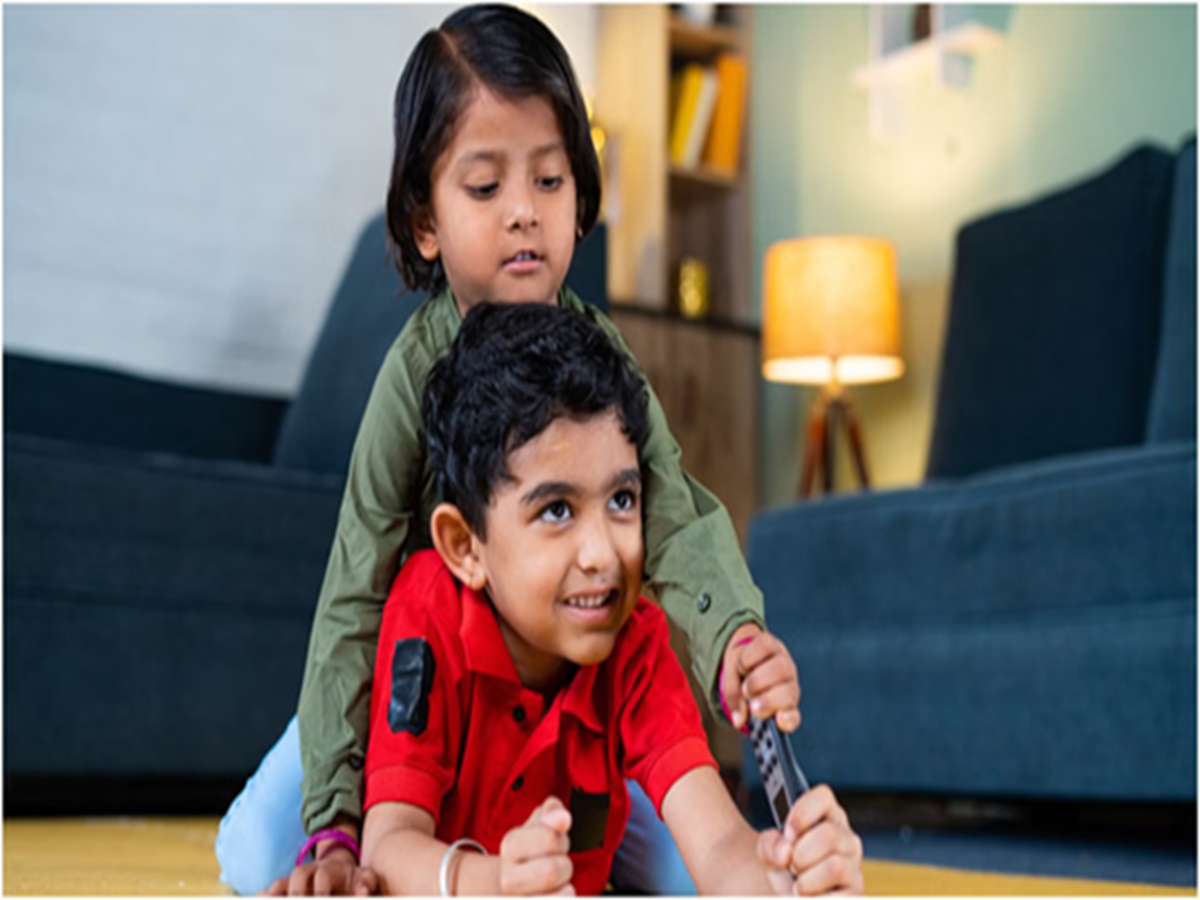
Kids Are Becoming Money Smart: Your son hands over his video game to his sister in exchange for borrowing her bicycle. Later that night, the very same brother asks his sister for a share of her chocolate in return for helping her with her homework. Meanwhile, to cover up each other's mistakes, they might demand a portion of the other's pocket money. You might view this as inappropriate, but child psychologists consider it a part of the "Sibling Economy."
What is the Sibling Economy?
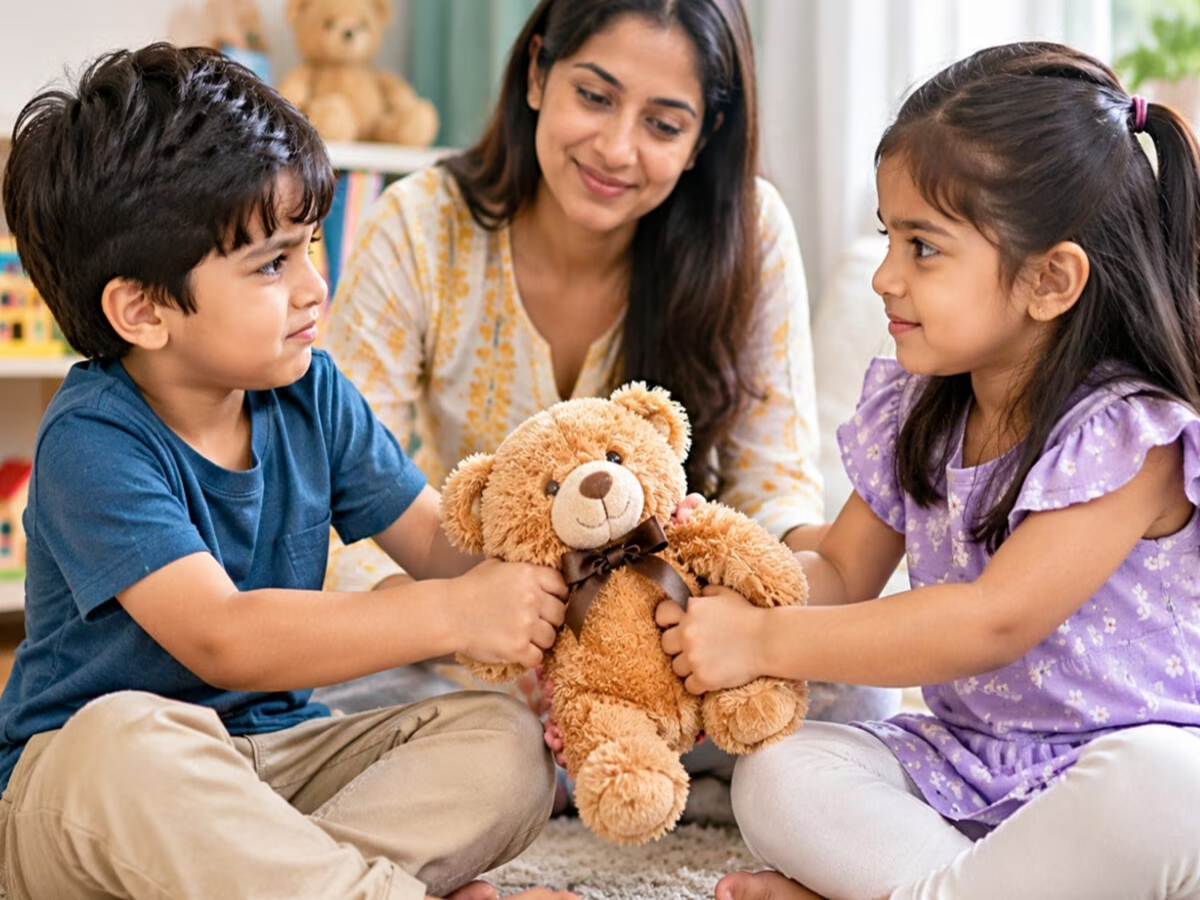
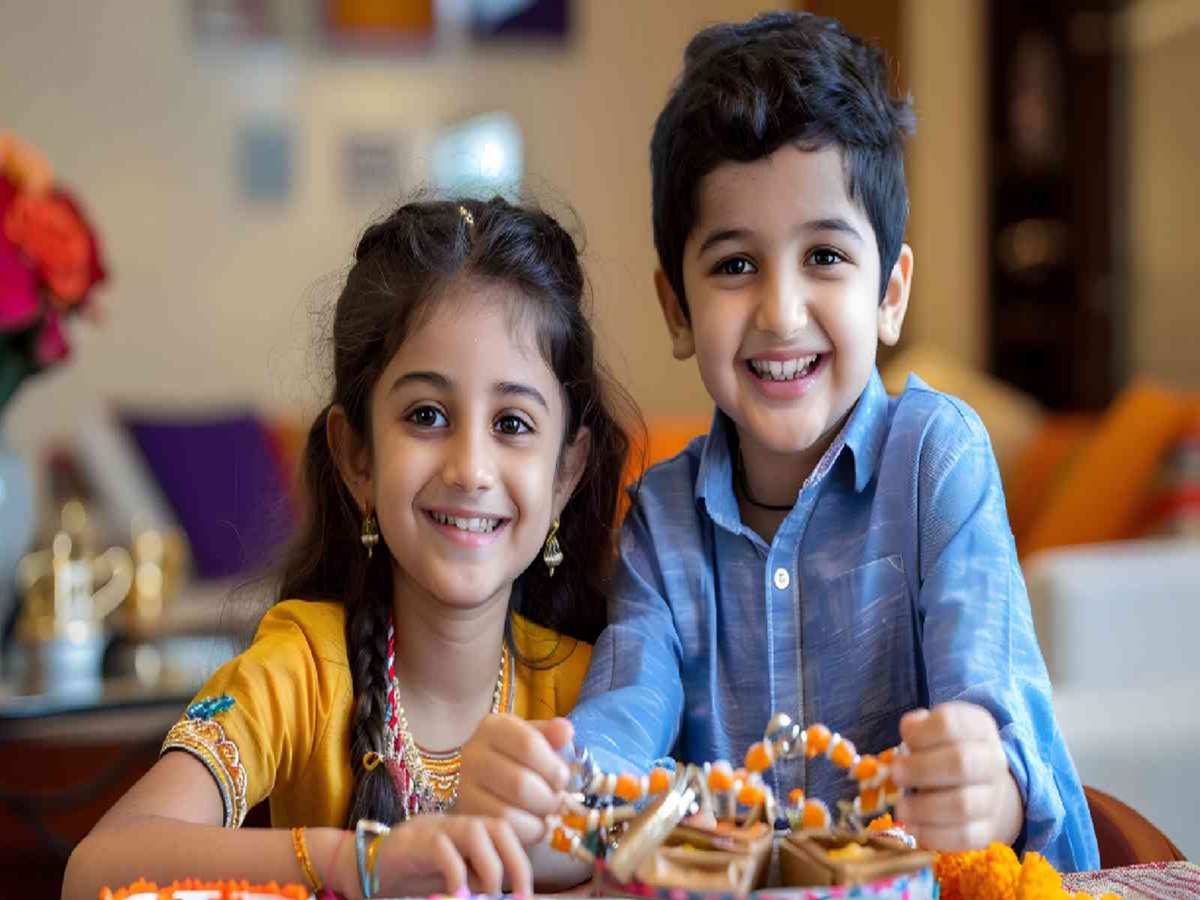
This is a concept that, while it may not be explicitly defined in textbooks using complex terminology, has been a long-standing practice in almost every Indian household for years. It refers to the small-scale domestic deals, mutual agreements, and exchanges that take place between siblings. Examples include sharing toys, exchanging books, or reaching a consensus regarding TV time or pocket money. These minor transactions teach children that everything has value and that every decision carries a consequence.
What Studies Suggest
Numerous studies in the field of child psychology indicate that children who engage in negotiation and sharing during their childhood are better equipped to make sound decisions in the future. According to the American Psychological Association, this process fosters the development of both social and financial competencies in children. Furthermore, according to the University of Cambridge, the rapport established between siblings strengthens their sense of empathy—a quality that eventually becomes an integral part of their personality.
Valuable Lessons Learned
Through the Sibling Economy, children grasp the importance of both money and time at a very young age. Studies suggest that children who begin making financial decisions between the ages of 10 and 12 are better prepared to handle financial stress later in life. This habit also instills in them a greater sense of responsibility and self-reliance. Additionally, the agreements forged between siblings enhance their mutual communication, thereby reducing conflicts and fostering greater cooperation.
Real-Life Skills
In today's world—where children spend the majority of their time glued to mobile phones and screens—the Sibling Economy can serve as an effective and accessible method for teaching them essential real-life skills. Small domestic exchanges foster habits in children—such as communication, compromise, patience, and cooperation—that cannot be acquired from a book or an app. This is not merely a minor domestic system; it serves as the very foundation for their future.
Your Role is Crucial
Parents play a pivotal role in this process. If parents intervene in every minor squabble or negotiation, children will never get the opportunity to learn; however, if you allow children to make their own decisions within established boundaries—offering assistance only when necessary—the "Sibling Economy" will take on a positive and constructive form.
Developing Life Skills
Child psychologist Gargi Malgudi explains that while the Sibling Economy may initially begin with the exchange of items or the pursuit of a favorite object, it gradually cultivates an understanding of budget management in children. Through dialogue, compromise, and cooperation among siblings, mutual relationships are strengthened.

Children learn to understand one another's emotions, thereby enhancing their emotional intelligence. They learn to distinguish between appropriate and inappropriate emotional responses and make decisions with a balanced perspective. Over time, this fosters the development of critical life skills—such as patience, tolerance, problem-solving abilities, and the capacity to manage unexpected expenses—which will ultimately help them build better relationships and navigate life more effectively in the future.
PC Social Media