LIFESTYLE
Side Effects of Eyebrow Threading: Eyebrow threading can pose these risks—know this before visiting the salon..
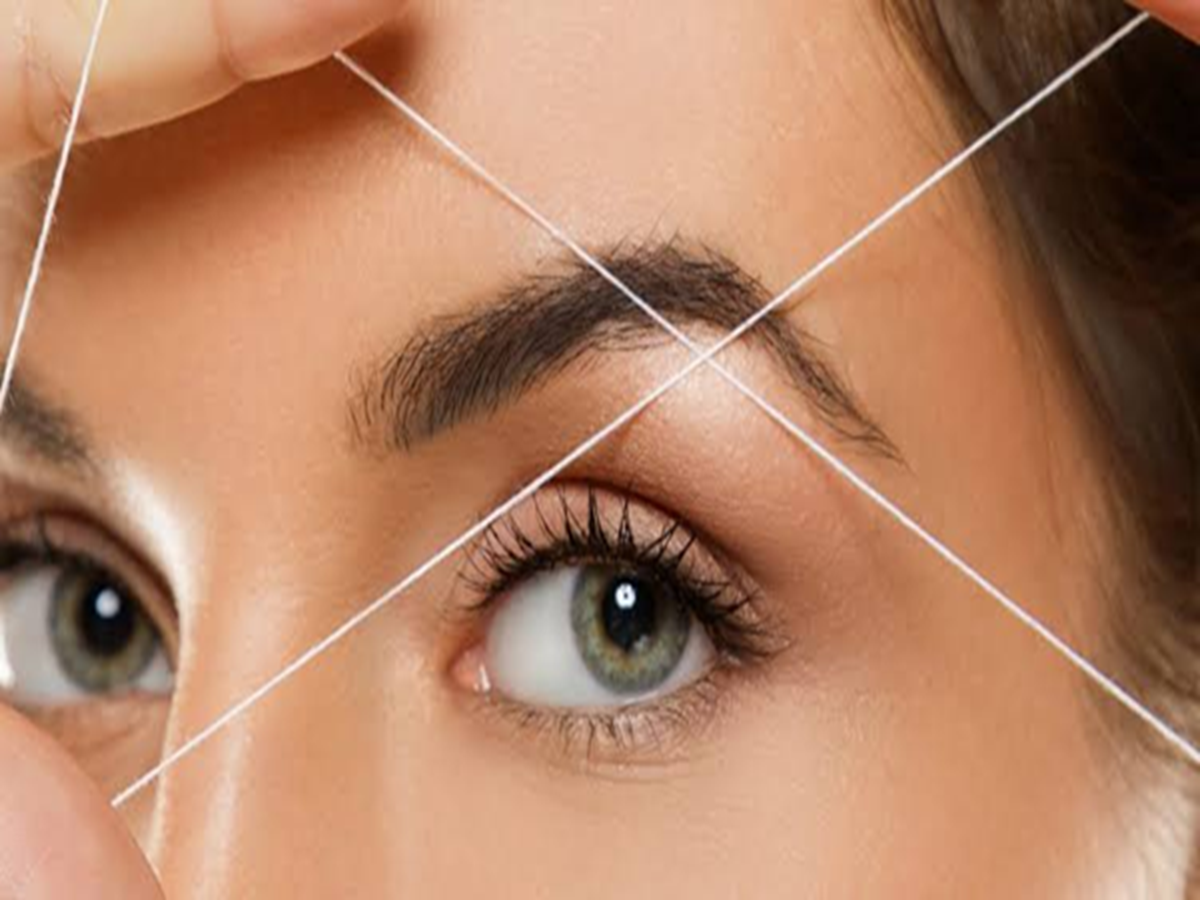
Side Effects of Eyebrow Threading: Threading is a highly popular beauty treatment among women for shaping eyebrows. It offers a clean and attractive look by removing excess brow hair in just a few minutes. However, threading cannot be considered entirely risk-free. Since the hair is pulled out from the root during this process, it can affect the skin.
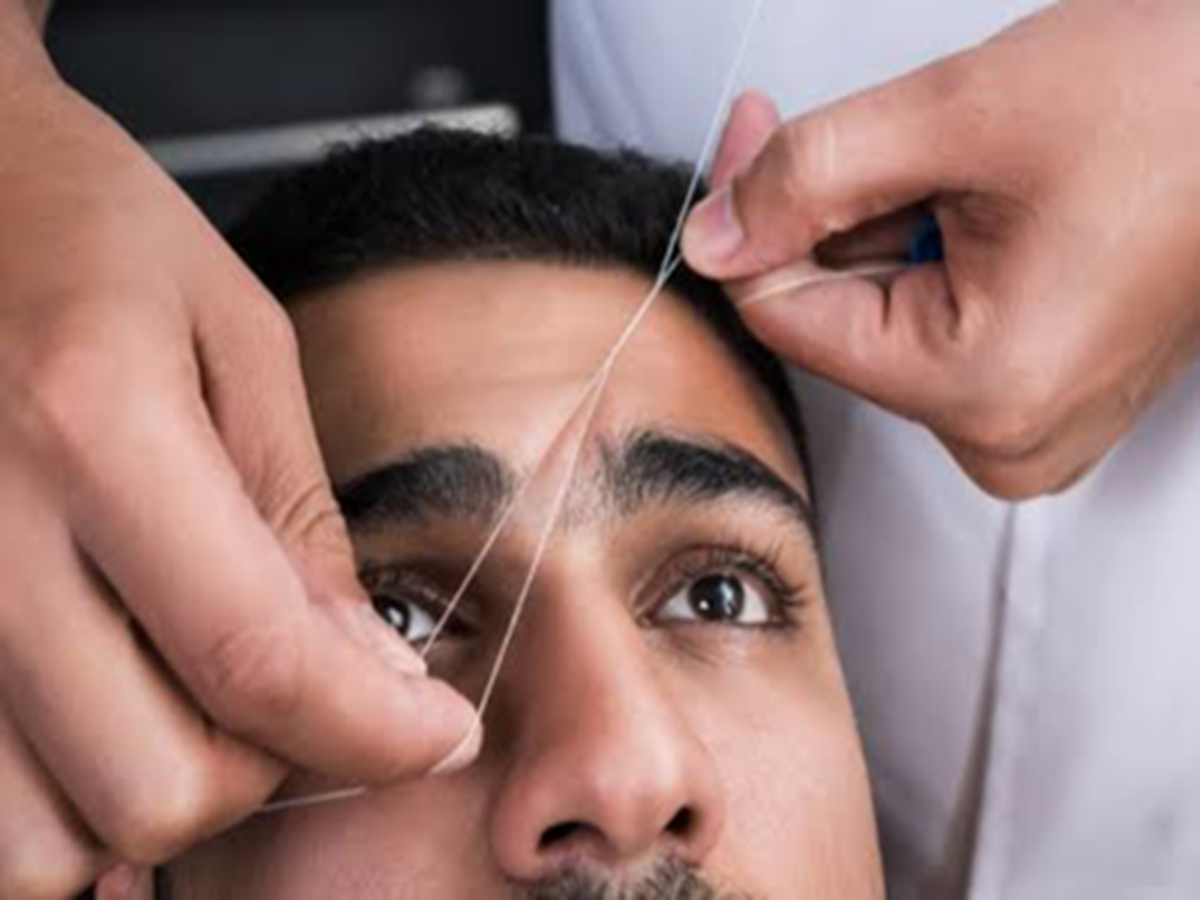
Issues such as infections can arise due to incorrect technique or a lack of proper hygiene. Therefore, it is crucial to be aware of certain precautions before visiting a salon. Here, we provide information regarding this.
Potential Side Effects of Eyebrow Threading
1. Redness and Irritation
Mild redness, irritation, or swelling around the eyebrows after threading is common. This discomfort may persist for a longer period in individuals with sensitive skin.
2. Small Bumps or Folliculitis
Since threading removes hair from the root, it can cause irritation or inflammation in the hair follicles. This may result in small red bumps, itching, or acne-like lesions.
3. Risk of Infection
If proper hygiene is not maintained during threading, bacteria can enter the skin. This can lead to problems such as redness, pain, swelling, or pus-filled bumps. Therefore, ensure you get threading done only at a clean and hygienic salon.
4. Cuts or Skin Injuries
The skin around the eyes is very delicate. Incorrect technique or excessive pressure during threading can cause scratches, minor cuts, or injuries to the skin.
5. Distorted Eyebrow Shape
If the person performing the threading lacks experience, they might remove too much hair. This can lead to uneven eyebrow shapes, and it may take time for the hair to grow back. Keep these points in mind before threading:
Get threading done only by an experienced professional who prioritizes hygiene.
A clean, fresh thread should be used for every client.
Ensure proper hygiene of hands and skin before and after the procedure.
Avoid threading if there are existing cuts, infections, or severe irritation on the skin.
Those using retinol or retinoids should consult a doctor or dermatologist before threading.
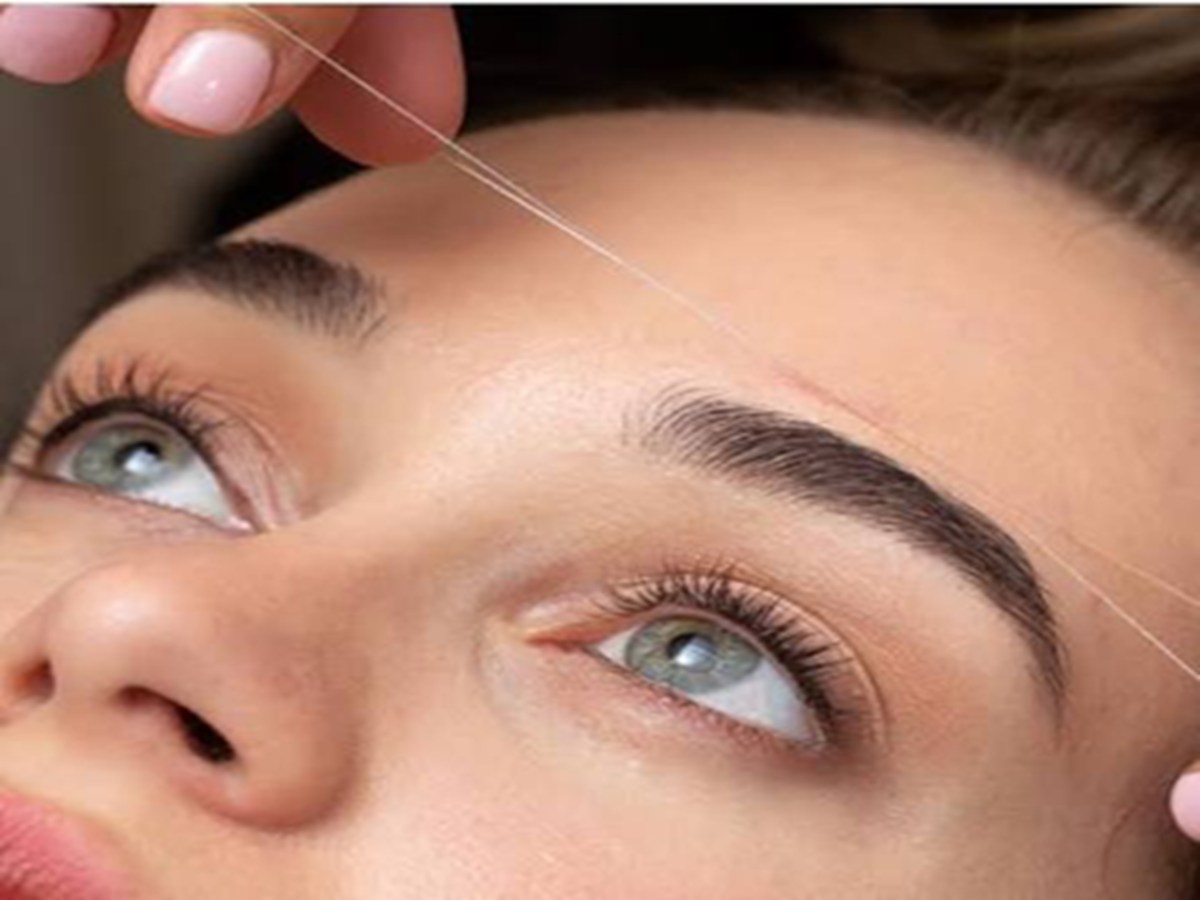
When should you see a doctor?
Consult a dermatologist if symptoms such as persistent swelling, increasing redness, pain, pus-filled bumps, or signs of infection appear after threading. Cases of folliculitis may sometimes require medical treatment.
PC Social Media