LIFESTYLE
Signs of Dangerous Dandruff: Be alert immediately if you notice these symptoms along with dandruff..
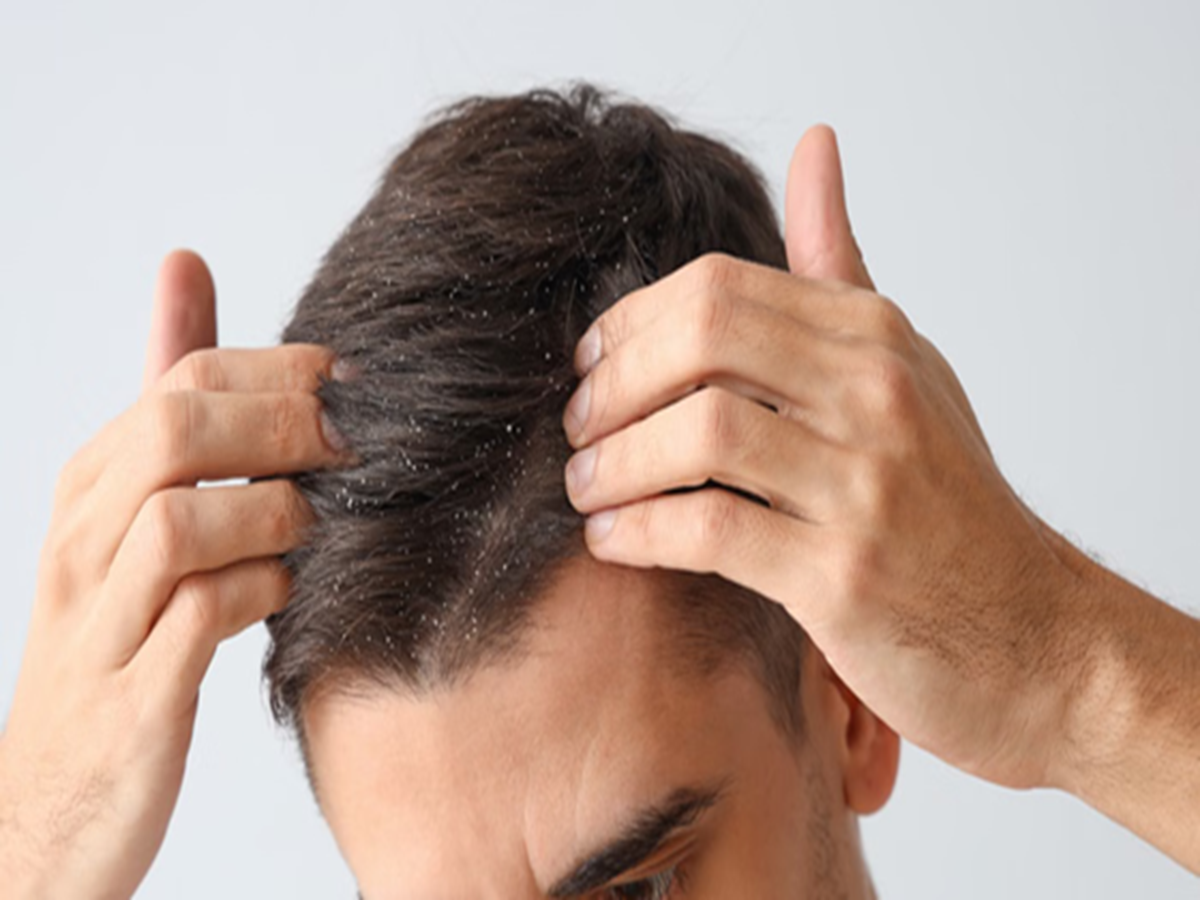
Signs of Problematic Dandruff: While dandruff is a common issue, it is not always right to dismiss it merely as dry skin. Dandruff can be caused by seasonal changes, excess scalp oil, fungal overgrowth, unsuitable hair products, or specific scalp conditions.
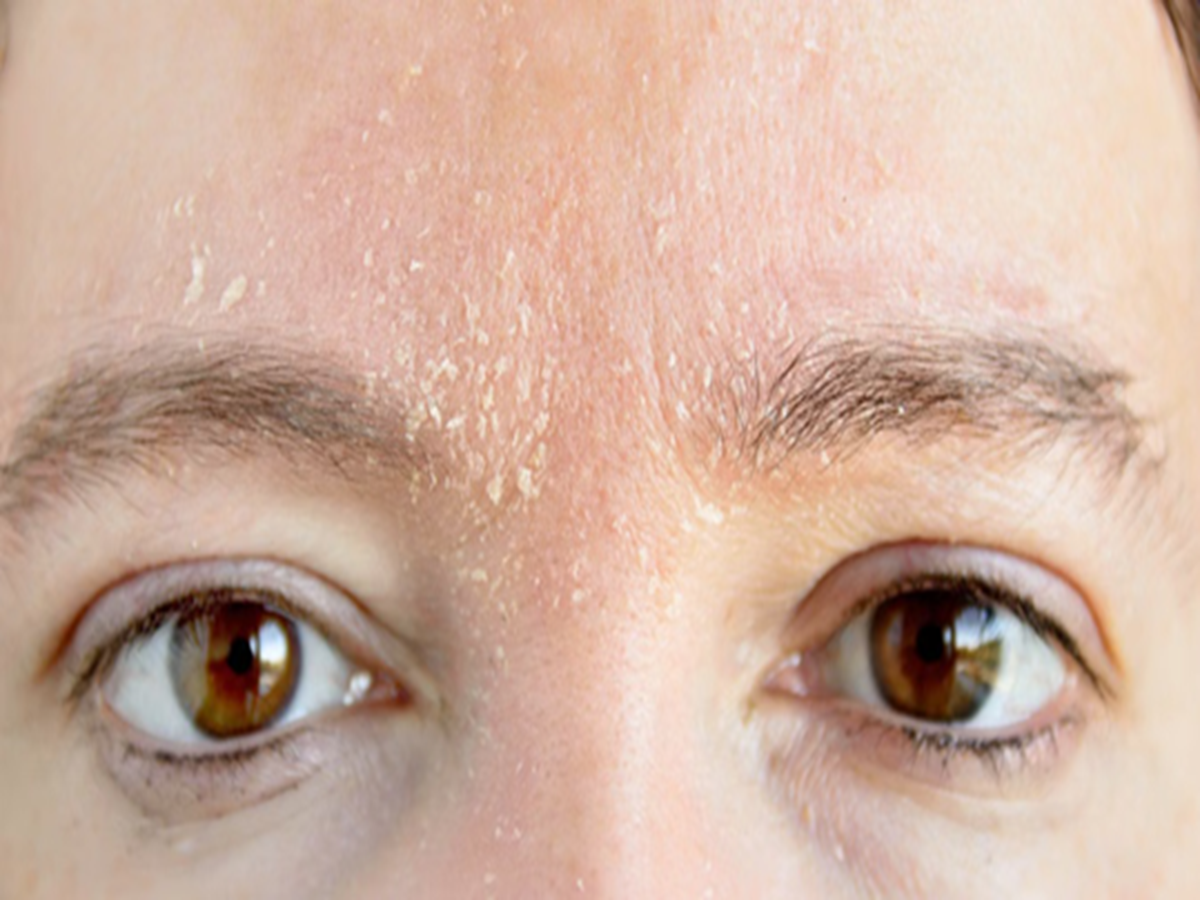
Common dandruff often presents as white or pale yellow flakes and may cause mild itching. However, if the problem persists or is accompanied by other scalp issues, an underlying skin condition could be the cause. In some cases, symptoms may extend beyond the scalp to the face, the area around the ears, or other parts of the body.
Therefore, if dandruff recurs, it is important to understand the underlying cause. Let us look at when dandruff is not considered normal and which signs should not be ignored.
1. Excessive Itching
While mild itching can accompany dandruff, do not ignore it if the itching is persistent or intense enough to make you scratch your head constantly. Excessive scratching can cause small wounds on the scalp and increase skin irritation.
2. Redness or Inflammation on the Scalp
If dandruff is accompanied by redness, a burning sensation, or inflammation of the scalp, it may not be ordinary dandruff. In such cases, it is best to consult a dermatologist, especially if the symptoms persist.
3. Formation of Thick, Adherent Flakes
Sometimes, white or yellow flakes become thick and stick to the scalp. Avoid repeatedly scraping them off with your fingernails. If such flakes continue to form, or if there is pain and a burning sensation in the scalp, a medical examination may be necessary.
4. Excessive hair loss
Dandruff itself is not always the direct cause of hair loss; however, persistent itching, inflammation, and vigorous scratching of the scalp can affect the hair. If you experience sudden or excessive hair loss alongside dandruff, consult a doctor.
5. Spread to the face or ears
If redness and scaling appear not only on the scalp but also on the eyebrows, around the ears, along the sides of the nose, or on the face, it could indicate another skin condition. In such cases, it is better to seek expert advice rather than applying creams or medications on your own.

When should you see a doctor?
You should consult a dermatologist if dandruff persists for several weeks despite home care, or if you experience scalp sores, pus, severe pain, inflammation, or rapid hair loss. Appropriate treatment can only be determined once the underlying cause is identified.
PC Social Media