LIFESTYLE
Smartphone Charger: A cheap charger might end up costing you dearly; 7 serious risks of using a fake charger..

Nowadays, smartphones have become an integral part of our lives. We spend thousands of rupees on buying a phone, but when it comes to the charger, we often pick up any cheap or 'non-original' charger from the market to save a few bucks. At first glance, this might seem like a small saving, but a wrong charger can halve the lifespan of your smartphone. Let's understand in detail how a non-standard charger harms your phone.
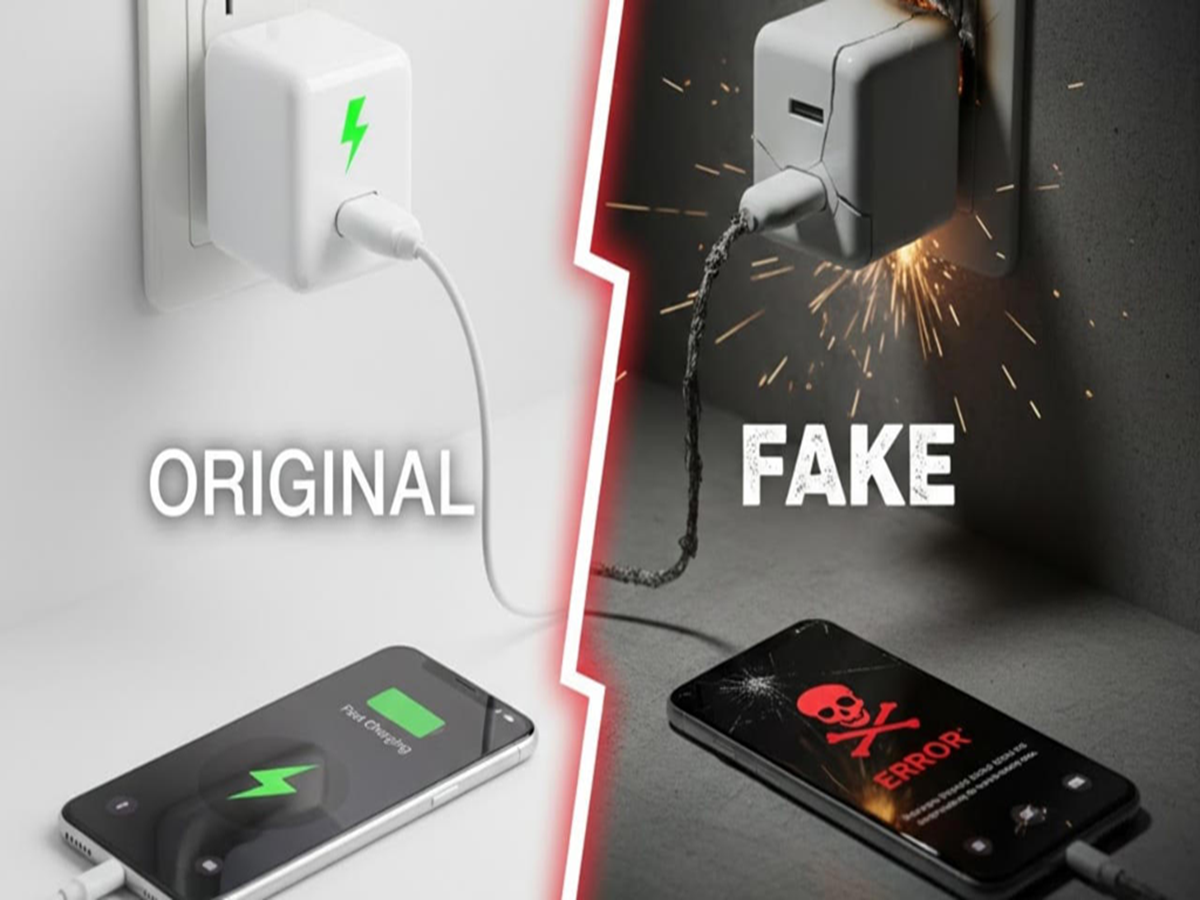
Important Information:
1. Extremely Slow Charging
Every smartphone company sets a specific charging standard for its phones (such as USB-PD, Quick Charge, or Dash). The original charger supplies power according to this standard. When you use a local charger, it doesn't provide the phone with the power it needs, causing the phone to take hours to charge.
2. Decline in Battery Health and Lifespan
Smartphone lithium-ion batteries are quite sensitive. Original chargers cut off the power supply when the battery is 100% charged and maintain a stable voltage. Fake chargers have unstable power delivery. This fluctuation in electricity damages the battery cells, causing the battery to swell or its backup to decrease within a few months.
3. Overheating: A Risk to Your Phone and Yourself
Low-quality chargers lack proper heat sinks and advanced circuitry. During charging, when electricity flows, these chargers generate excessive heat. This heat can not only melt the charger but also permanently damage your phone's processor and motherboard.
4. Disregard for Safety Standards (Safety Risks)
Branded chargers undergo rigorous safety testing. They have features like short-circuit protection and surge protection. Cheap chargers often bypass these safety standards. This increases the risk of electric shocks or the charger exploding.
5. Fast Charging Not Working
Nowadays, most phones support fast charging like 33W, 65W, or 120W. Even if a fake charger has "fast charging" written on it, the chips inside may not recognize your phone's charging protocol. As a result, despite having a powerful charger, your phone charges at a snail's pace.
6. Touchscreen and Software Problems
Have you ever noticed that when your phone is charging, the touchscreen starts acting erratically or becomes unresponsive? This is called ghost touch. It's caused by electromagnetic interference from a faulty charger. Prolonged exposure to this can cause the phone's software to crash or damage the display.
7. Cable Quality is Also Important
Often, people only replace the adapter and continue using the old or cheap cable. A low-quality cable cannot transfer data completely or provide the correct voltage. This increases the chances of the charging pin (charging port) becoming loose or burning out.
How to Make the Right Choice?
If your original charger is damaged, keep these points in mind:
MFi (Made for iPhone) or BIS (Bureau of Indian Standards) Certified: Always choose brands that have safety certifications (like the BIS mark in India).
Reliable Brand: If you're not buying the company's original charger, opt for universal chargers from reputable brands.
Check the Rating: Match the charger's output (V/A) with your phone's requirements.
PC Social Media