LIFESTYLE
Sumona Chakravarti: What is endometriosis? The condition for which Sumona Chakravarti had to undergo surgery..
Sumona Chakravarti, the TV actress famous for playing Kapil Sharma's on-screen wife (Manju Sharma) on 'The Kapil Sharma Show', recently underwent surgery for endometriosis. In a social media post, Sumona expressed her happiness at returning after a long hiatus. She shared that she had been away from the public eye for the past two months. She underwent surgery for endometriosis on May 4th. Despite long-term efforts to manage the condition, the disease had progressed significantly, and she felt it was time to address it.
She spent the last two months recovering both physically and mentally. She is now doing well—in fact, she is doing very well. She considers her doctor and their medical team to be nothing short of angels.
Following her post, many people have questions about endometriosis. What exactly is this condition? What causes it? And what steps can be taken to prevent it? Let’s explore these details.
First, let’s understand what endometriosis is.
Do you experience unbearable pain during your monthly periods, frequent bloating, severe lower back pain, or discomfort during sexual intercourse? These could be signs of endometriosis.
Endometriosis is not merely a pain-related issue but a chronic disease affecting an estimated 10% of women of reproductive age (15–49 years) worldwide. Experts believe that millions of women live with this condition but often go undiagnosed for years because early symptoms are frequently dismissed as normal menstrual pain.
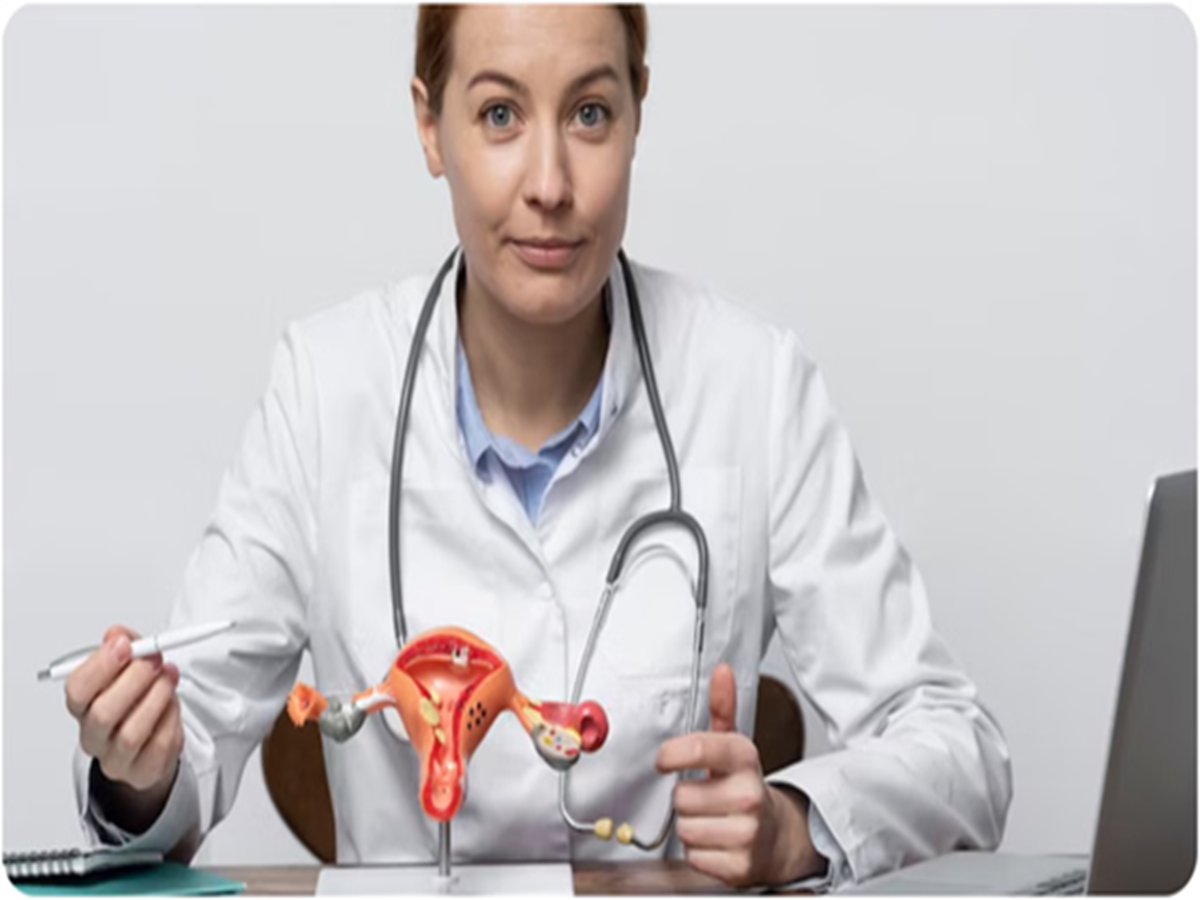
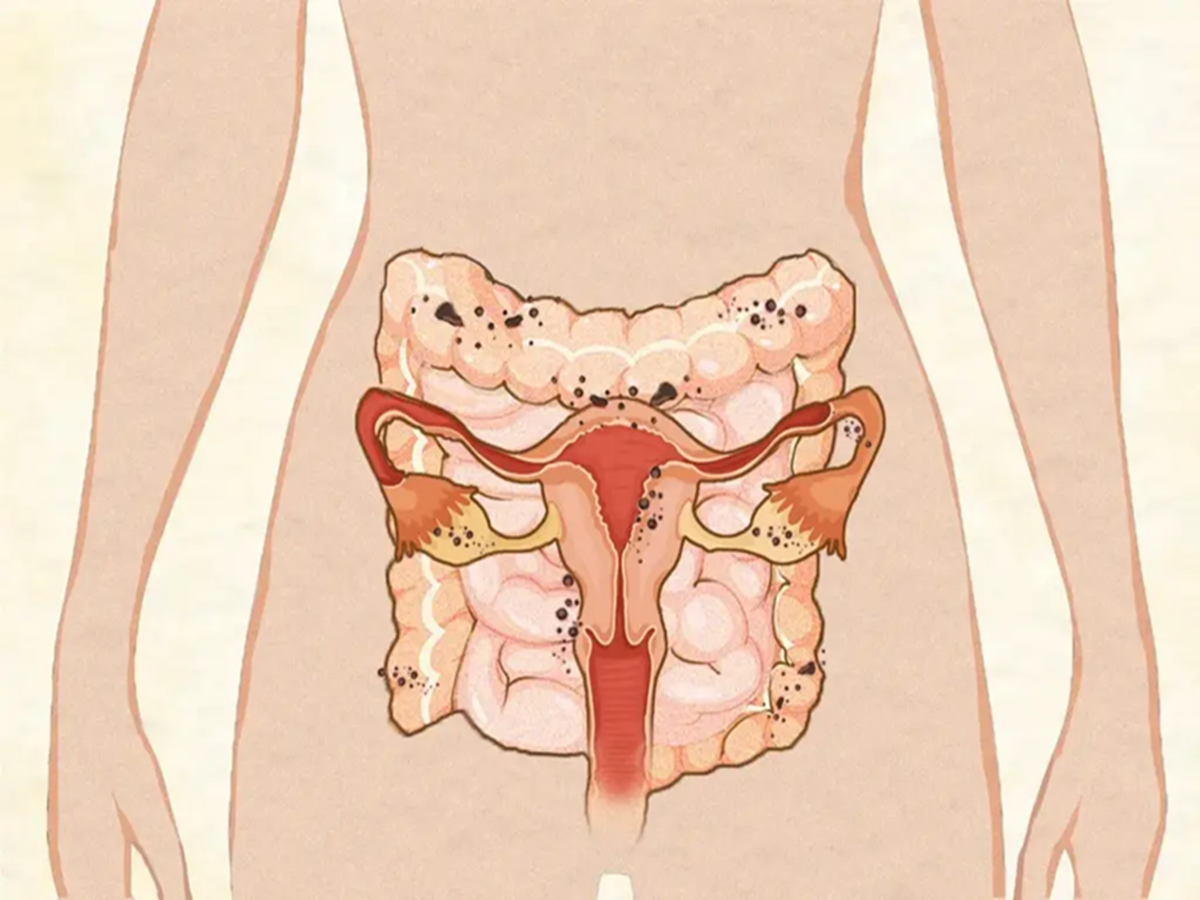
In endometriosis, cells similar to the lining of the uterus (the endometrium) begin to grow outside the uterus—such as on the ovaries, fallopian tubes, or in the pelvic region.
Like the uterine lining, these cells become active each month under the influence of hormones but are unable to exit the body. It can lead to inflammation, bleeding, cysts, and persistent pain.
What causes this condition?
The exact cause of endometriosis has not yet been scientifically proven, but certain factors may increase the risk.
In addition to genetic factors, immune system irregularities and hormonal influences—particularly estrogen—are considered contributing factors.
If a family member (such as your mother, grandmother, or sister) has endometriosis, your risk of developing it may be higher.
The risk is also higher for those who started menstruating at an early age, have a short menstrual cycle, or experience prolonged periods with heavy bleeding.
Could you be suffering from this condition?
A major challenge with endometriosis is that its early symptoms resemble ordinary menstrual pain; consequently, it is often overlooked.
Severe pain and cramping during periods.
Abdominal or back pain during periods or between menstrual cycles.
Excessive bleeding during periods.
Pain during sexual intercourse (dyspareunia).
Pain during bowel movements or urination.
Gastrointestinal issues such as diarrhea, constipation, or bloating.
PC Social Media