LIFESTYLE
The Body Gives These 8 Dangerous Warning Signs Before a Heart Attack; Ignoring Even One Could Be Perilous..
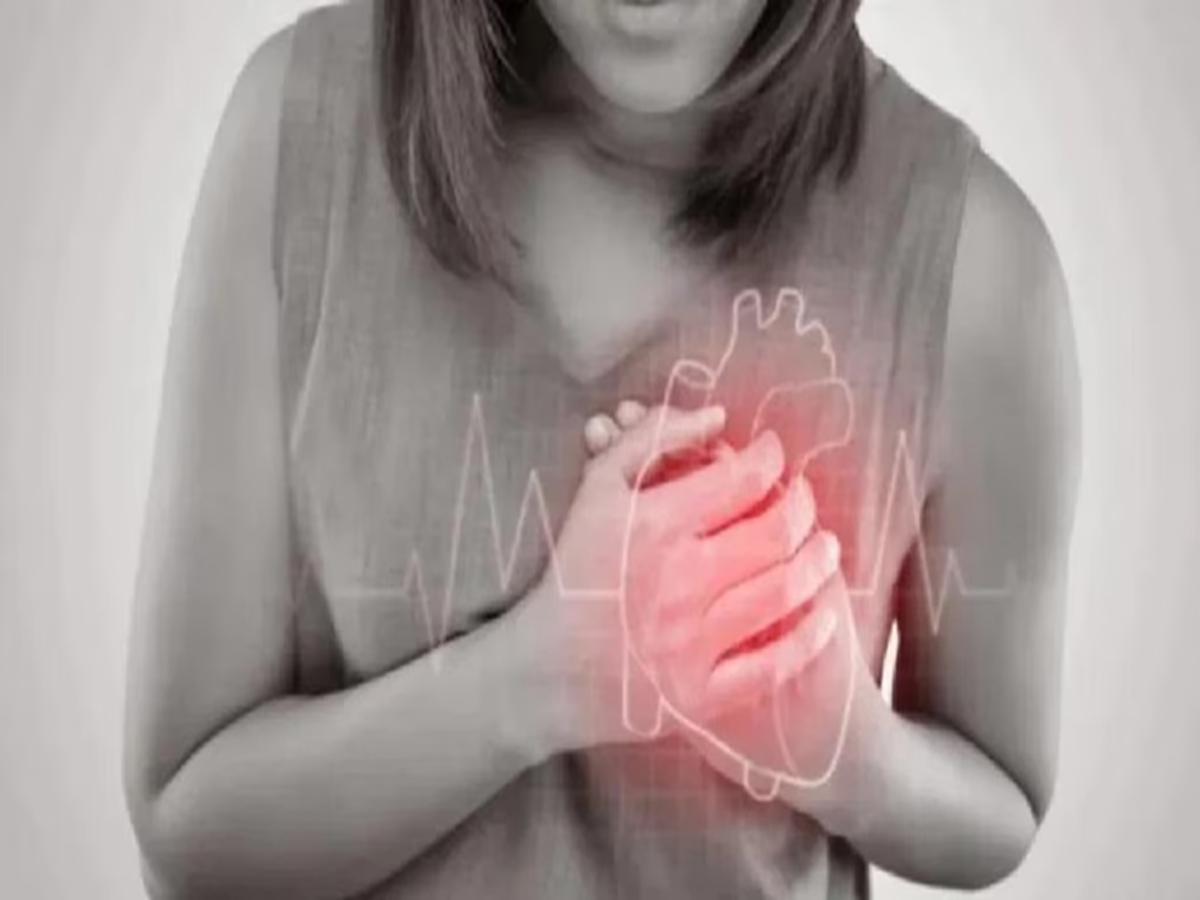
The mere mention of a heart attack often causes people to panic. While this condition frequently strikes without warning, the body often begins to send out subtle signals in advance; if recognized in time, these signs can be crucial in saving a life. The WHO also advises people to remain vigilant regarding the symptoms of a heart attack. According to experts, these warning signs can vary from person to person, yet certain symptoms should never be ignored.
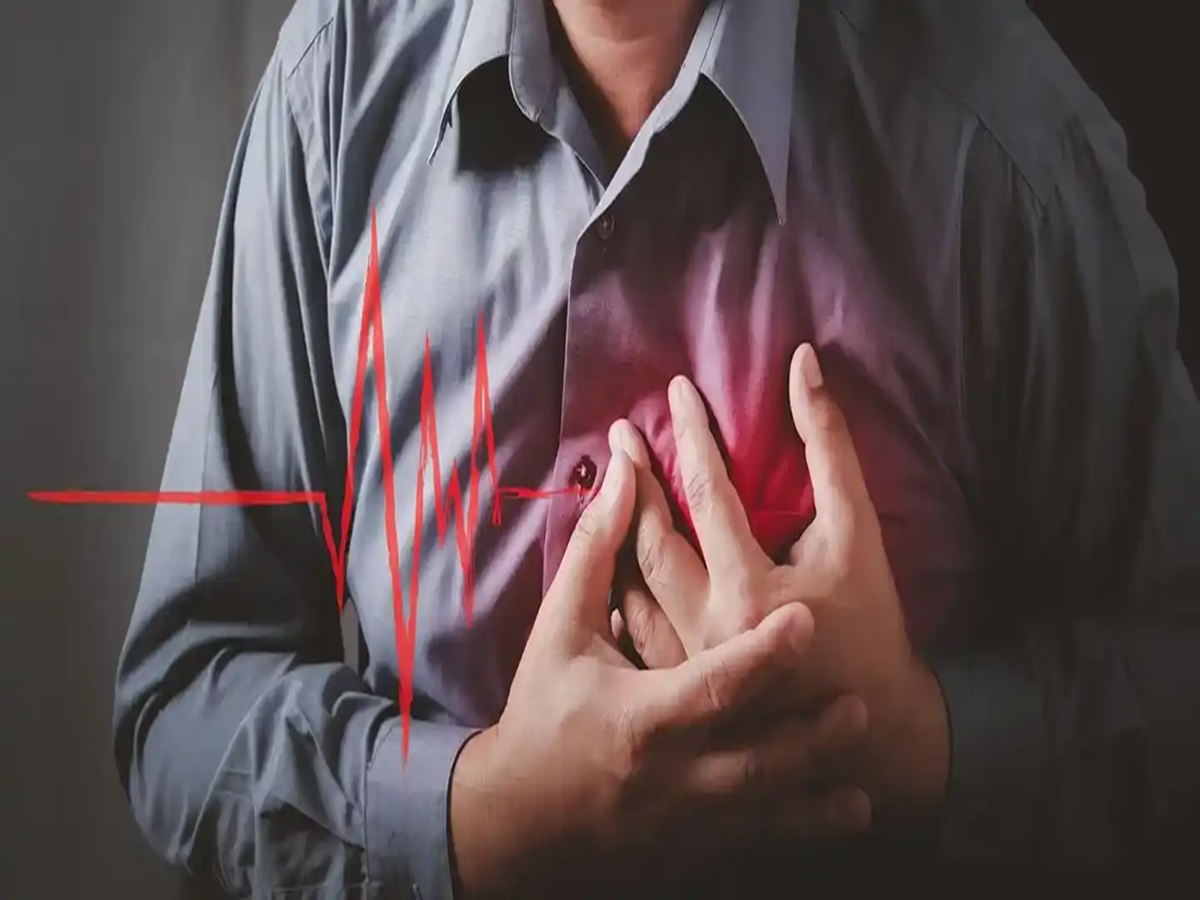
**Common Symptoms of a Heart Attack**
The most common symptom of a heart attack is a sensation of chest pain, tightness, heaviness, pressure, or discomfort. Often, this pain may radiate to the:
Arms
Left shoulder
Neck
Jaw
Back
**Difficulty Breathing:** Sudden shortness of breath or difficulty in breathing can also be a warning sign.
**Nausea and Abdominal Discomfort:** Some individuals may experience symptoms such as vomiting, nausea, or an upset stomach—sensations that are frequently mistaken for ordinary gas or indigestion.
**Dizziness and Excessive Sweating:** Sudden cold sweats (unrelated to physical exertion), feelings of weakness, or dizziness can also be serious warning signs.
**Pale Complexion:** According to experts, in many cases, the face may begin to look pale or ashen, and the body may appear visibly weak.
**Symptoms May Differ in Women and the Elderly**
Doctors note that the signs of a heart attack are not always obvious in women and the elderly. Often, symptoms may manifest merely as fatigue, restlessness, or mild shortness of breath; therefore, remaining vigilant is essential. If any symptom persists for more than 5 minutes, contact a doctor immediately or seek emergency medical assistance.
**What Can You Do to Prevent a Heart Attack?**
**Exercise Daily:** Engage in at least 30 minutes of physical activity every day. Brisk walking, yoga, cycling, and swimming are excellent ways to help keep your heart healthy.
**Maintain a Balanced and Healthy Diet:** Incorporate fruits, green vegetables, whole grains, lentils, and similar foods into your daily meals. In conjunction with this, limit your intake of fried foods, excessive salt, sugar, and processed foods.
Avoid smoking and alcohol—smoking is considered a major cause of heart disease. Additionally, excessive alcohol consumption can also be detrimental to the heart.
Undergo regular check-ups—it is essential to periodically monitor your blood pressure, cholesterol, and blood sugar levels, particularly after the age of 30.
Reduce stress and ensure adequate sleep—meditation, Pranayama, and sufficient sleep help alleviate mental stress, which has a direct impact on heart health.
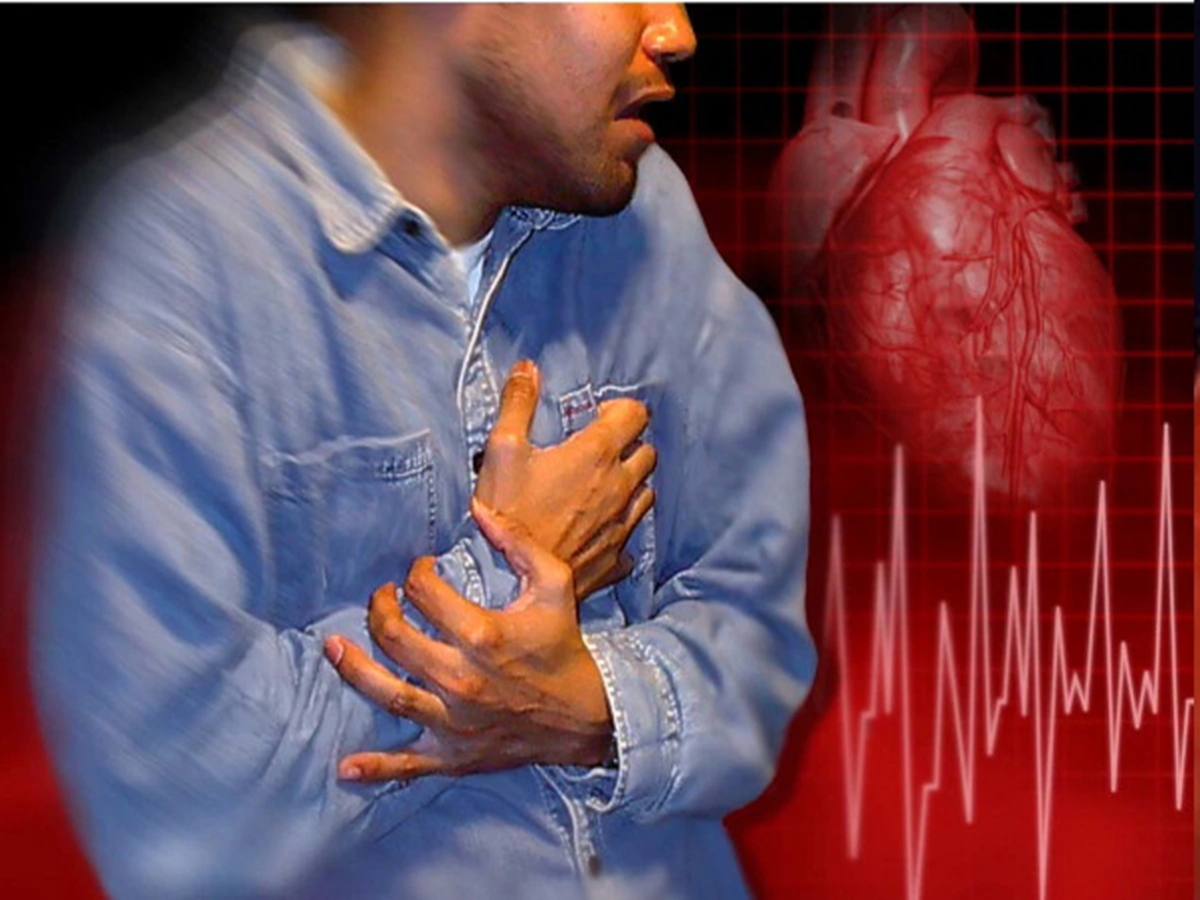
What to do in the event of a heart attack?
Lay the patient down in a comfortable position.
Loosen any tight clothing.
Call for immediate medical assistance.
Aspirin may be administered as per a doctor's advice.
PC Social Media