
LIFESTYLE
The doctor explains: Asthma attack cases increase during winter—is it possible to prevent them even without an inhaler?

Winter has arrived in most parts of the country, and the mercury has begun to drop. While this season is pleasant for many, it can pose significant challenges for those already suffering from certain medical conditions, such as asthma.
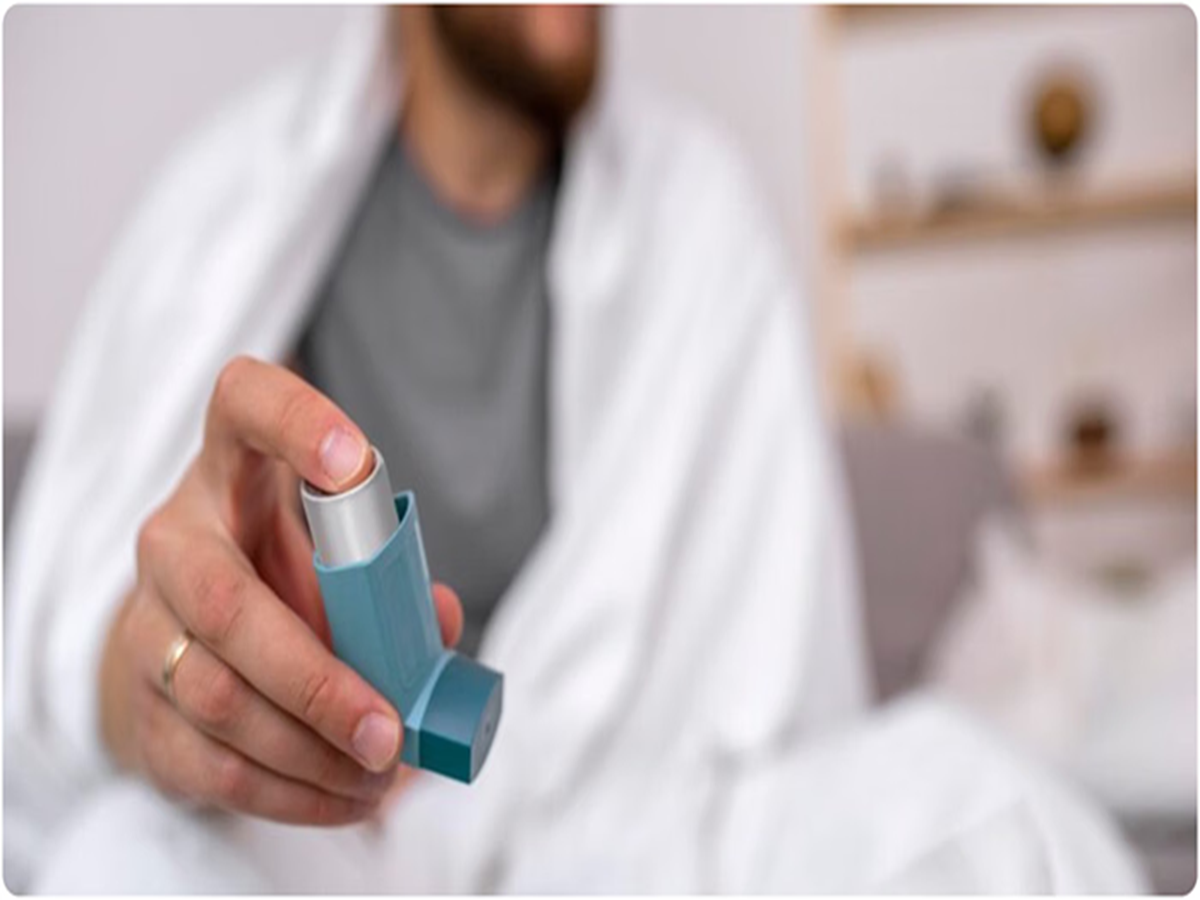
Asthma—a condition that can cause persistent coughing, chest tightness, and a wheezing sound while breathing—can become particularly troublesome during this time of year. Patients often rely on their inhalers to manage these respiratory difficulties. However, it is important to note that finding relief through an inhaler does not necessarily guarantee that one’s asthma is fully under control. Following new medical guidelines introduced in the UK, many patients are now feeling confused regarding the use of inhalers.
Let us explore these new recommendations and examine how asthma symptoms can be managed—or addressed—beyond just the use of an inhaler.
The Risk of Asthma During Seasonal Changes
Health experts note that as the seasons change, there is an increase in the number of patients seeking hospital care due to worsening asthma symptoms. During the winter, factors such as cold air, common colds, dampness in homes, the presence of mold, and exposure to smoke can all exacerbate asthma. To manage these symptoms, many patients become heavily dependent on inhalers—devices designed to deliver medication directly into the lungs via inhalation, which helps alleviate asthma symptoms.
However, there are two key points to consider.
First, the UK’s National Health Service (NHS) has updated its guidance regarding the types of inhalers prescribed to patients, a change that has left many feeling confused. Furthermore, health experts state that asthma can be significantly controlled through certain lifestyle changes. These adjustments can be just as essential as using an inhaler—in some cases, perhaps even more so.
Health experts note that asthma can develop at any age. Individuals prone to allergies, eczema, or inflammation may face a higher risk. A family history of asthma can also increase one’s susceptibility. It is a mistake to dismiss asthma as a trivial condition; in the UK, approximately four people die every day due to severe asthma attacks. It is believed that many of these deaths could be prevented with timely, appropriate treatment and necessary precautions.
New Types of Inhalers for Asthma
In late 2024, the UK updated its clinical guidelines for asthma treatment. This shift led to some confusion among patients regarding the use of new medications and inhalers.
Simply put, rather than relying solely on the traditional "blue" inhaler—as was common practice—many patients are now being advised to use different types of inhalers. This is because, while the blue inhaler provides quick relief from breathing difficulties, it does not address the underlying inflammation in the airways.
Modern inhalers often combine two types of medication: a steroid to reduce airway inflammation, and formoterol, which acts rapidly to help open the airways.
Beyond Inhalers: The Importance of Lifestyle Changes
Dr. Philippa Kaye, a prominent General Practitioner in London, emphasizes that while using the correct inhaler is crucial for managing asthma attacks, relying exclusively on medication is not sufficient for long-term control. Taking simple, proactive precautions—especially during seasonal transitions—can also be highly beneficial. Cover your nose and mouth with a scarf when going outside.
Wrapping a scarf lightly around your nose and mouth when heading out in cold weather is a simple yet effective measure. While it may seem trivial, it can be quite beneficial.
A scarf helps to slightly warm and humidify the cold air you inhale. This alters the temperature of the air before it reaches your lungs, reducing the shock that cold air might otherwise cause to your airways.

Exercise daily, but with caution.
Regular physical activity is essential for individuals with asthma. Many patients fear that exercise might trigger shortness of breath or an asthma attack, leading them to avoid physical activity altogether. However, regular exercise improves the functioning of the heart and lungs and can help in keeping asthma under control. Activities such as brisk walking, light jogging, cycling, or swimming can be particularly beneficial.
PC Social Media