
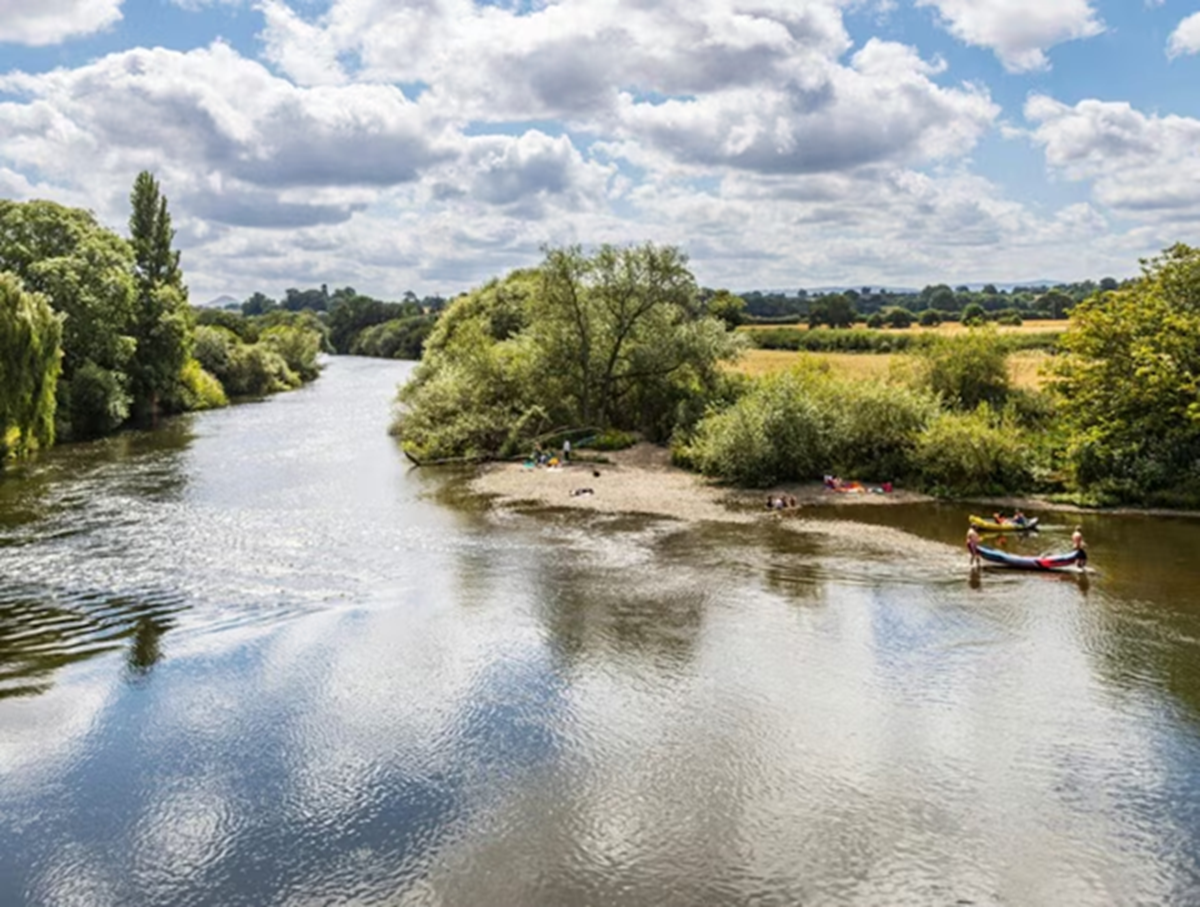
Why are rivers important for our lives? Rivers are like the arteries of our planet; they are far more than mere conduits transporting water from mountains to the sea. These complex and dynamic systems have long shaped the trajectory of both biological evolution and human history. Their significance can be categorized into four main pillars: ecological health, human survival, and economic development.

From an ecological perspective, rivers constitute some of the most biodiverse habitats on Earth, relative to their size. Although freshwater ecosystems cover less than 1% of the Earth's surface, they support more than 10% of all known species and approximately 40% of all fish species. Rivers serve as biological corridors, facilitating the migration of species and the dispersal of genetic diversity.
The areas along riverbanks—known as riparian zones—act as natural filters. They intercept pollutants and sediment before they enter the main channel, thereby maintaining water quality for both aquatic life and the communities residing downstream. Furthermore, periodic river floods carry nutrient-rich silt, which is deposited onto floodplains, rendering them some of the most fertile lands available for agriculture.
For humanity, rivers serve primarily as a source of life-sustaining freshwater. Long before the advent of modern technologies such as desalination or deep-well drilling, civilizations were compelled to settle in proximity to flowing water. Even today, billions of people rely directly on rivers for drinking water, sanitation, and hygiene.
From an economic standpoint, rivers have historically served as the world's "highways." Even in this era of air travel and high-speed trains, inland waterways remain one of the most economical and energy-efficient methods for transporting heavy commodities such as grain, coal, and ore.
Rivers also play a pivotal role in the global transition toward sustainable energy. Hydropower—generated from the kinetic energy of flowing water—supplies a significant portion of the world's electricity. Unlike solar or wind energy, which can be intermittent, river-based electricity provides a stable and carbon-free "baseload" of energy—provided, of course, that dams and reservoirs are managed with ecological sensitivity.

In the context of climate change, rivers function as a vast drainage system. They channel away excess rainwater from surface runoff, thereby helping to prevent issues such as waterlogging and flooding. Furthermore, mangrove forests and deltas situated at river mouths serve as protective buffers against storm surges and rising sea levels, safeguarding communities residing in the hinterlands.
PC Social Media


