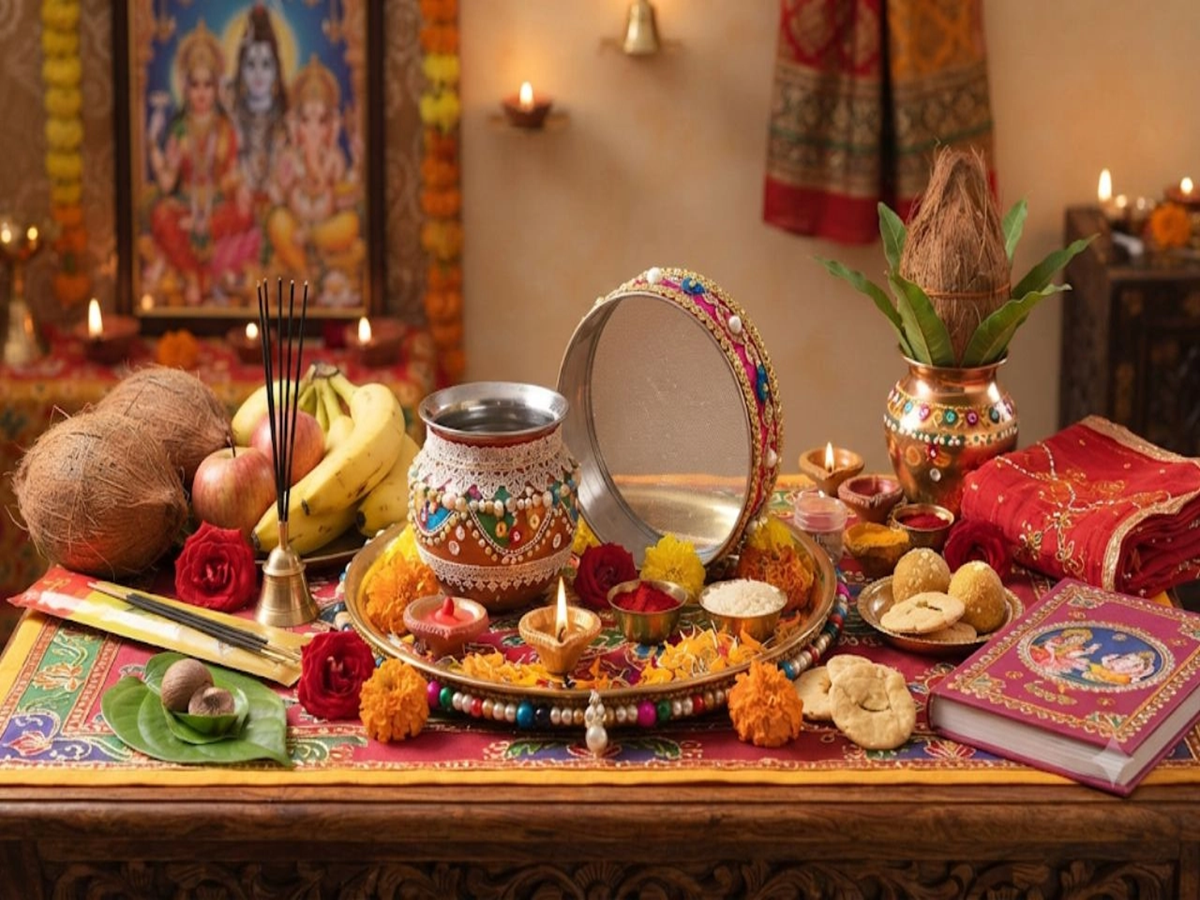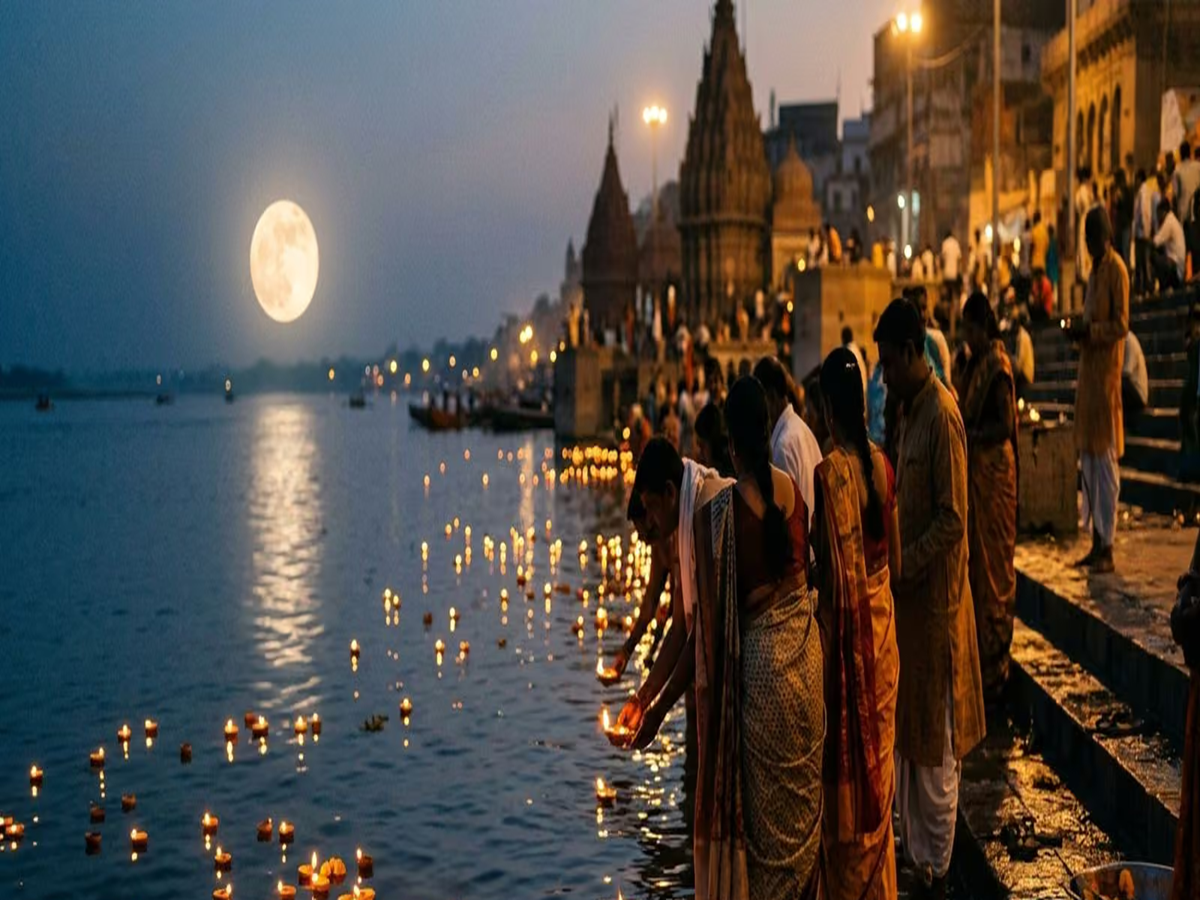
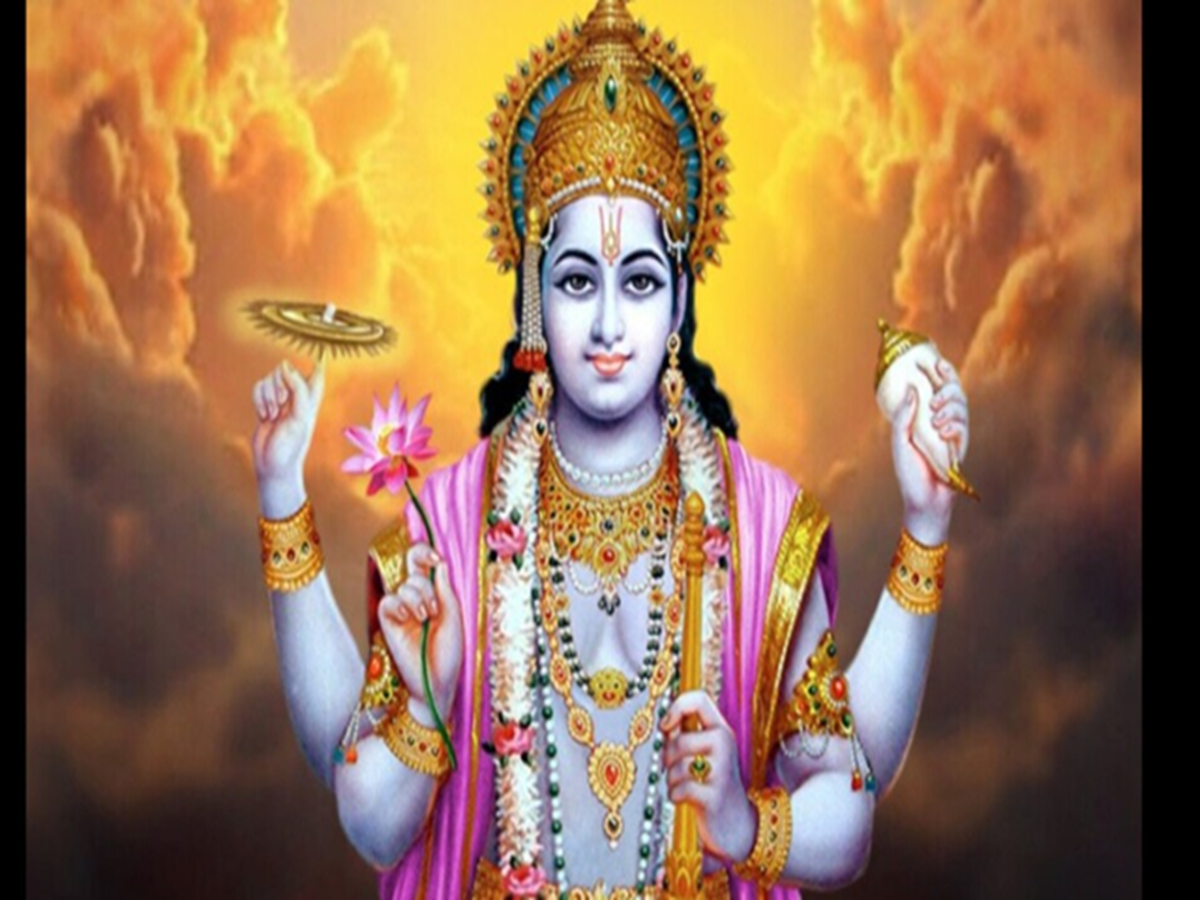
In Hinduism, the month of *Jyeshtha* is regarded not merely as a calendar month, but as a symbol of penance, renunciation, charity, and faith. It is that time of the year when the sun's intensity reaches its zenith, and the earth swelters under scorching heat. However, from a religious perspective, this very period of intense heat conveys a profound message of self-restraint, selfless service, and endurance to humanity. It is widely believed that good deeds performed during the month of *Jyeshtha* yield manifold rewards. For this very reason, this month is considered exceptionally meritorious and spiritually significant.
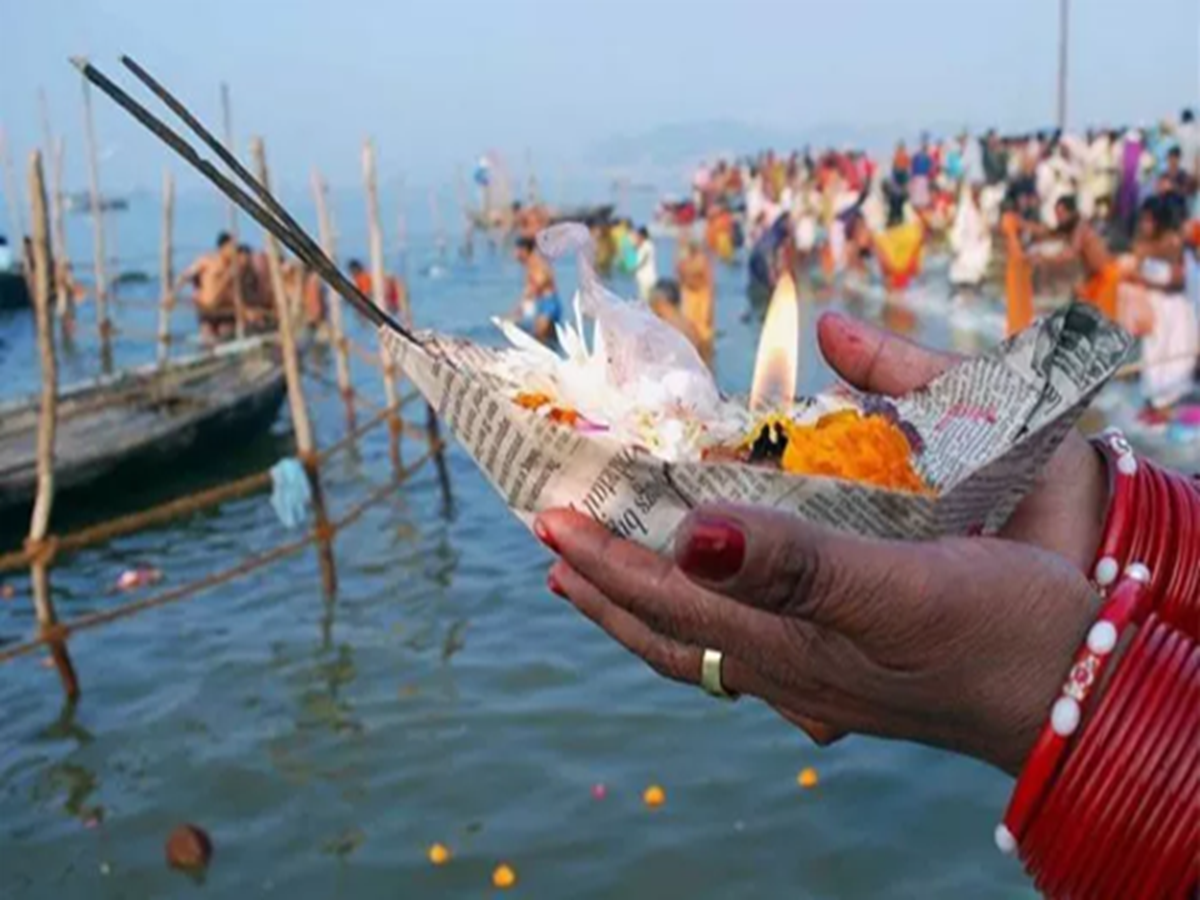
Astrologer Akhilesh Pandey explains that, according to religious scriptures, the month of *Jyeshtha* is intrinsically linked to Lord Vishnu, the Sun God (*Surya Dev*), and the element of water. The significance of water is emphasized most during this month, as providing water to thirsty people and animals amidst the scorching heat is considered the highest act of merit. Setting up public water kiosks (*Pyaus*) in various locations across villages and cities, offering cold water to travelers, and donating water-filled earthen pots are all integral parts of this tradition. It is said that the act of donating water during *Jyeshtha* brings happiness, peace, and prosperity into an individual's life.
**The Significance of Ganga Dussehra and Nirjala Ekadashi**
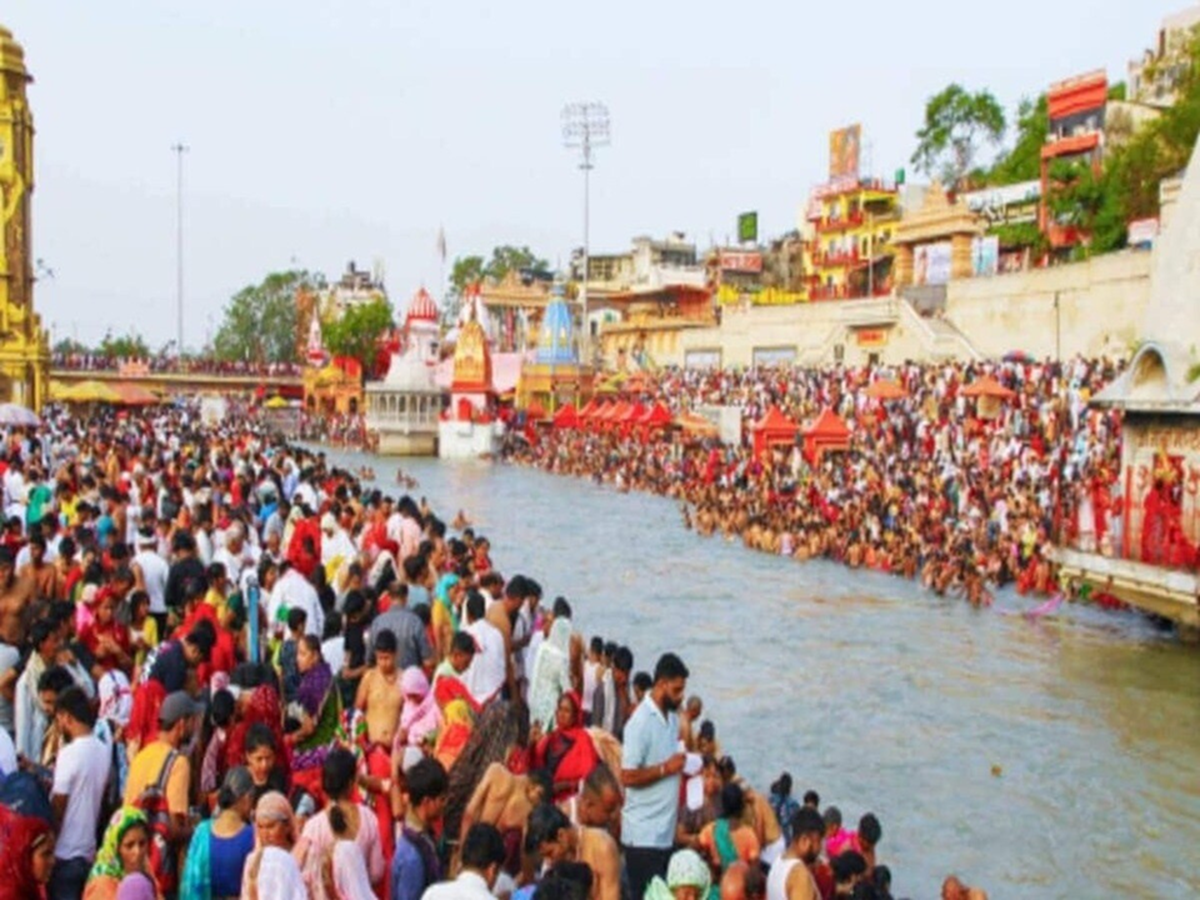
This month also witnesses the observance of several major and significant fasts and festivals, each holding immense religious and spiritual importance. The festival of *Ganga Dussehra* is celebrated as a commemoration of the descent of Mother Ganga (*Goddess Ganga*) onto the Earth. It is believed that taking a holy dip in the Ganges and engaging in acts of charity and merit on this day leads to the absolution of sins. Conversely, *Nirjala Ekadashi* is regarded as the most rigorous yet spiritually rewarding of all *Ekadashis*. On this day, devotees observe a strict fast without consuming even a drop of water while offering prayers to Lord Vishnu. Additionally, the *Vat Savitri Vrat* falls within this same month, during which married women observe a fast to pray for the longevity of their husbands and for a harmonious marital life.
**Jyeshtha: A Month of Service to Nature and Humanity**
The month of *Jyeshtha* is not confined solely to religious rituals; rather, it also serves to bring human beings closer to nature. This month carries with it a powerful message—one that encourages the care and service of trees, plants, and animals during the intense heat of the summer season. People set out water for birds and donate umbrellas, *sattu*, fruits, and cooling refreshments to those in need. These traditions are not merely expressions of faith, but also symbols of humanity and compassion.
It is also believed that living a life of discipline and self-restraint during the month of *Jyeshtha* brings about mental peace and positive energy. Engaging in a *sattvic* diet, worship, meditation, and acts of service during this period enhances one's inner spiritual strength.
PC Social Media