LIFESTYLE
These 3 historical buildings of Delhi are very beautiful, their names are included in the UNESCO World Heritage Site...
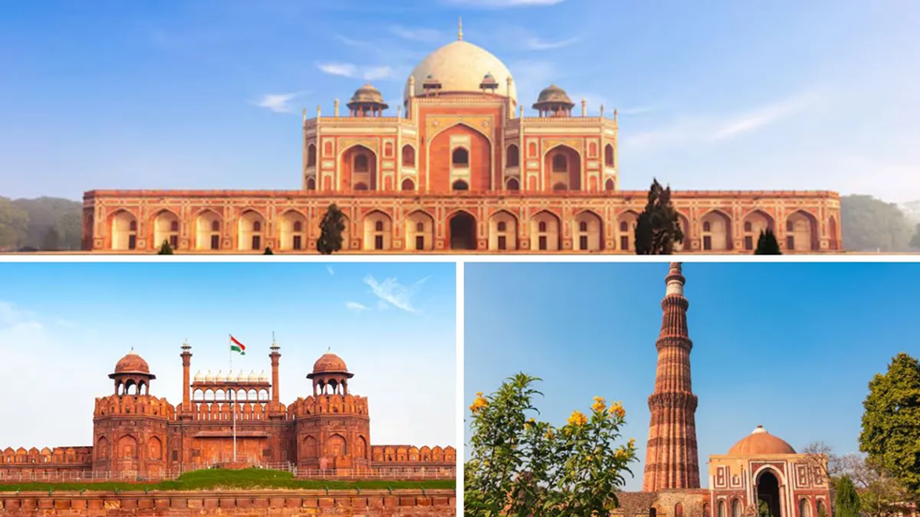
As winter approaches, Delhi's beauty only increases. It holds within itself priceless treasures of history. History resides in every corner, and every stone here tells a story. That's why Delhi is a wonderful place to visit.
If you're looking for places to visit in Delhi, we'll tell you about some historical sites that not only offer unique examples of architecture but also bear witness to India's glorious history. They have also been included in UNESCO World Heritage Sites. Let's learn about these buildings.
Red Fort
This massive fort, built of red sandstone, is not just a building but a symbol of Indian power. Mughal Emperor Shah Jahan commissioned it in 1639 and made it the new capital of the Mughal Empire. The Red Fort is a magnificent example of Mughal architecture, showcasing a wonderful blend of Persian, European, and Indian styles. Buildings like the Diwan-i-Aam, Diwan-i-Khas, Moti Masjid, and Rang Mahal enhance its beauty. This fort also symbolizes India's independence; every year on Independence Day, the Prime Minister addresses the nation from here.
Qutub Minar
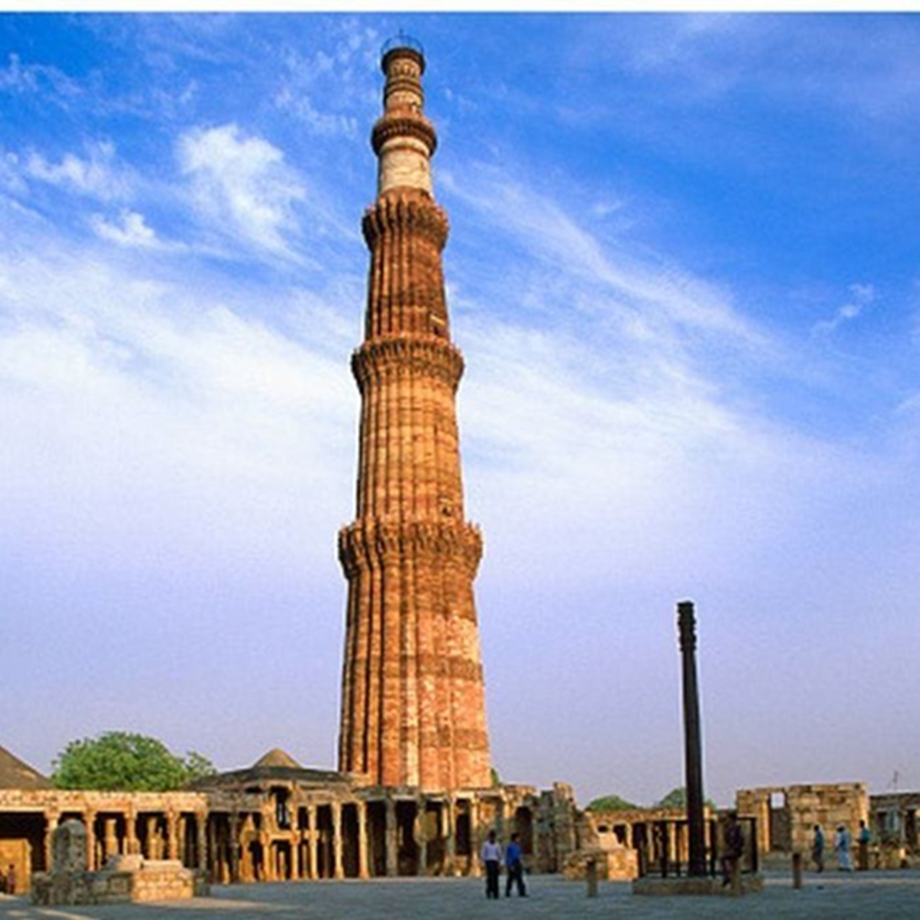
Located in South Delhi, the Qutub Minar complex is a fine example of the early phase of Islamic architecture in India. Standing 73 meters high, it is the tallest brick minaret in the world. Construction was begun in 1193 by Qutub-ud-din Aibak, the first Muslim ruler of Delhi. The complex's most remarkable feature is the Iron Pillar, which has stood uncorroded for over 1,600 years, a marvel of ancient Indian metallurgy. The Qutub complex also includes monuments such as the Quwwat-ul-Islam Mosque and the Alai Darwaza.
Humayun's Tomb
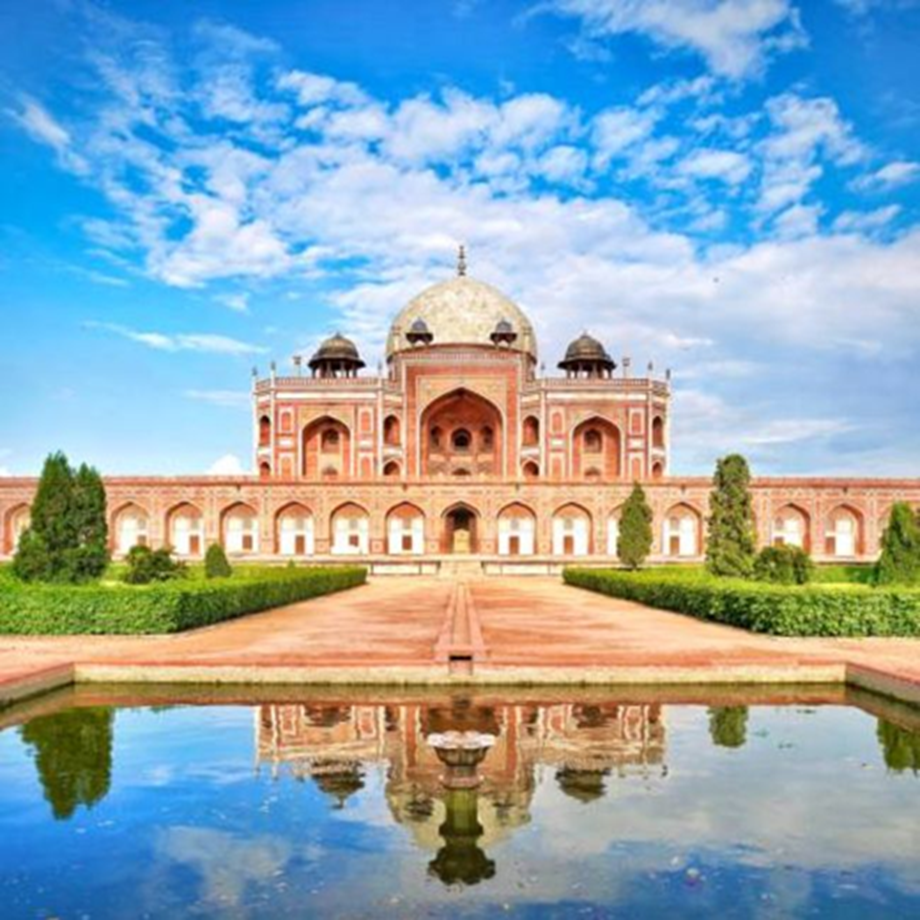
Humayun's Tomb is considered a unique example of Mughal architecture. It was built in 1565 by Hamida Banu Begum, the wife of Mughal Emperor Humayun. It was India's first garden-tomb, pioneering a new architectural style. Its design uses the Persian Charbagh style, where the garden is divided into four sections and the tomb is located in the center. Constructed of white marble and red sandstone, this building later became the inspiration for the Taj Mahal. The complex contains the tomb of Humayun, along with the tomb of several other Mughal families, leading to it being known as the "Dormitory of the Mughal Dynasty."
PC Social Media