LIFESTYLE
These 6 fasts are the true hallmarks of Hindu households! Learn about their religious significance..
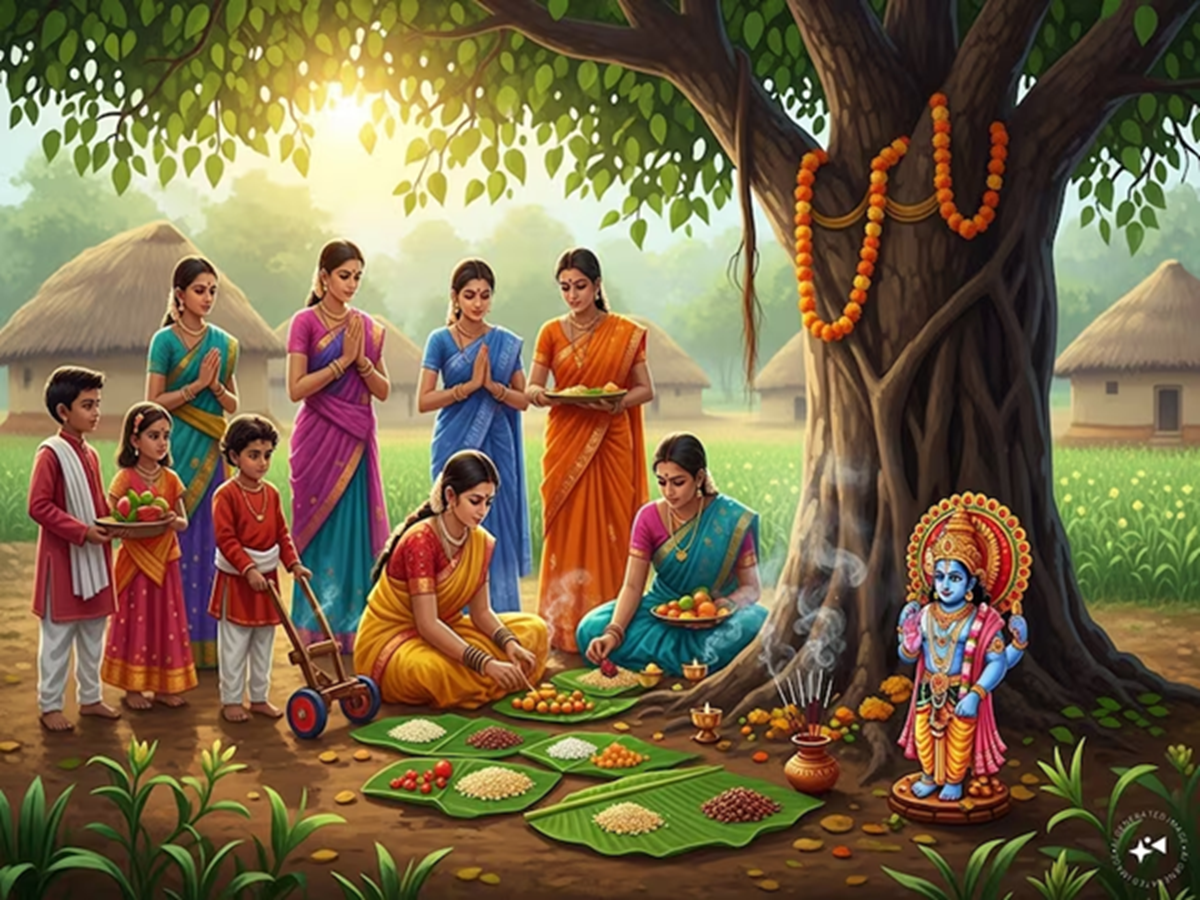
In Hinduism, fasting is observed on many occasions. Some people fast on specific days of the week, while others fast on particular dates. For example, those who fast on Tuesdays and Fridays dedicate these days to Lord Hanuman and Goddess Lakshmi, respectively. Those who fast on Mondays and Thursdays do so to seek the blessings of Lord Shiva and Lord Vishnu. Besides these specific days, people also fast on auspicious dates like Ekadashi, Karva Chauth, and Maha Shivaratri to please the respective deities. Here, we are discussing six such fasts that are very important and commonly observed in most Hindu households.

Nirjala Ekadashi Vrat - Nirjala Ekadashi is observed in the Hindu month of Jyeshtha. In this fast, the devotee abstains from both food and water. Unlike other Ekadashi fasts, no food or drink of any kind is consumed day or night during Nirjala Ekadashi. It is believed that this fast purifies the soul, removes unintentional sins, and brings prosperity. Observing Nirjala Ekadashi is said to yield the benefits of all Ekadashi fasts combined, making it one of the most difficult fasts.
Krishna Janmashtami Vrat - Krishna Janmashtami is one of the major festivals celebrated in Hinduism. It marks the birth of Lord Krishna and is celebrated with great fervor. Fasting on this day holds special significance as it purifies a person physically and spiritually. Those who observe the Krishna Janmashtami fast remain engrossed in devotion throughout the day. They study the stories of Lord Krishna and resolve to follow his teachings. Thus, the Krishna Janmashtami fast is not merely a religious ritual, but a significant means of improving one's life and giving it a new direction.
Purnima Vrat - Purnima, or the full moon day, is the day of the full moon according to the Hindu calendar. A fast is observed on this day to please Lord Chandra (the Moon God). When the moon completes one revolution around the Earth, it is considered the beginning of a new chapter in life. Fasting on this day is considered sacred and significant. Devotees observe this fast to attain purification of the soul, blessings, and forgiveness. The Satyanarayan fast is also observed on Kartik Purnima, and devotees recite or listen to the story of Lord Satyanarayan. The Purnima fast is believed to bring peace, prosperity, and divine grace.
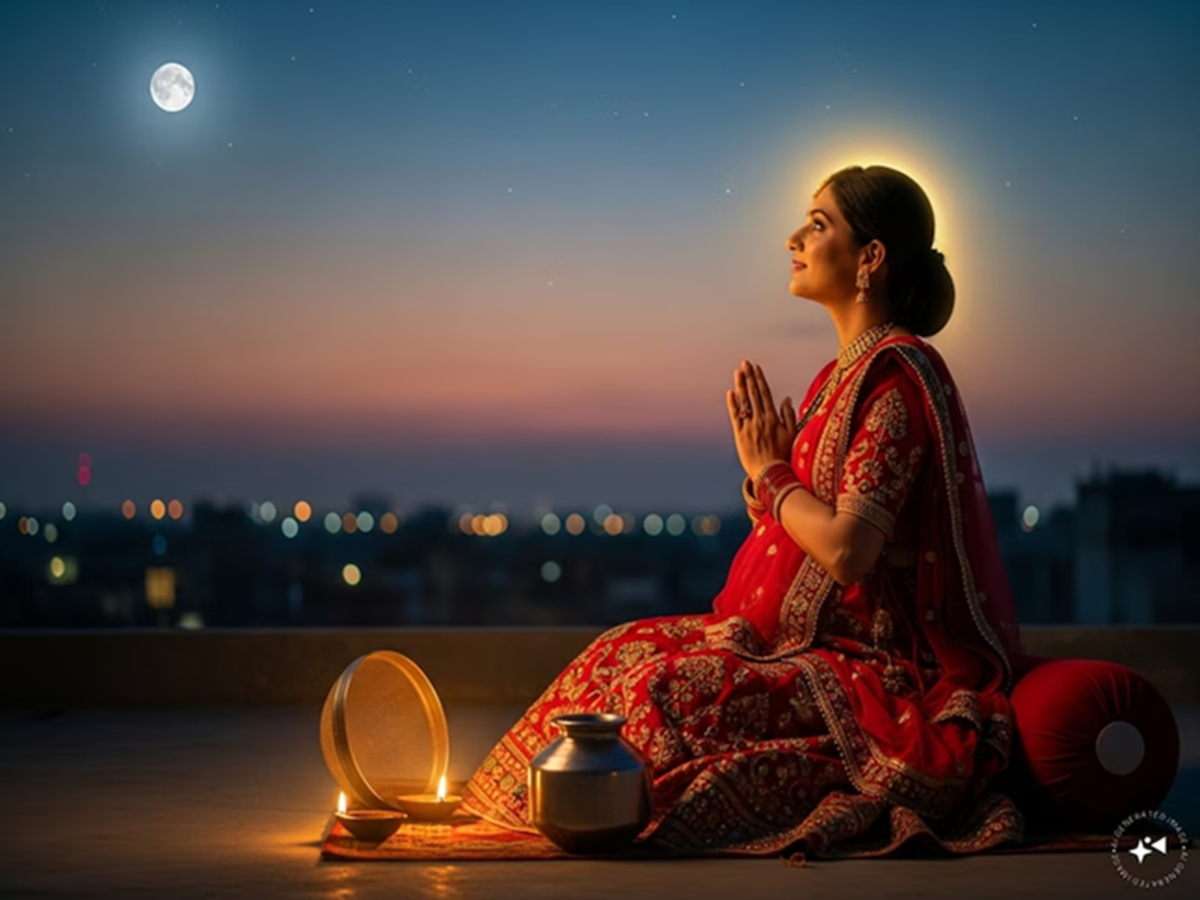
Karva Chauth Fast - The Karva Chauth fast is primarily observed by married Hindu women for the long life and well-being of their husbands. On this day, women fast without food and water from sunrise until the moon is sighted. A special meal called Sargi, prepared by the mother-in-law, is consumed before sunrise, and the fast is broken after moonrise with water and fruits. The Karva Chauth fast symbolizes the love, devotion, and bond between husband and wife.
Navratri Fast - The Navratri fast, whether it is Sharad Navratri or Chaitra Navratri, involves worshipping and fasting for the nine divine forms of Goddess Durga over nine days. Throughout India, many people observe the fast, perform daily prayers, and participate in traditional dances like Garba and Dandiya. The nine days of Navratri are dedicated to the worship of the nine avatars of Goddess Durga, and devotees abstain from grains, meat, and alcohol.
Maha Shivaratri Fast - Maha Shivaratri, meaning the great night of Lord Shiva, is celebrated with great devotion by devotees. The Maha Shivaratri fast is observed from sunrise to the next sunrise, and people stay awake all night, engaging in meditation, prayers, chanting mantras, and visiting Shiva temples. This fast symbolizes self-purification and connecting with one's inner self. Observing the Maha Shivaratri fast is believed to bring spiritual progress, Lord Shiva's blessings, and liberation from the cycle of birth and death if performed with a pure heart.
PC Social Media