
Tickle Kids: The laughter and cute antics of young children win everyone's hearts. Sometimes, people tickle them to cheer them up or make them laugh. We assume the child is enjoying themselves and laughing, but the truth is quite different. Many health experts say that tickling can hurt a child's body and mind. Children may laugh outwardly, but they may also be uncomfortable or upset internally. This is why doctors nowadays advise parents to be vigilant. So, let's explore why tickling a young child is not right and what effects it has on their body and mind.

Why is tickling a child not right?
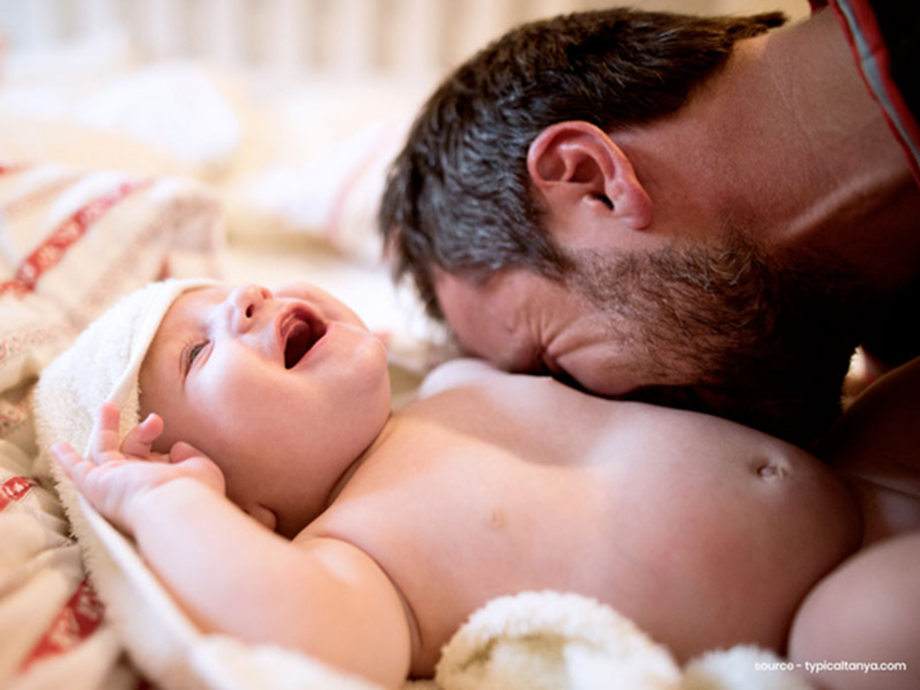
When a child is tickled, they laugh out loud, but this laughter isn't always a sign of happiness. It can also be a reflex action of the body. This means that the body responds to the touch that causes laughter. Children cannot verbally express whether they are feeling good or bad, so the outward appearance of laughter can sometimes be misleading.
What happens to a child's body when tickled?
1. Stopping breathing
Sometimes a child's breathing stops for a few seconds during tickling. This can prove dangerous for young children.
2. Muscle tension
Tickling tightens a child's muscles, causing them to feel tense instead of relaxed.
3. Increased heart rate
Tickling can increase the heart rate, which is risky for young children with delicate hearts.
4. Increased stress hormones
Even while laughing, stress hormones can increase in the body. This can make a child appear to be having fun on the outside, but they will feel uncomfortable on the inside.
5. Mental confusion
Tickling can make a child's brain unable to distinguish between enjoyment and nervousness. This can affect their self-confidence and sense of security.
Why can tickling be dangerous?
The biggest weakness of young children is their inability to express their true feelings. Tickling may evoke laughter on the outside, but it can also cause fear, anxiety, and restlessness within. If repeated, feelings of insecurity and fear can become permanently ingrained in the child's mind.
PC Social media