Food & recipe
Tips for Making Soft Rotis: Can't get your rotis round and soft? Try these 5 easy tricks for a perfect roti every time..
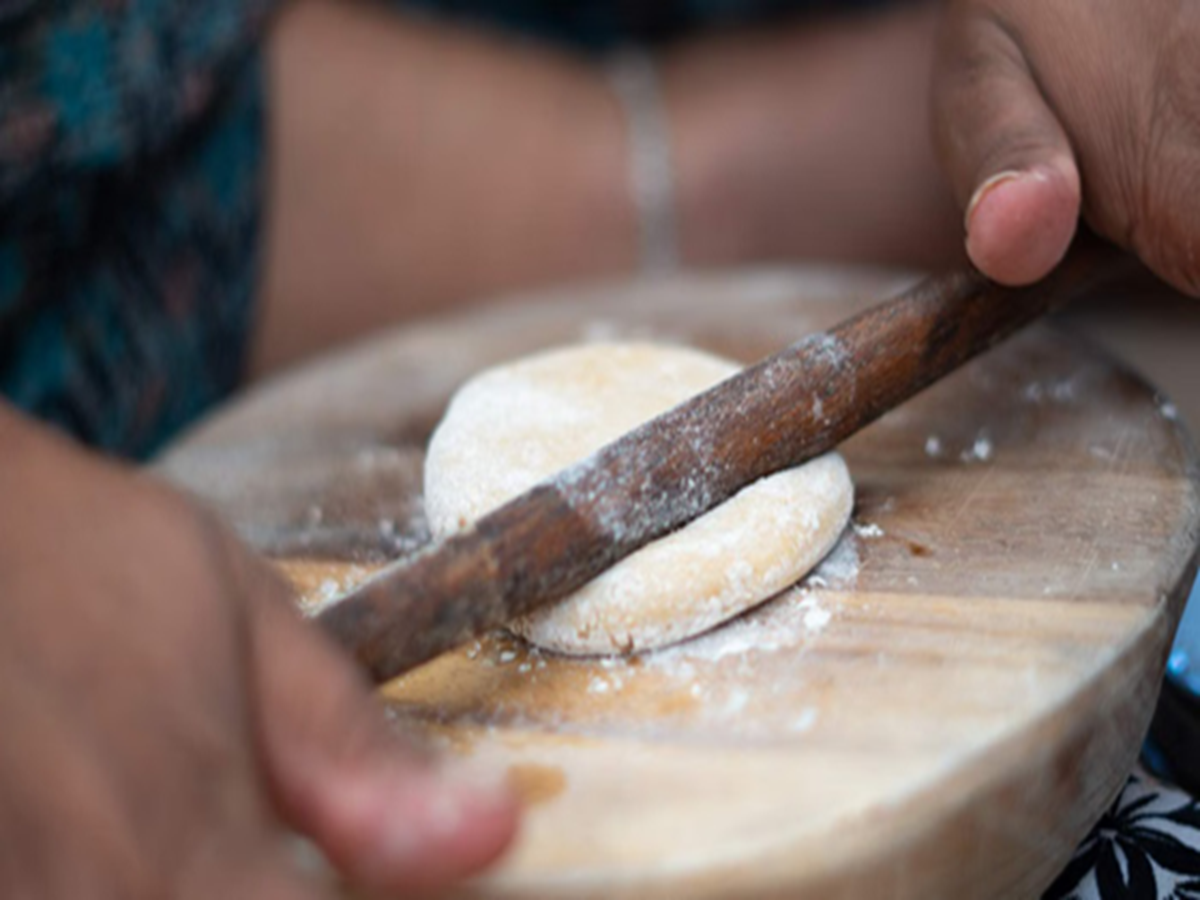
How to Make Soft Rotis: In Indian kitchens, roti is not just a meal but an everyday necessity in every household. However, a common challenge for many—especially novice cooks—is that the roti often turns out neither perfectly round nor soft. Sometimes the dough is kneaded too stiffly, or the shape gets distorted while rolling. Often, the roti hardens or fails to puff up when placed on the tawa (griddle). Consequently, despite all the effort, the rotis don't quite match the quality of those made by grandmothers or mothers.
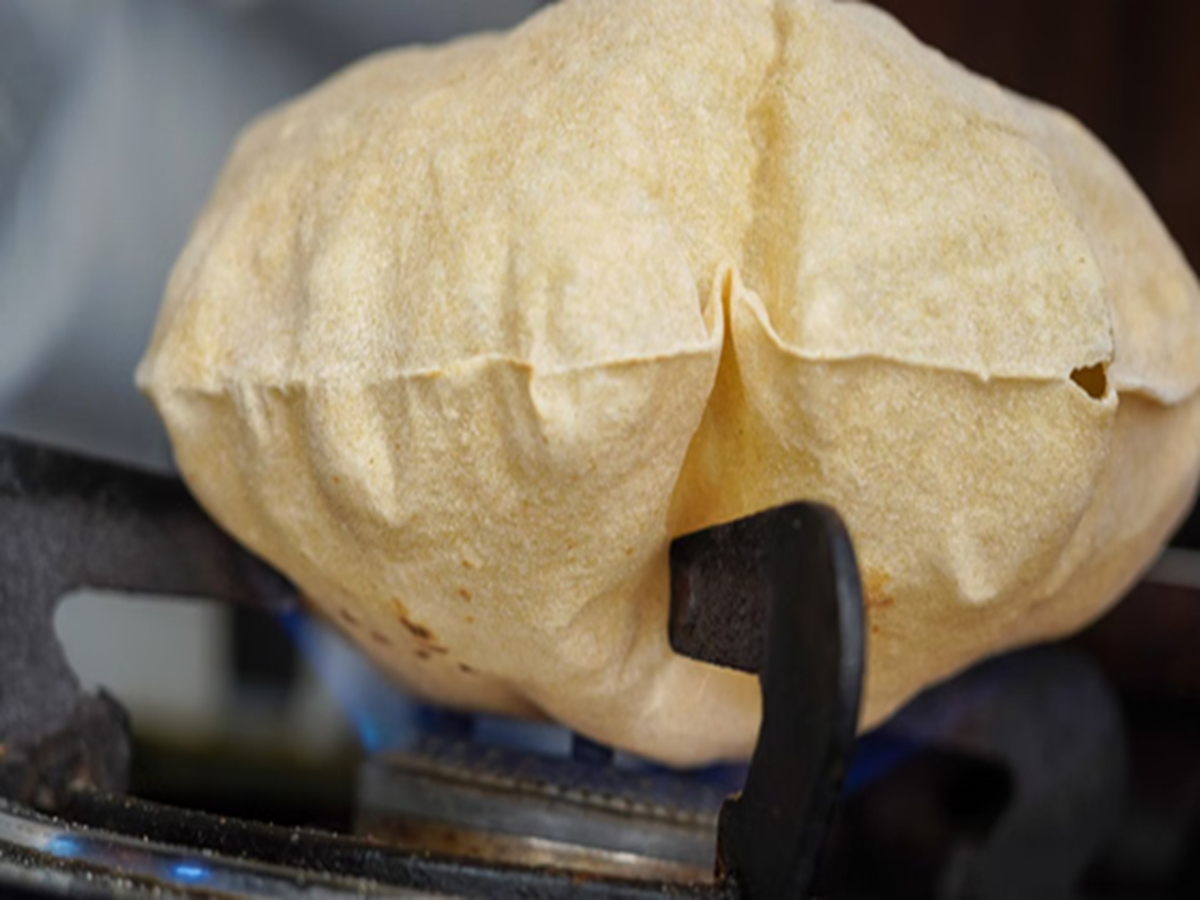
The good news is that you don't need special machines or expensive equipment to make soft, round rotis. All it takes is the right technique for kneading the dough, a little patience, and some simple kitchen tricks. Small details—such as using the right amount of water, letting the dough rest, and maintaining the correct tawa temperature—can make a huge difference in the quality of the roti.
If your rotis often turn out hard, misshapen, or fail to puff up, the tips shared here will help you. By following these tricks, you can make soft, round, and delicious rotis every time.
Knead the dough correctly.
A good roti starts with well-kneaded dough.
Add water gradually while kneading so that the texture is neither too stiff nor too loose.
The dough should be soft and smooth.
Tip: You can add 1–2 teaspoons of milk or a little oil while kneading to make the rotis even softer.
Don't forget to let the dough rest.
Do not roll out the rotis immediately after kneading the dough.
Cover and let it rest for 15–20 minutes.
This allows the moisture to distribute evenly throughout the dough.
It also helps the gluten develop properly, making the rolling process easier.
Avoid using too much dry flour while rolling.
Using excessive dry flour can make the roti dry and hard.
Use only a light dusting of dry flour.
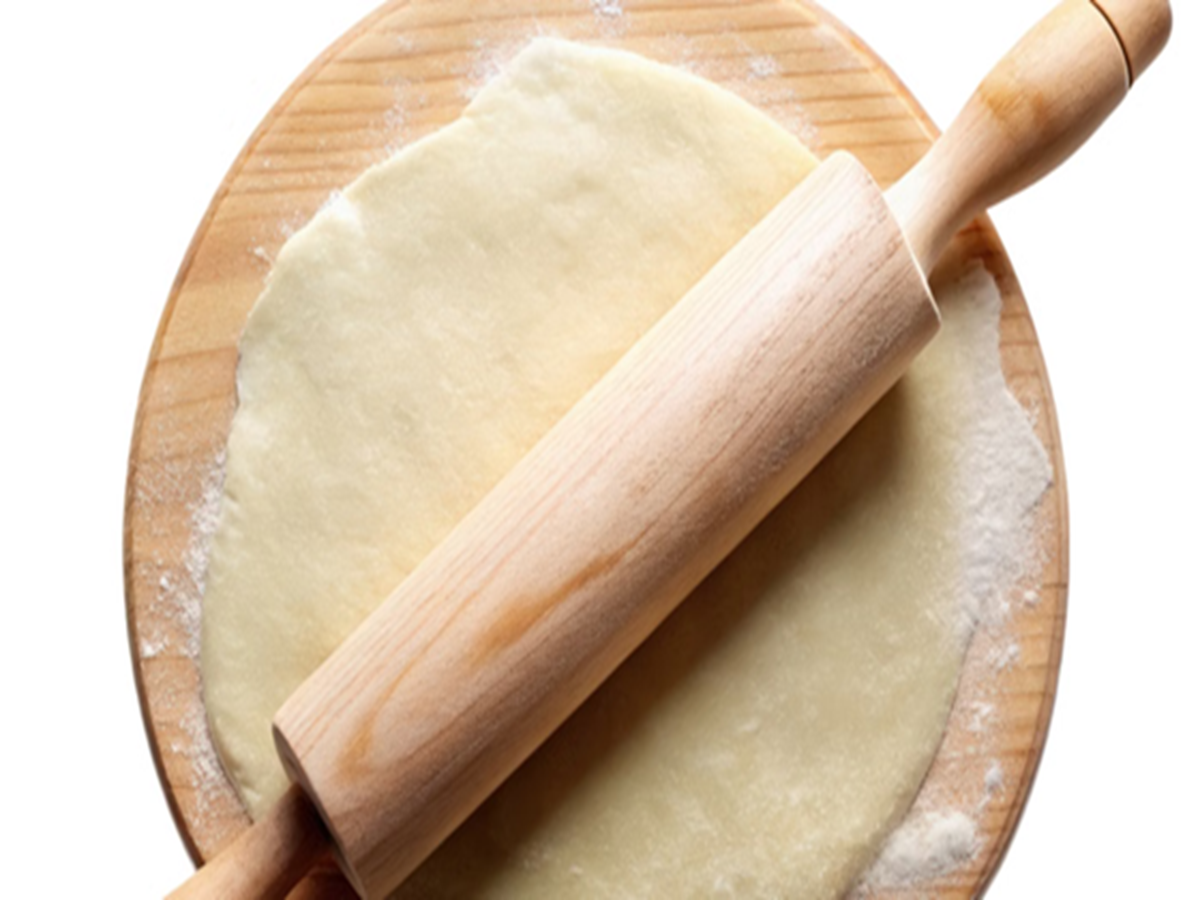
Apply even pressure with the rolling pin so the roti takes on a round shape.
Maintain the right temperature for the griddle (tawa)
If the griddle is too cool, the roti will dry out.
If it is too hot, the roti might burn.
Heat the griddle well over medium-to-high heat before cooking the roti.
Cooking at the right temperature increases the chances of the roti puffing up properly.
Store correctly after cooking.
Once cooked, immediately place the roti in a covered insulated container (hotcase) or wrap it in a clean cotton cloth.
This helps retain moisture and keeps the roti soft for a longer time.
Avoid these mistakes
Kneading the dough until it is too stiff or too loose.
Making rotis without letting the dough rest.
Using excessively dry flour while rolling.
Cooking the roti on a cold or excessively hot griddle.
Leaving cooked rotis uncovered.
Tips
Always use fresh dough.
Sift the wheat flour if possible.
Avoid flipping the roti repeatedly while rolling it out.
Lightly apply ghee to the roti after co
PC Social Media