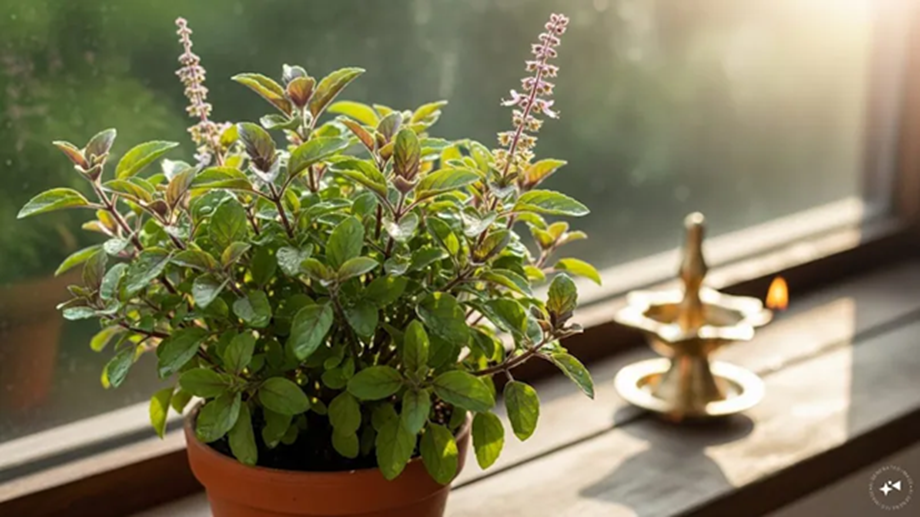
In Hinduism, the Tulsi plant is considered akin to God. Therefore, it is considered very sacred in every home. However, many people unknowingly make mistakes while watering it with devotion. Especially during the harsh winter months of November and December, it is common for Tulsi leaves to turn black and the plant to dry up completely.

The cold isn't the main reason for this. Gardening experts say that some of our mistakes in caring for Tulsi plants are due to this. They offer simple tips to protect Tulsi plants from the cold and keep them green and healthy.
Don't overwater. Overwatering is the most dangerous thing for Tulsi plants. Many people water it from large containers. If four people in the same household water it daily, the plant will receive more water than it needs. This can cause fungus to grow in the roots and cause the plant to rot. Excessive watering is not good for Tulsi.
So, if you want to water the plant out of gratitude, use a very small container. This will ensure the plant receives the proper amount of water. If the soil is overly moist, gently shake the soil and immediately place the pot in a sunny spot. This will allow the excess moisture to dry out quickly.
Tea Leaf Tip: During winter, the plant enters a dormant state. During this time, it requires more nutrients. Fresh tea leaves are an excellent source of nitrogen. Lightly dig the soil and then add one or two teaspoons of fresh tea leaves and mix them into the soil.
Also, mustard seeds can be used as a liquid fertilizer. Mix 50 ml of liquid in one liter of water and apply only 100 ml per plant. This fertilizer can be applied once every 15 days.
Remove Dry Leaves from Tulsi Plants (Tulsi Plant Care). Another important reason for leaves turning yellow and dry is that the plant spends all its energy on producing seeds. This energy is reduced for leaf growth. Therefore, it is very important to remove the seeds, called buds.
Experts advise against using nails when plucking buds, as this is associated with religious beliefs. Plucking should be done gently and with care. Remove any dry, unusable branches. This will ensure dense and healthy plant growth.
Protecting Tulsi plants from fungus (Tulsi Plant Care) is crucial. It cannot tolerate cold. From November to February, the plant should be placed in a location with plenty of sunlight. Keeping the plant warm reduces the risk of fungus. Cold winds can harm the plant.
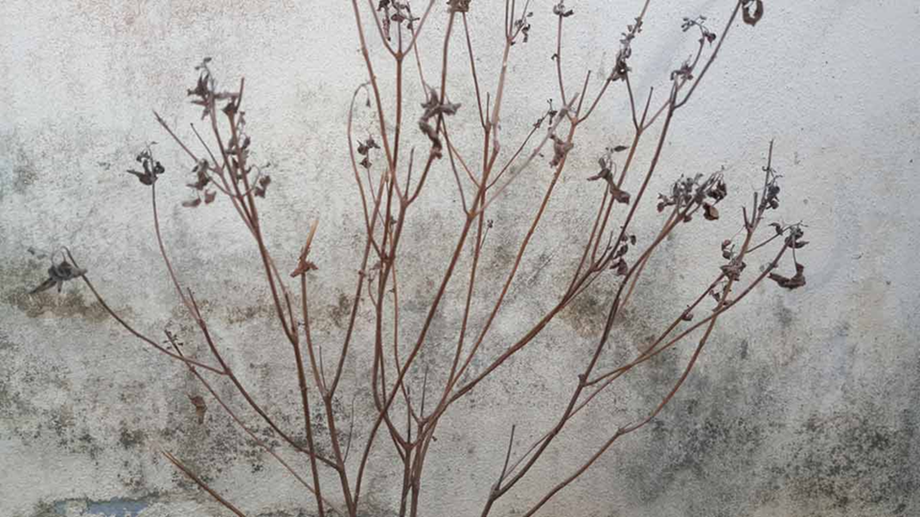
Therefore, place the plant against a wall or in a shady area, away from cold winds. When temperatures drop at night and frost sets in, provide a temporary cover to protect the plant from dying. Use sacks, plastic, or cardboard boxes for this purpose.
Turmeric can be used to protect against fungus and ants. Dig the soil lightly and add a little turmeric powder. Turmeric is a natural antifungal and antiseptic agent. It is very effective in controlling fungus and ants.
PC Social Media