ENTERTAINMENT
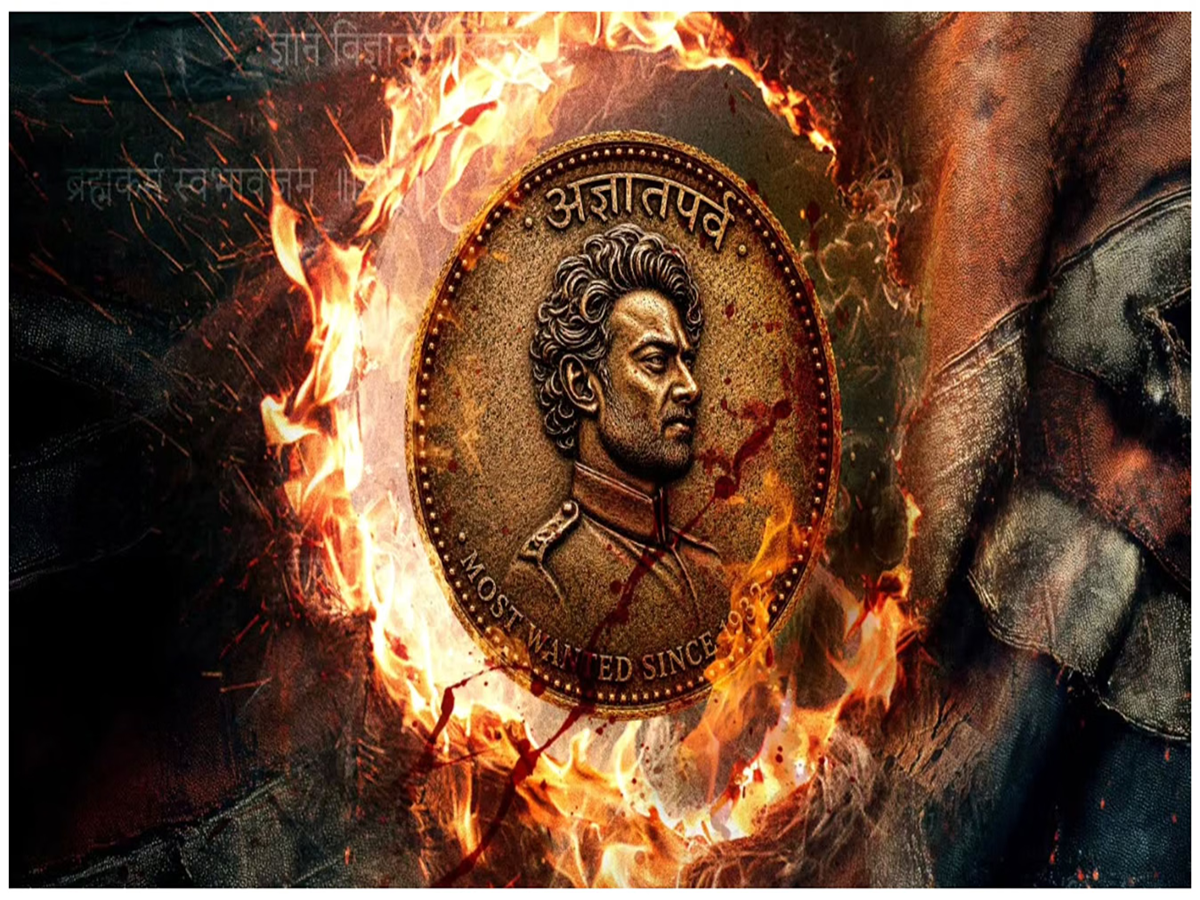
Udta Teer Review: Will Ayushmann’s arrow hit the mark in this blend of espionage and comedy—or will it go astray?

"Patriotism remains, but the country is forgotten." This line from Ayushmann Khurrana’s film *Udta Teer* is both amusing and thought-provoking. How, after all, could a Pakistani spy lose his memory and suddenly become a staunch Indian?
Director Aakash Kaushik attempts to blend espionage, comedy, and patriotism around this intriguing premise. Let’s see how well the film translates to the screen...
The Story
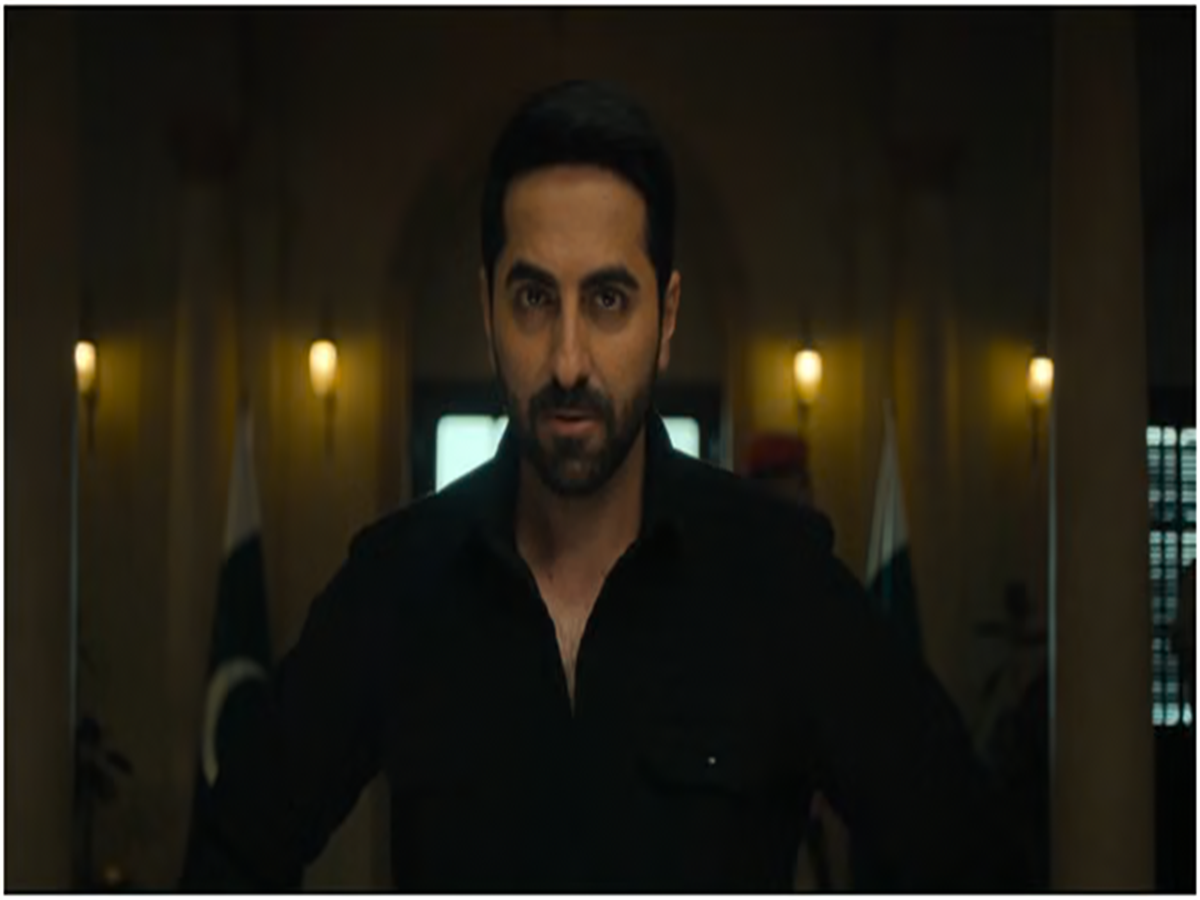
Bilal Ahmed (Ayushmann Khurrana) is a Pakistani agent who arrives in India with a subversive agenda. However, an accident causes him to lose his memory, leading him to believe he is Vikrant—a loyal Indian officer. His wife, Yamini (Sara Ali Khan), tells him that his parents were killed by Pakistani terrorists. Upon hearing this, a sense of patriotism awakens within Bilal, and he turns against his own people.
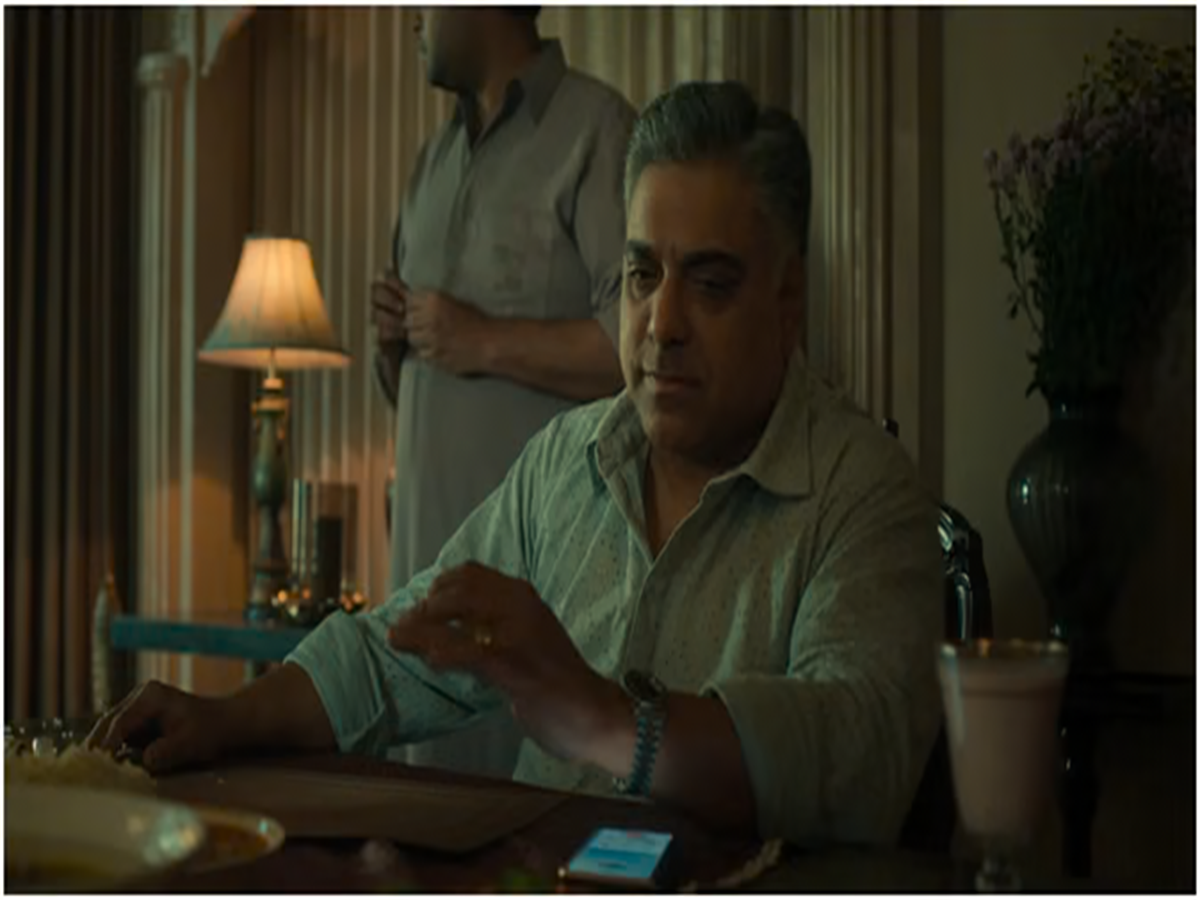
Meanwhile, back in Pakistan, his handlers—Niazi (Ram Kapoor) and Azhar Maqsood (Mukul Dev)—are left in despair, realizing that their most skilled operative has now become a major threat to them. Tareekh (Sandeep Anand) and Ashfaq (Suhail Nayyar) are also part of this espionage game.
Elsewhere, Indian officer Burman (Rahul Bose) is highly impressed with Bilal’s work, unaware of his true identity. The entire narrative revolves around this confusion and the ensuing chaos.
An Intriguing Premise, Some Humorous Moments
The concept behind *Udta Teer* is compelling. The idea of a Pakistani spy losing his memory, coming to believe he is Indian, and subsequently opposing his own mission provides a solid foundation for comedy. Certain dialogues, combined with Mukul Dev’s comic timing, elicit genuine laughter. The film also shows potential for satire and entertainment. However, due to a weak screenplay and a disjointed treatment, the idea fails to make its full impact.
Where did the film go wrong?
Confusion in genre and direction: Neither a proper thriller nor a successful comedy.
The film’s intended genre should have been a 'spy-comedy' or a satire, but the makers failed to do justice to it. The story incorporates significant and sensitive references—such as August 15th, the Ram Mandir, 'Operation Sindoor,' and cross-border firing—but rather than strengthening the narrative, these elements seem to have been used merely to evoke an emotional response or to manufacture forced tension.
When a film tries to straddle both 'serious thriller' and 'lighthearted comedy,' its tone suffers. The audience is left unable to decide whether to take the threat looming over the nation seriously or to laugh at the bizarre antics on screen.
At times, the film leans into espionage; at others, it adopts a patriotic tone, or shifts toward political satire. While these elements could coexist, they require a cohesive balance—a balance that is entirely missing here.
Screenplay and logic: Making a mockery of intelligence agencies and absurd plot twists.
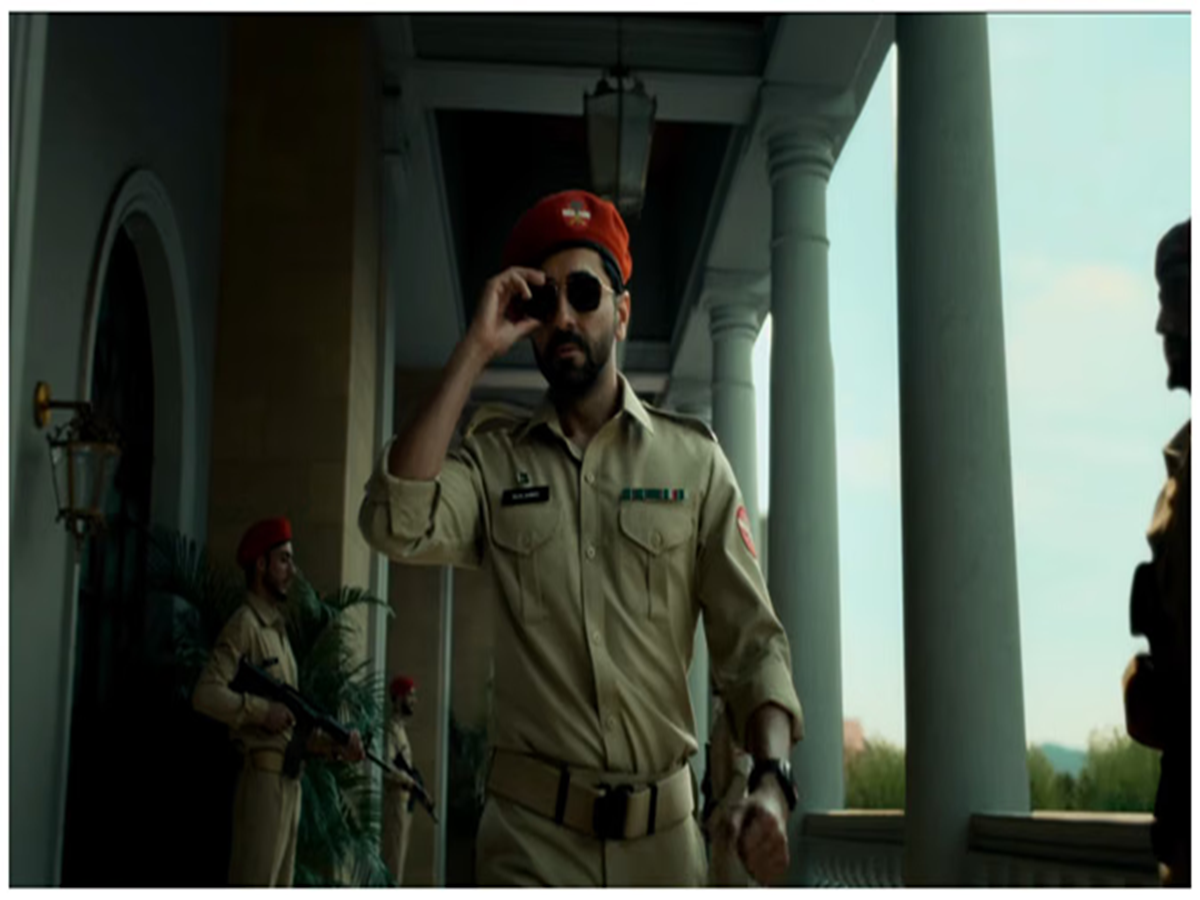
The operational procedures of serious organizations like the CTS and the ISI are depicted trivially and childishly. Villains moving in and out of high-security zones, an agent—posing as a *maulvi* for 30 years—keeping a list of all spies on his laptop, and the ease with which data is stolen via a pen drive—all of this defies any sense of logic.
A film cannot be dismissed solely for a lack of logic; in comedy, even the impossible can be amusing. The problem arises when such elements neither elicit laughter nor generate any excitement or thrill. Many scenes in this film suffer from precisely this issue. The premise that Pakistan trains its spies to pose as Hindus—complete with performing religious rituals and keeping idols—feels overly cinematic and implausible. The trope of a protagonist forgetting his own identity, only to have it all come rushing back following a sudden jolt, is a tired, clichéd formula often seen in Bollywood.
Writing and Dialogues: An Overdose of Melodrama and Sloganeering
The film’s plot contains several twists that might have seemed engaging on paper but fail to land effectively on screen. In the serious world of espionage, the ease with which agents’ identities and classified information are exposed weakens the narrative. Furthermore, the reliance on slogans like "nothing is greater than the nation" and the contrived, artificial dialogue given to the Pakistani characters blunt the film’s satirical edge. The writers had an opportunity to blend comedy and satire, but they fail to strike the right balance.
Acting
One expects more from Ayushmann Khurrana in a role like this. Given his history of portraying diverse characters, the audience naturally hopes for something fresh; however, the distinction between the characters of Bilal and Vikrant is not as compelling as it could have been. At times, his performance feels all too familiar. Similarly, Sara Ali Khan is not given anything substantial enough to make her character truly memorable.
Mukul Dev leaves a mark in the role of Azhar Maqsood. His performance strikes a fine balance between a menacing demeanor and comedy. His scenes alongside Ayushmann are entertaining, and his comic timing draws genuine laughs. He commands attention through his dialogue delivery and overall style. Given that Mukul Dev is no longer with us, seeing his performance on screen feels particularly poignant.
Established actors like Ram Kapoor and Gulshan Grover are relegated to the same tired, loud, stereotypical portrayals of Pakistani officers. The characters’ attempts to outmaneuver one another—coupled with their childish schemes—often make the thriller feel more like a parody. In many instances, the depiction of the Pakistani antagonists relies on worn-out, clichéd tropes. Supriya Pilgaonkar, Brijendra Kala, and Raghubir Yadav deliver decent performances. Suhail Nayyar also gets an opportunity to showcase his talent; both he and Sandeep Anand leave an impression in their respective roles.
Should you watch it?
The greatest strength of 'Udta Teer' lies in its core concept, while its primary weakness is the execution—the way that concept is translated into a narrative. While some scenes in the first half are amusing, the film eventually becomes tiresome. It lacks the thrill one expects from a spy story, and the comedy doesn't always land. If you are in the mood for something lighthearted, it might be worth a watch; however, if you go in expecting a compelling spy thriller or a sharp political satire, you will likely come away disappointed.
PC Social Media