LIFESTYLE
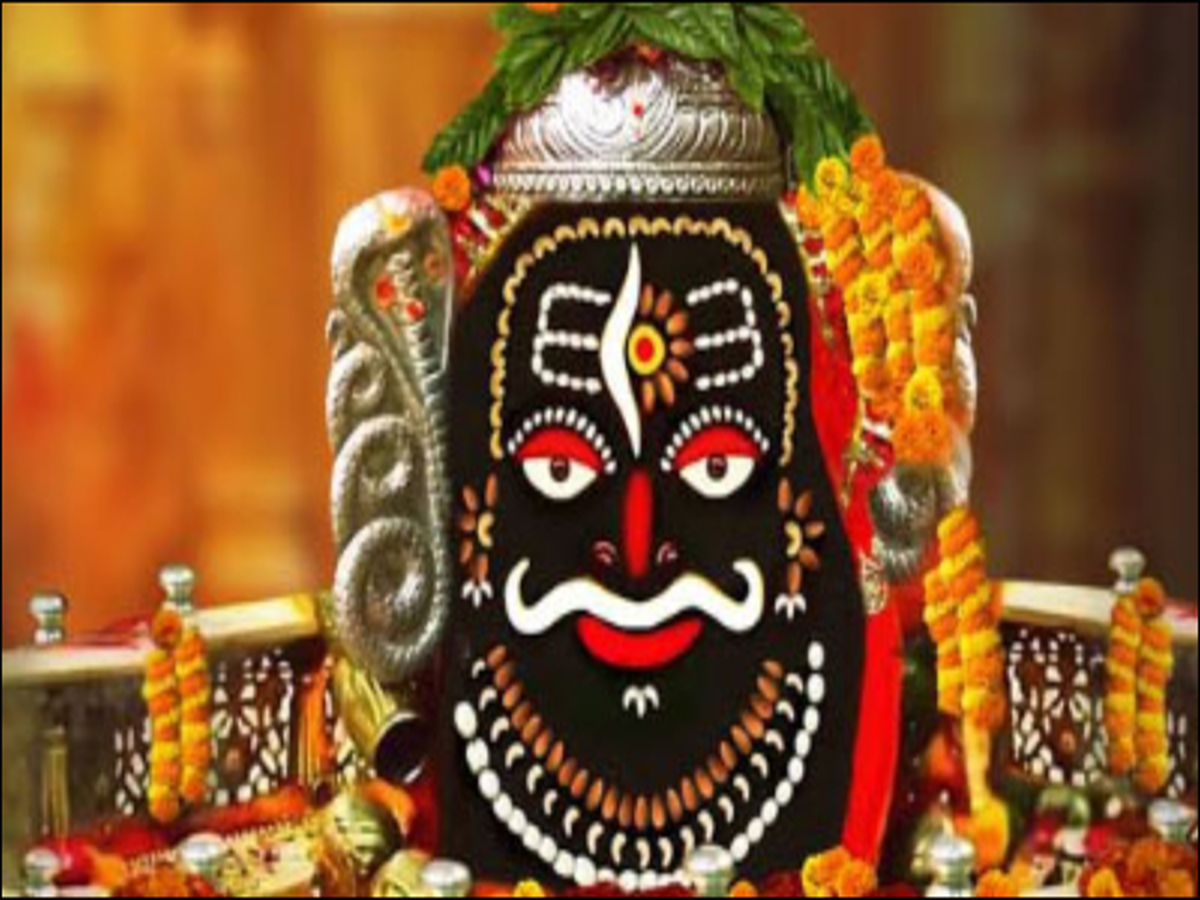
Ujjain Mahakal Darshan: A Visit to Mahakal Is Incomplete Without Visiting These 4 Temples in Ujjain..
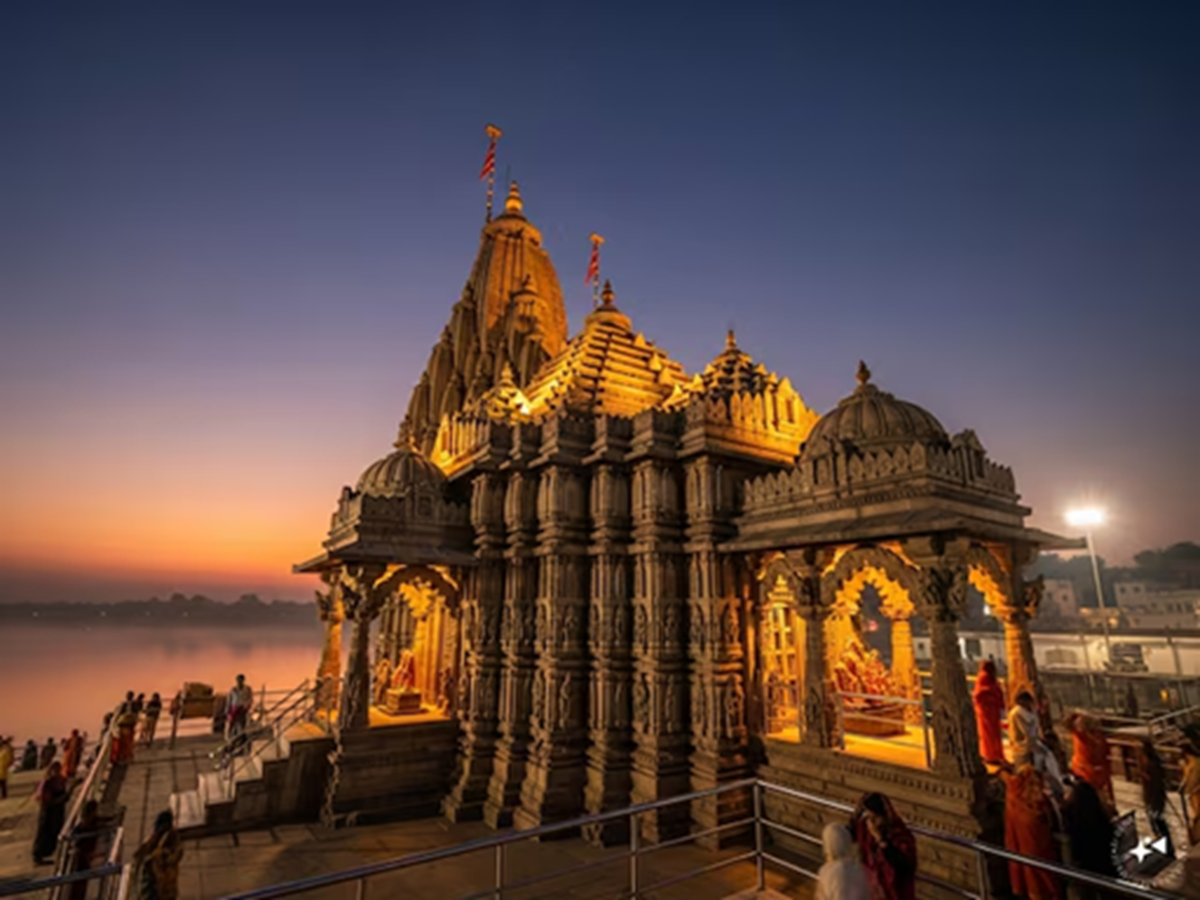
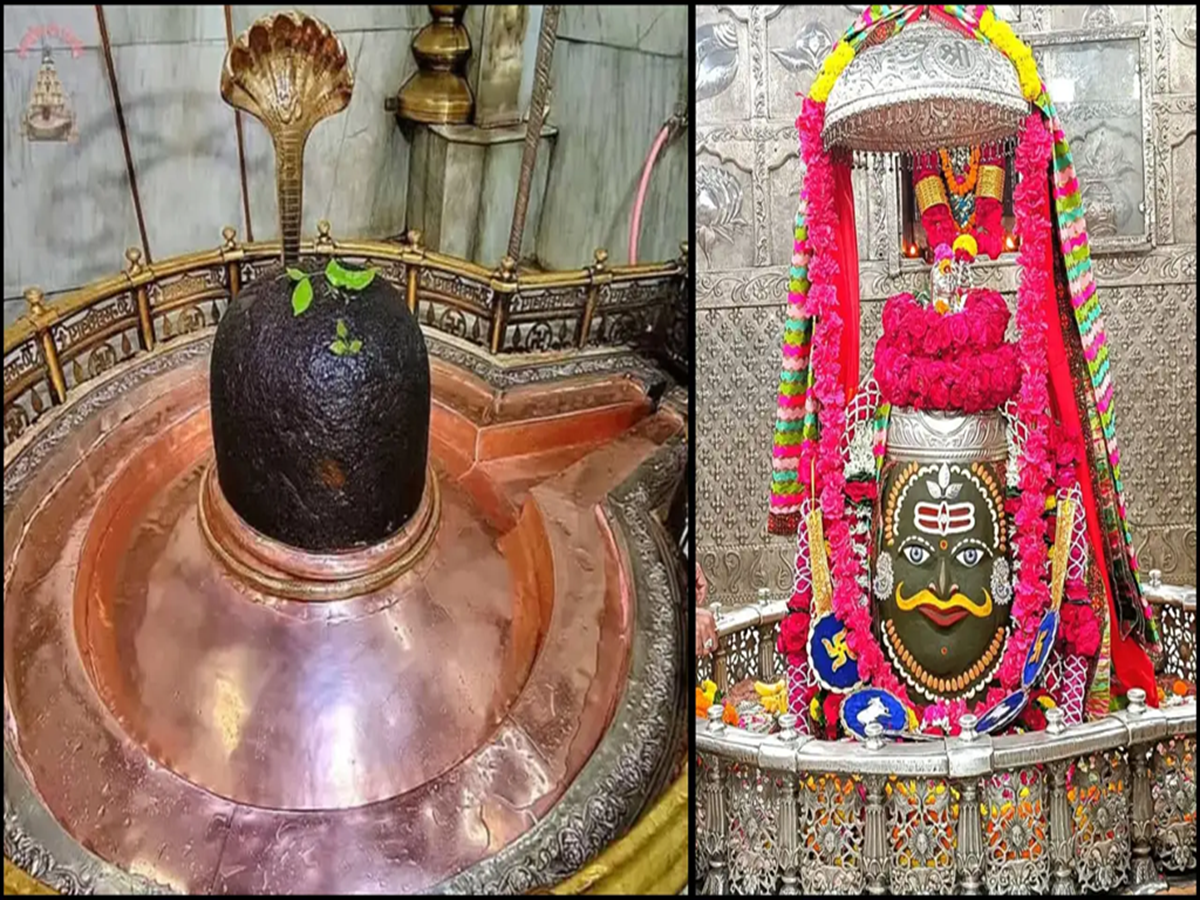
Ujjain Mahakal Darshan: The mornings in Ujjain possess a unique quality. As the sunlight spreads across the banks of the Shipra River, the city's spiritual pulse begins to resonate, accompanied by the chiming of temple bells. However, if you were to return home after merely having *Darshan* (sacred viewing) of Baba Mahakal, the locals would often tell you just one thing: "Your pilgrimage is not yet complete." This is not merely a matter of faith, but an integral part of centuries-old traditions and beliefs that transform Ujjain from a mere pilgrimage site into a vibrant, living spiritual experience.
1. Why is Visiting Kal Bhairav Essential Alongside Mahakal?
In Ujjain, there is a deeply held belief that Kal Bhairav serves as the *Kotwal* (guardian or police chief) of this city. In other words, the responsibility for the entire city's security rests solely in his hands. It is said that he protects Ujjain only with the express permission of Baba Mahakal. Therefore, visiting the Kal Bhairav Temple—either before or after one's *Darshan* of Mahakal—is considered an obligatory tradition.
The Offering of Liquor: Tradition or Faith?
The most unique feature of the Kal Bhairav Temple is the offering of liquor (*Madira*) presented here. Devotees visiting for the first time are often astonished by this sight; however, for the locals, it is a perfectly normal occurrence. Inside the temple, priests offer liquor to Baba Bhairav, which is subsequently distributed to devotees as *Prasad* (sacred offering). This tradition stands as a symbol of faith and belief, commanding deep reverence among the people.
2. Vriddhakaleshwar: Where the Pilgrimage Finds Completion
Situated within the very complex of the Mahakal Temple, the shrine of Vriddhakaleshwar Mahadev is relatively quiet and less crowded. Yet, its religious significance is by no means lesser. It is believed that until one has paid their respects here, the pilgrimage to Mahakal remains incomplete.
Many devotees attest that the atmosphere here exudes a unique sense of tranquility—as if one has found a moment of stillness amidst the hustle and bustle of life. Perhaps this is precisely why seasoned pilgrims invariably include this temple in their itinerary.
3. Harsiddhi Mata: The Center of *Shakti* (Divine Power)
Located just a short distance from the Mahakal Temple, the Harsiddhi Mata Temple stands as one of the prominent *Shakti Peeths* (centers of divine feminine energy) in Ujjain. The sight of the rows of lamps and the evening *Aarti* (ritual worship) here is truly captivating.
**Why is this temple special?**
It is believed that a part of Goddess Sati's body fell here, thereby establishing this site as a *Shakti Peeth*. Devotees hold the belief that offering prayers here leads to the fulfillment of one's wishes. The vibrant atmosphere here is particularly a sight to behold during the festival of *Navratri*.
**4. Garhkalika Mata: A Glimpse of Ancient Faith**
The Garhkalika Mata Temple is counted among the oldest temples in Ujjain. According to legend, this is the very spot where the renowned poet Kalidasa received the blessings of the Goddess.
The atmosphere here differs slightly from that of the other temples—it is less crowded, yet imbued with a profound sense of peace. Locals often remark that simply sitting here and meditating for a while brings an automatic stillness to the mind.
**Ramghat: Where One Finds a Breath of Serenity**
If you head straight back to your hotel after your *Darshan* (sacred viewing) of Lord Mahakal, you risk missing out on a truly essential experience: spending time at Ramghat, situated on the banks of the Shipra River.
Sitting here in the evening—watching the *Aarti* and gazing upon the flowing waters of the river—creates a unique sense of tranquility. Many visitors share that this is the precise moment when the true essence of their pilgrimage becomes clear to them.
**A Journey Rooted in Tradition**
Ujjain is not merely a city of temples; it is a living repository of traditions. Here, every temple and every *Ghat* (riverbank) tells a story. While the *Darshan* of Lord Mahakal is undoubtedly significant, the pilgrimage is considered incomplete until one has also paid homage to Kal Bhairav, Vriddhakaleshwar, Harsiddhi Mata, and Garhkalika.
PC Social Media