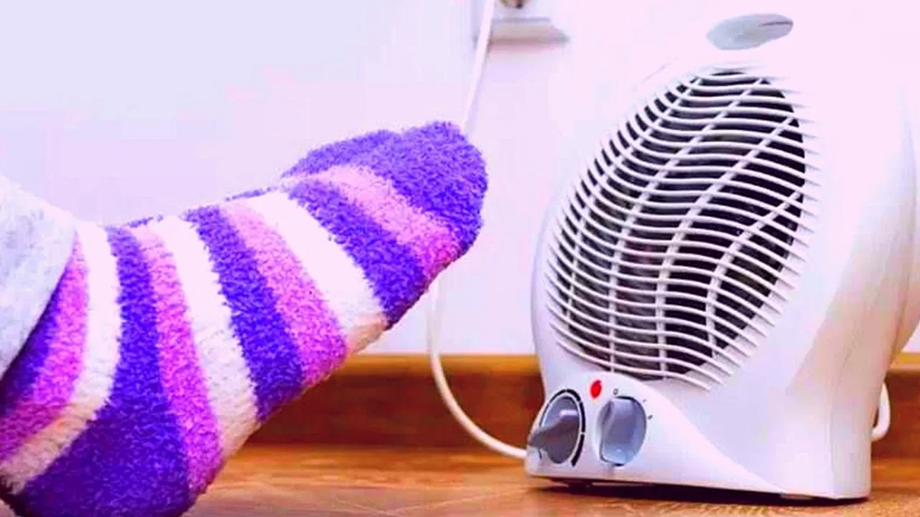
As winter approaches, people start using room heaters to keep their homes warm. While this keeps the room warm and comfortable, even the slightest carelessness can prove fatal. Yes, there are some side effects of using a room heater that should not be ignored.
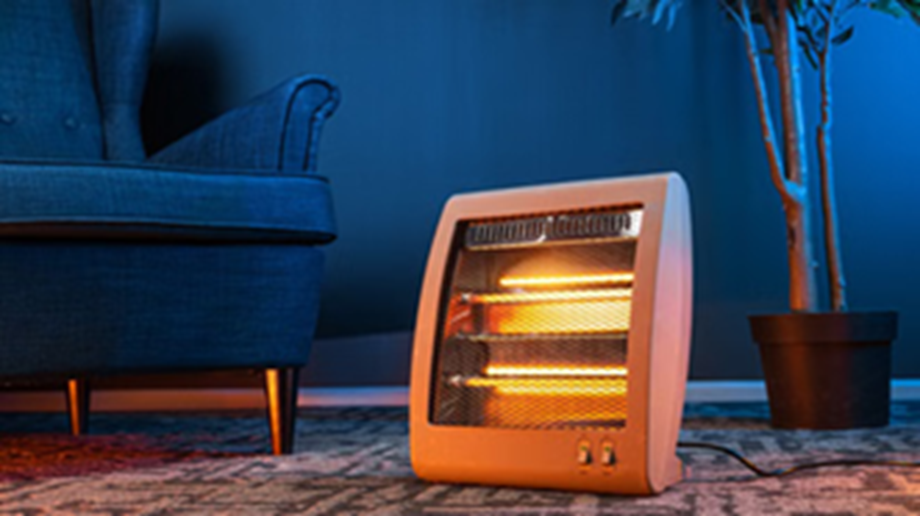
Let's learn about the problems a room heater can cause and how to safely use it so we can safely utilize it.
Side Effects of Room Heaters
Reduced Humidity - When a room heater is running, the humidity in the room drops rapidly. This leads to a dry atmosphere, which can cause problems like dry skin, eye irritation, and a sore throat. Dry air can affect the nasal membranes, aggravating allergy and asthma symptoms.
Respiratory Problems - Dry air can worsen breathing problems. For those who already suffer from asthma, bronchitis, or allergies, the hot and dry air emitted from a room heater can worsen it. This can worsen coughing, chest tightness, and shortness of breath.
Increased Dust and Allergens - When a heater is running, dust and allergens in the room remain suspended in the air for longer periods of time. Continued exposure to these substances can trigger sneezing, watery eyes, or respiratory allergies in sensitive individuals.
Carbon Monoxide Hazards - Some types of room heaters, especially gas or kerosene heaters, release carbon monoxide. This gas is colorless and odorless, but it can be fatal. High levels in a poorly ventilated room can cause headaches, dizziness, nausea, and fainting.
Fire Hazards - Improper wiring, poor-quality heaters, or placing flammable materials near a heater can increase the risk of fire. If the heater falls or overheats, it can cause serious accidents.
Keep these things in mind when using a room heater:
Keep a distance of at least 3 feet between the heater and any easily flammable object. Do not place curtains, furniture, papers, or bedding near the heater.
Place it on a flat surface: Always place the heater on a flat, sturdy, and stable surface. Placing it on a table, stool, or thick carpet increases the risk of falling or overheating.
Keep it away from water or moisture: Do not use the heater in the bathroom, kitchen, or any damp area. Contact with water can cause accidents such as shock and short circuits.
Do not leave it unattended: Always turn off the heater when leaving the room or before going to sleep. Continuous use can cause overheating and carbon monoxide.
Use proper electrical connections: Plug the heater directly into a wall socket. Avoid using extension cords or multiplugs, as these can heat the wires and increase the risk of fire.
PC Social Media