
LIFESTYLE
Vegetable Hybrid Technique: From tomatoes to bitter gourds… DRDO's method of preparing hybrid vegetables..

The vegetable hybrid technology of the Defense Research and Development Organization (DRDO) is a modern method of preparing new varieties of vegetables. This technology aims to produce vegetables with better yield, more nutrition, disease resistance, and climate tolerance. DRDO has so far developed vegetables like tomato, capsicum, cabbage, garlic, bitter gourd, and cucumber with the help of this technology.
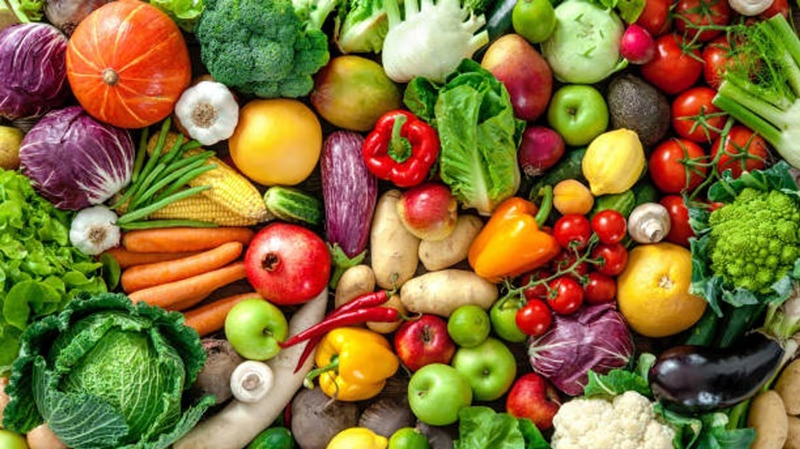
Agriculture is an important sector in India, but traditional farming methods have many problems, such as low production, the impact of climate change, the threat of pests and diseases, and water shortage. To solve these challenges, the Defense Research and Development Organization developed hybrid technology, so that farmers continue to get the benefit of more production.
What is vegetable hybrid technology?
Hybrid technology combines the properties of two different but high-quality vegetable varieties to develop a new, more productive, and more nutritious variety. It is based on the process of hybridization, in which the genes of two different plants are mixed by cross-breeding so that the new variety can have the best qualities of both plants.
What are the advantages of this technology?
High production capacity: Hybrid vegetables yield more than normal varieties.
Disease resistance: These varieties are more tolerant to diseases caused by fungi, bacteria, and viruses.
Climate tolerance: Hybrid vegetables grow better even in conditions like high heat, cold, and drought.
Better taste and nutrition: These vegetables have more vitamins, minerals, and taste.
Low cost and more profit: Farmers get production at a low cost, which increases their income.
What is this technology used for?
The Defense Research and Development Organization has used modern scientific methods like biotechnology, genetics, and plant breeding to develop its vegetable hybrid technology. The main objective of this technique is to develop new hybrid vegetable varieties according to the Indian climate and the needs of the farmers.
Development of new varieties by hybridization: Scientists select two different high-quality vegetable varieties. New hybrid varieties are prepared by combining the properties of these varieties. This process is done by natural pollination and modern breeding techniques.
Selection of disease-resistant varieties: DRDO selects vegetables with disease-resistant properties so that farmers do not have to depend more on pesticides. These varieties are strengthened by organic methods.
Development of more varieties with less water: Water scarcity is a big problem in many areas, so DRDO has developed hybrid vegetables in dry conditions. These vegetables give good yield even in less water, which benefits the farmers of water-scarce areas.
Varieties rich in better taste and nutrition: The Defense Research and Development Organization develops hybrid vegetables that are tasty and rich in nutrition. These vegetables contain high amounts of vitamins and minerals, which improve the health of common people.
Vegetables grow in every season: Hybrid technology develops vegetables that can grow well in extreme heat, cold and unseasonal rains.
How is this technology useful for common people?
It is beneficial for farmers:
More production: Hybrid vegetables give farmers 30-50 percent more production than normal crops.
Disease resistance: Less pesticides are required, which reduces costs.
Grow in any season: These vegetables are less affected by changes in the weather, which keeps production stable.
Better market price: Due to higher quality and production, farmers get better prices for their crops.


