LIFESTYLE
Water: Can water expire? Learn how long stored water lasts, the reasons for water spoilage, and tips for safekeeping...
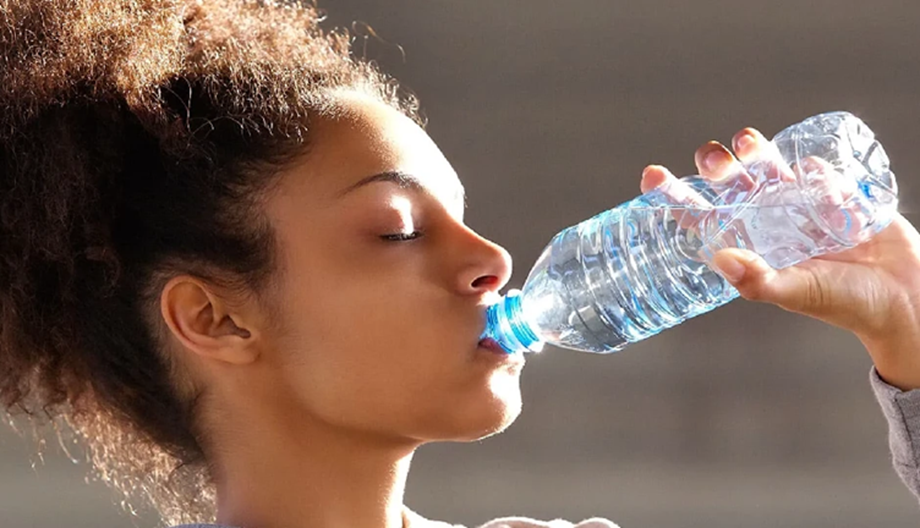
Adequate water intake is essential for staying healthy. Doctors often recommend drinking plenty of water throughout the day to ensure the body remains hydrated. Inadequate water intake can lead to problems like dehydration, fatigue, headaches, dizziness, and constipation. The question now arises: just as milk, juice, and other beverages have an expiration date, does water also have an expiration date? Let's explore this in detail.

Does water go bad?
Pure water does not go bad on its own because it is free of bacteria or impurities. Unless water is stored in a dirty container or a contaminated environment, the chances of bacteria growing in it are very low. However, if water is stored improperly, it can become unsafe to drink. In fact, the safety of water depends entirely on the container and the conditions under which it is stored.
Bottled Water Shelf Life
Most packaged water bottles have a "best before" or "expiry date." This date is usually 1-2 years. It's important to note that this shelf life is more about the safety of the bottle's plastic than the quality of the water itself. Chemicals from the plastic can leach into the water if stored for extended periods, especially if the bottles are exposed to sunlight or heat.
If bottled water is stored in a cool, dark place, it can remain safe for several months after the expiration date, although the taste may change slightly. However, it should be consumed within 2-3 days of opening the bottle, as exposure to air increases the risk of bacteria and fungi.
# Water Stored at Home
If water is stored in clean glass, stainless steel, or BPA-free plastic containers, it can remain safe for 6 months to 1 year. It's best to boil or filter tap water first to remove any impurities. Once stored, use it within 6 months. If the taste or smell of the water changes, or it appears cloudy, discard it immediately.
# Guidelines for Emergency Storage
Many people store water in case of natural disasters or power and water outages. In such situations, water should be changed every 6 months to maintain freshness and safety. Chlorine drops added to the water may preserve it for longer, but its taste may change.
# Causes of Water Spoilage
Dirty Containers – Bacteria can grow rapidly in containers that are not thoroughly cleaned.
Incorrect Environment – Water stored in heat, sunlight, or humidity can become contaminated quickly.
Open Water – Direct contact with air can cause dust and bacteria to enter the water.
# Tips for Keeping Water Safe
- Always use clean and sterilized containers.
- Store water in a cool, dark place, away from direct sunlight.
- Periodically check the smell and color of stored water.
- Purify water by filtering or boiling it before storing it.
- Write the date of storage on the bottle or container to keep an accurate record of water usage.
PC Social Media