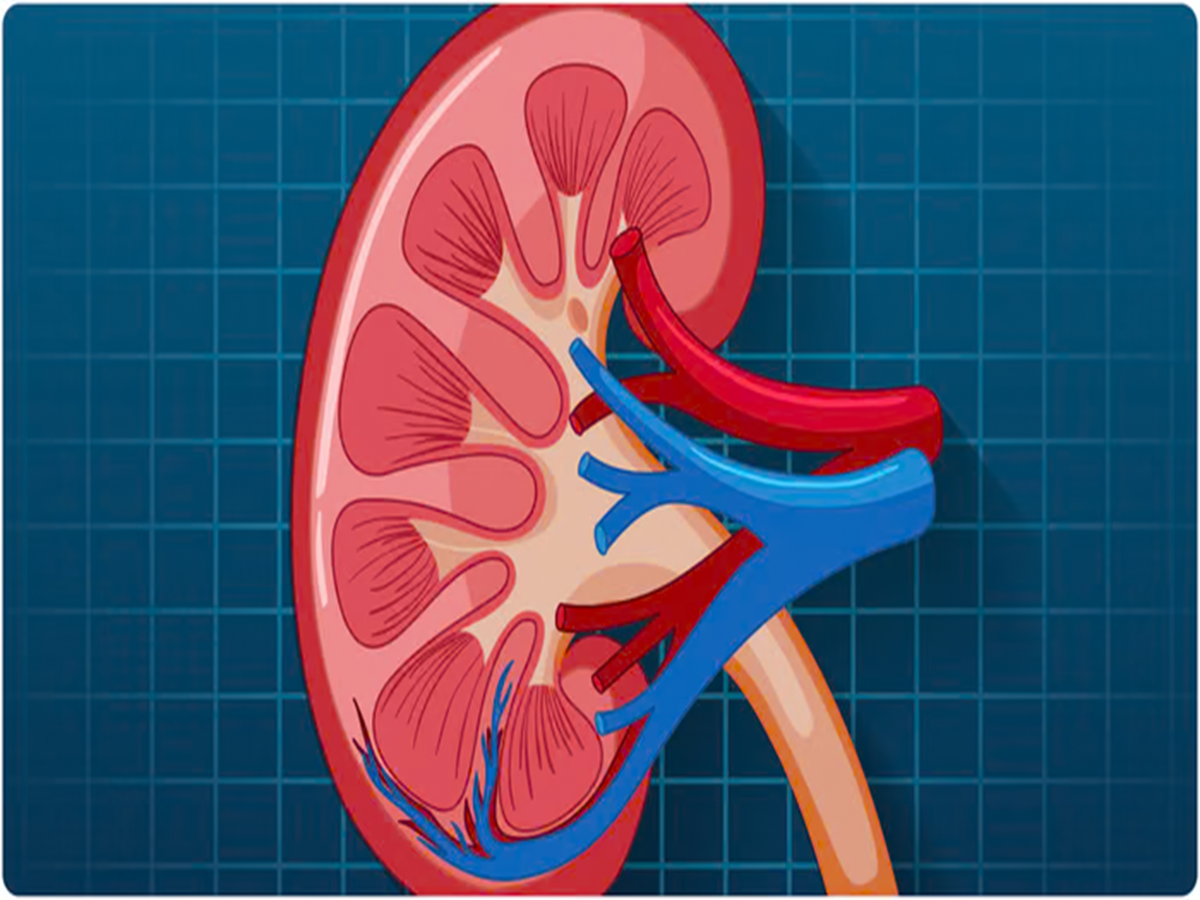
Thyroid disorders have become extremely common in modern times and are observed particularly frequently among women. This is a hormone-related condition in which the thyroid gland (located near the throat) begins to produce either an excessive amount or an insufficient amount of the hormones essential for the body's functioning. In either scenario, the body's internal balance is disrupted, leading to the onset of various complications—such as weight gain or loss, fatigue, hair loss, mood swings, and a general sense of weakness.
A major contributing factor to the rising prevalence of this issue is a poor lifestyle. An improper diet, lack of sleep, chronic stress, and a lack of physical activity are considered the primary culprits. Many people assume that medication alone is sufficient to cure a thyroid disorder; however, the reality is that, alongside medication, adopting a proper diet and making necessary lifestyle adjustments are absolutely crucial. If one's dietary habits are not appropriate, the efficacy of the medication itself may be significantly limited.
**What to Eat with a Thyroid Disorder?**
– To begin with, regarding vegetables, items such as bottle gourd (*Lauki*), ridge gourd (*Tori*), pointed gourd (*Parwal*), pumpkin, carrots, beans, and all varieties of green leafy vegetables are considered highly beneficial. These vegetables are light on the body and do not place excessive strain on the digestive system. Furthermore, they are rich in fiber and essential nutrients that help fortify the body.
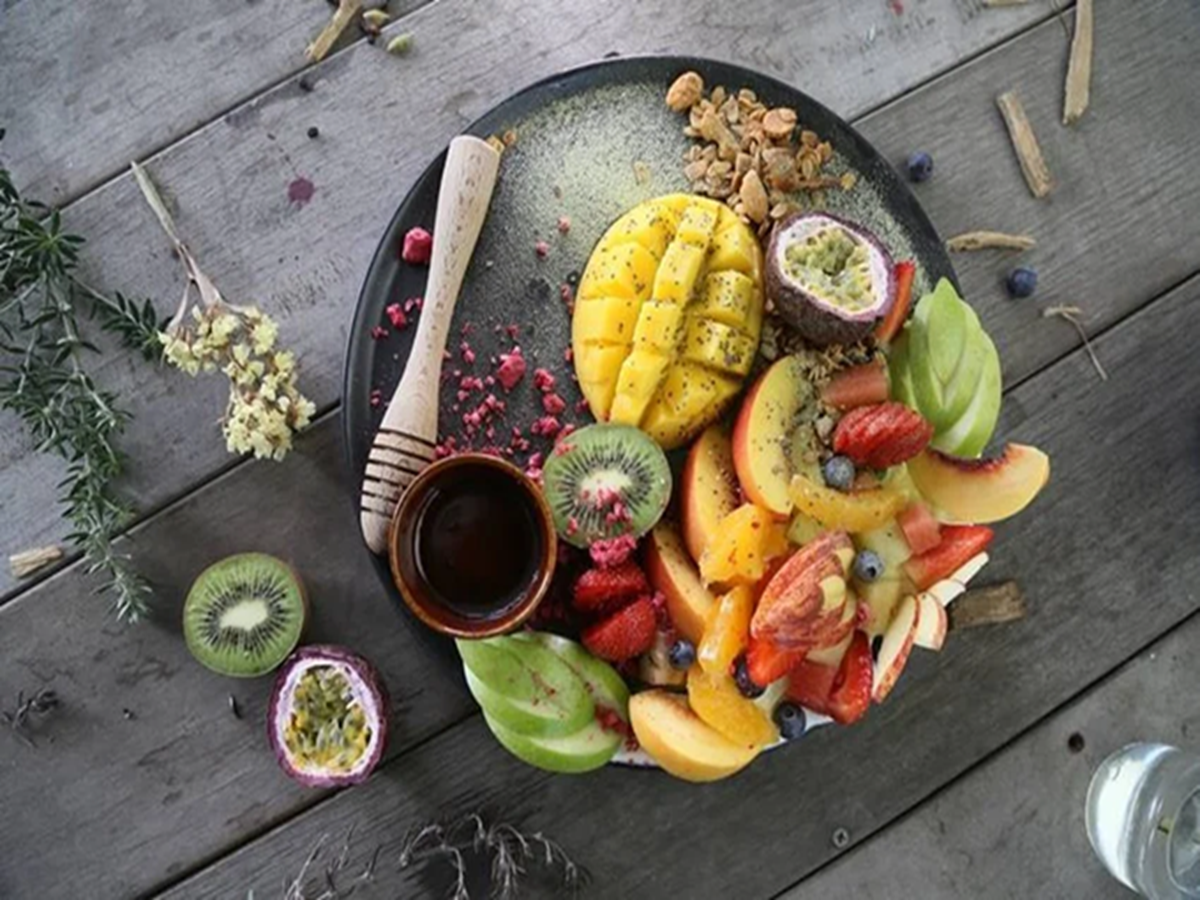
– Among fruits, pomegranates, papayas, apples, pears, and guavas are excellent choices to include in one's diet. These fruits provide the body with vital vitamins, minerals, and antioxidants, thereby strengthening the immune system and maintaining internal health.
– As for lentils (*dals*), Moong dal (green gram), Masoor dal (red lentils), and Kulthi dal (horse gram) are considered particularly beneficial. They are light and easily digestible. Additionally, they contain a good amount of protein, which is essential for maintaining muscle health and sustaining the body's energy levels.
**What to Avoid Eating with a Thyroid Disorder?**
– First and foremost, vegetables belonging to the cruciferous family—such as cauliflower, cabbage, and broccoli—should be consumed in moderation. This is because, in certain cases, these vegetables can interfere with or disrupt the delicate balance of thyroid hormones. Similarly, soybeans and soy products can exacerbate issues for some individuals; therefore, it is advisable to limit their consumption.
– Regarding fruits, bananas, mangoes, sapodillas (chikoo), and grapes should not be consumed in excessive quantities. These fruits can be high in sugar and calories, which may negatively impact weight management and hormonal balance. As for cooking oils, oil that has been reheated multiple times is considered highly detrimental.
– Furthermore, the excessive use of peanut oil and refined oils is also not considered beneficial for the body. These oils can contribute to increased inflammation and other health issues within the body. Patients with thyroid conditions should use clarified butter (desi ghee), coconut oil, and mustard oil in limited quantities.

– Among legumes, one should also avoid excessive consumption of kidney beans (rajma), chickpeas (chhole), and soy chunks, as these are heavy and take a considerable amount of time to digest, which can cause discomfort for individuals suffering from thyroid disorders.
PC Social Media