
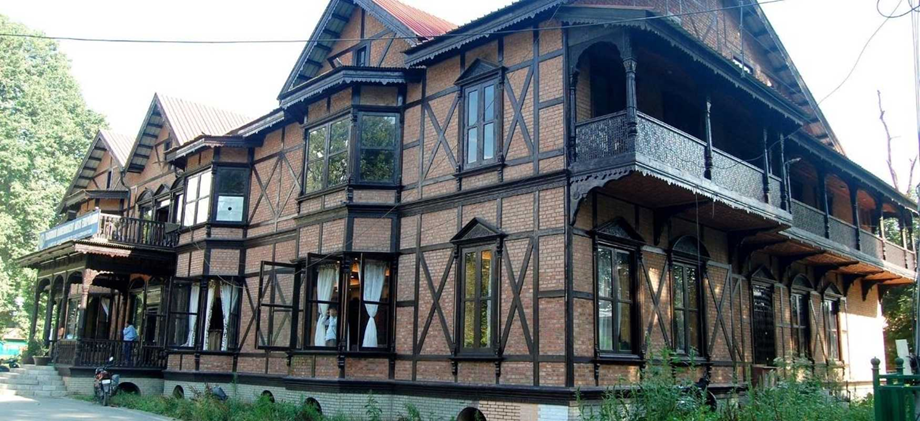
Earthquakes are natural calamities that can bring down even the strongest buildings in the blink of an eye. But did you know that buildings built hundreds of years ago in Kashmir still stand today, and are almost unaffected by earthquakes? This is no miracle, but a testament to Kashmir's traditional Earthquake-Resistant Architecture, developed with great skill and ingenuity by local artisans.
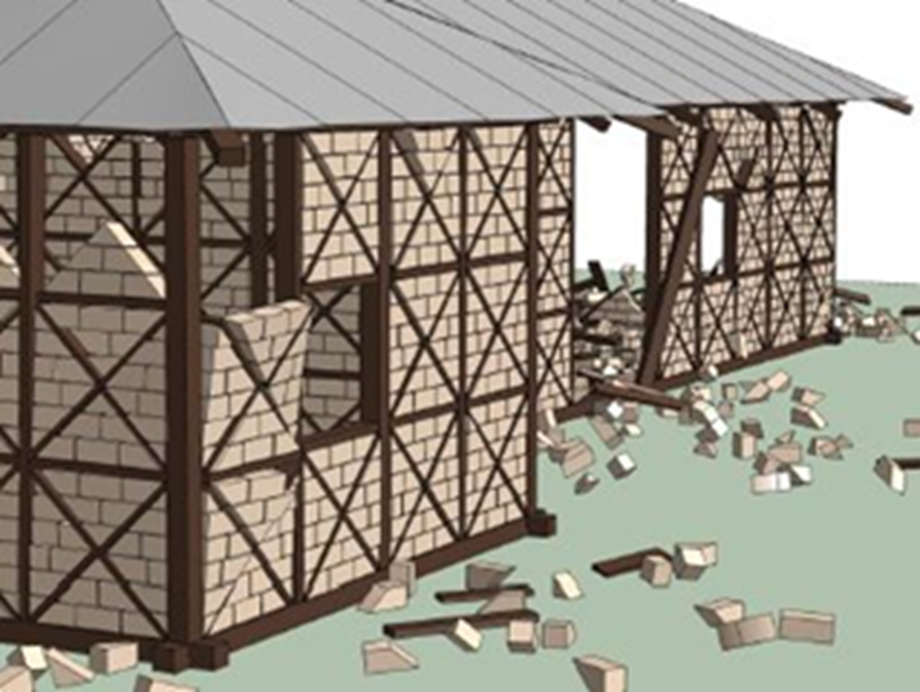
Kashmir's 'Tak' Technique
Old buildings in Kashmir used a technique called 'Tak'. Tak refers to the windows and spaces between brick pillars. In this construction style, walls and floors were connected with layers of wood. This layer of wood kept the entire building balanced during an earthquake, allowing the walls to flex and absorb the tremors instead of collapsing.
The Wonder of Cedar Wood
The most significant feature of Kashmiri homes was cedar wood. This wood is not only strong but also less likely to shrink or crack over time. It's worth noting that this wood was used in the walls, beams, and even the roof of the house. The walls were plastered on the outside, but the entire structure inside rested on wood. This is why buildings sway like trees during an earthquake and then spring back into place.
A Measure of Kashmiri Status
In Kashmir, the balustrade technique was not only a symbol of strength but also a mark of social prestige. The more balustrades (doors and windows), the larger the house and the higher its status. The famous Jalali House in Srinagar is a prime example of this, with 12 balustrades. This house still stands today thanks to this technique.
Dhajji Deewari and Keeter Cribbage
In addition to balustrades, Kashmiri artisans used two other techniques: dhajji deewari and keeter cribbage. In dhajji deewari, wood and bricks were strung together in a lattice-like manner, making the walls lightweight yet strong. Meanwhile, the Kiter Cribbage technique was used to make large buildings durable. All these styles had one thing in common: the judicious use of wood.
Houses with slats and tattered walls withstood the earthquake.
The massive earthquake in Kashmir in 2005 claimed thousands of lives and caused many modern steel-concrete buildings to collapse. Surprisingly, houses built with slats and tattered walls remained virtually unscathed. This proves how relevant this age-old technique remains.
This architecture has survived earthquakes for centuries.
If you look at the Khanqah-e-Maula in Srinagar or other old mosques, you'll find their roofs are pagoda-style—multi-story, high, and conical. These buildings sway during an earthquake, but don't collapse. This is the greatest strength of traditional architecture.
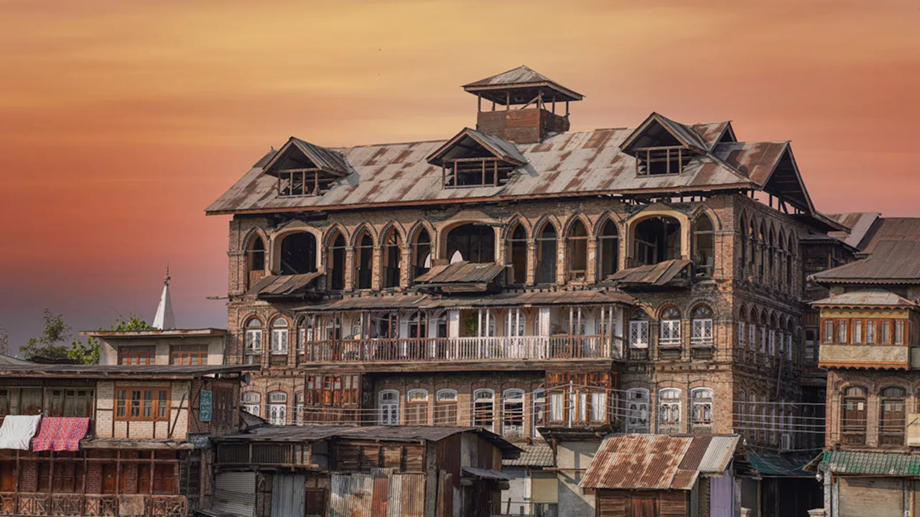
A Unique Gift of Indian Artisans
These buildings in Kashmir are not only examples of architectural excellence but also a testament to the foresight and skill of Indian artisans. At a time when modern construction styles are repeatedly failing in earthquakes, this centuries-old technique from Kashmir offers a new path to sustainable and safe architecture.
PC Social media